It’s a maintenance manager’s worst nightmare: an incident occurs, whether it’s a breakdown, a safety failure, or a compliance breach. Investigators arrive, or maybe it’s just your boss asking tough questions. The first thing they demand is proof: “Show me the inspection record for this machine.”
You know the check was completed and you trust your team. However, when you search for the paperwork, you find it’s missing, illegible, or incomplete. Suddenly, you’re in a battle where your word is pitted against insufficient evidence, and it’s a struggle you can’t win.
The Real-World Impact of Missing Evidence
This scenario highlights a critical gap in many maintenance operations: the difference between doing the work and proving the work. "We can’t prove an inspection happened if an incident occurs" is not just an administrative headache; it is a liability. Without robust inspection evidence tracking, your organisation is exposed to unnecessary risk, legal complications, and reputational damage. In regulated industries, a lack of proper documentation can even result in fines or loss of certification.
The "Tick-Box" Trap
The traditional approach to inspections often relies on a simple tick-box mentality. A technician walks around with a clipboard, ticks 'OK' next to a list of items, and scribbles a signature. While this might satisfy a basic requirement, it provides zero context and almost no verifiable evidence.
If a belt snaps two days later, that tick in the 'OK' box looks suspicious. Did they actually check the belt tension? Did they inspect for wear? Or did they just tick the box to get the job done quickly?
Paper records and basic spreadsheets fail to capture the nuance of reality. They lack the digital footprint required to prove due diligence.
What Does Strong Inspection Evidence Tracking Look Like?
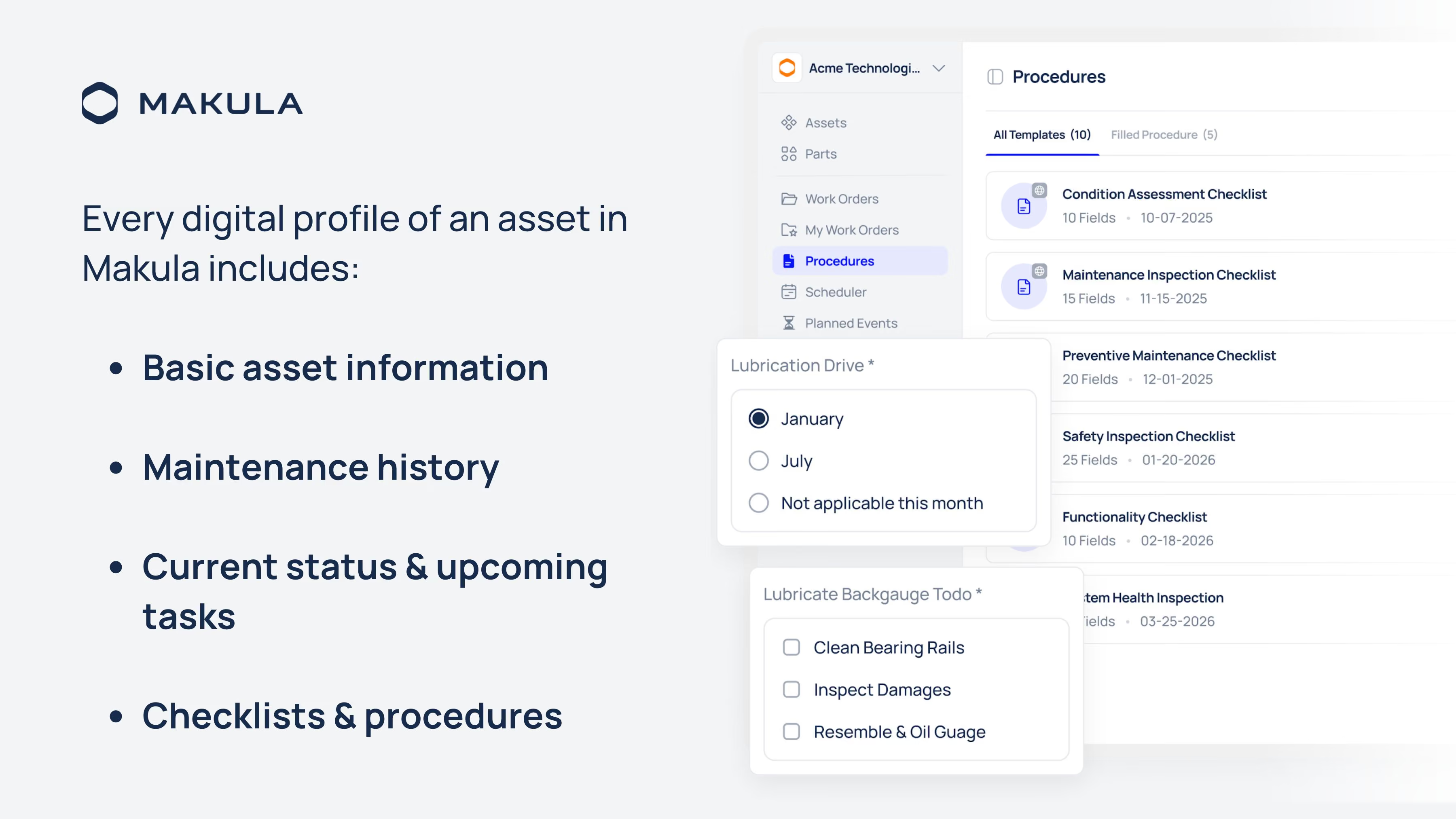
Moving beyond the tick-box means adopting a system that captures undeniable proof of presence and condition. Modern maintenance isn't just about fixing things; it is about data integrity. Inspection evidence tracking provides a digital audit trail that stands up to scrutiny, ensures compliance, and builds confidence at every level of the business.
Consider the difference in evidentiary weight between these two methods:
Building a Culture of Accountability
Implementing better tracking isn't about policing your technicians; it is about protecting them. When an incident occurs, solid evidence exonerates your team. It proves that they did their job correctly and that the failure was genuinely unforeseen, rather than a result of negligence.
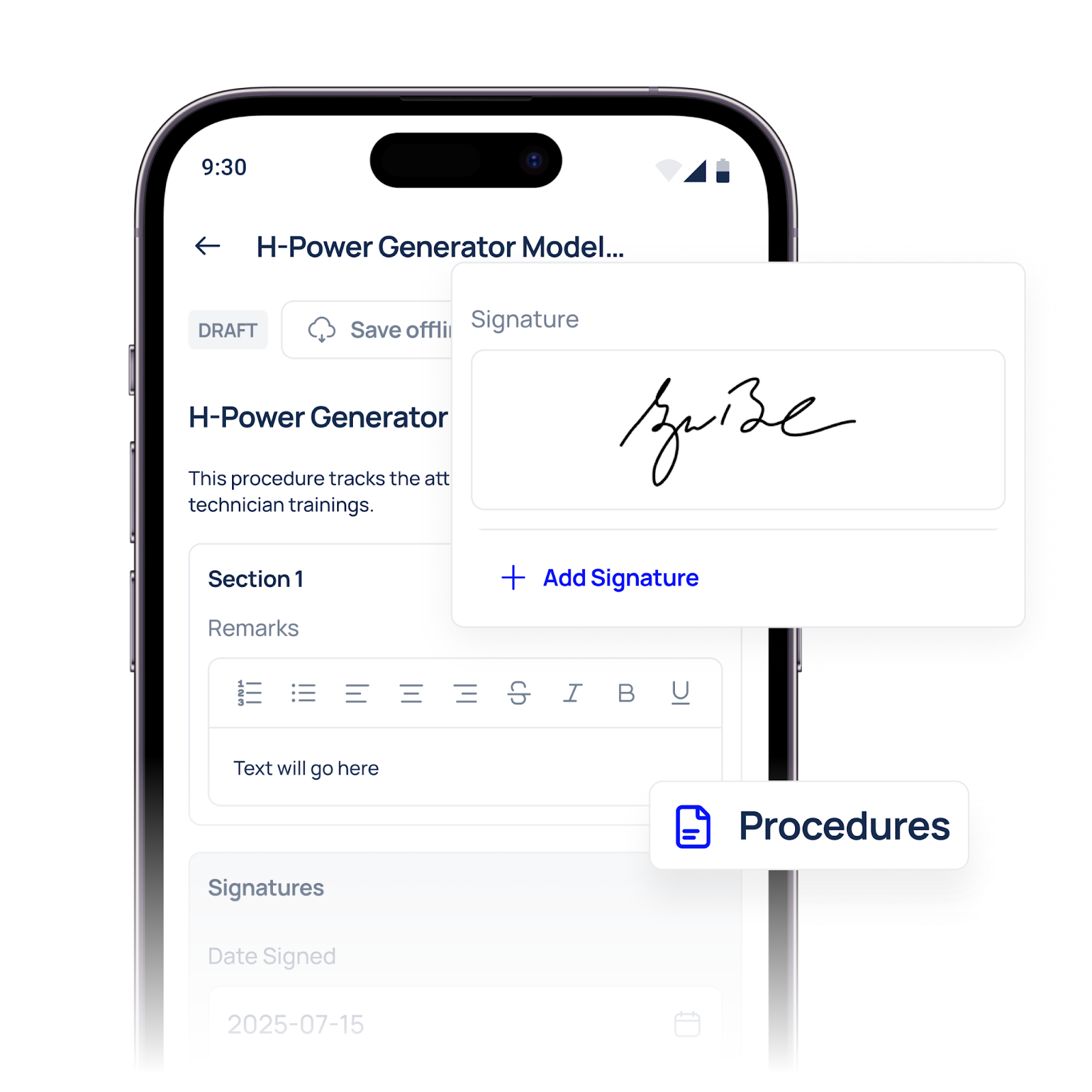
A robust system forces a higher standard of care. If a technician knows they must attach photo evidence to close digitally tracked work orders, they are far more likely to check that gauge properly. This subtle shift in process leads to a significant increase in inspection quality.
Real evidence transforms your maintenance log from a dusty archive into a powerful asset. It turns "I think we checked that" into "Here is the photo, timestamp, and technician ID from the inspection at 09:15 AM on Tuesday."
The Hidden Benefits of Digital Inspection Evidence
When you move inspection evidence tracking onto a digital platform, you gain visibility across your entire operation. Automated reminders help ensure no checks are missed, while real-time dashboards highlight trends, so issues can be spotted before they escalate. Data is securely stored, searchable, and ready for audits — giving you a complete inspection history for every asset in seconds.
You are not just shielding your business from risk; you are creating opportunities to improve processes, respond faster to incidents, and build a culture of transparency.
Don't Wait for the Incident
The cost of implementing a system for tracking inspection evidence is minimal compared to the potential expense of a single compliance fine or lawsuit in which you cannot provide the required records.
If you are still relying on trust and paper documentation, you are taking a significant risk without a safety net.
It’s time to secure your operations with reliable proof that will hold up when it matters most.