
Walk into almost any maintenance workshop, and you will likely find it: a stack of clipboards, an overflowing filing cabinet with binders, or a desktop folder cluttered with PDF reports. This is where inspection records live on paper, vulnerable to coffee stains, getting misplaced, or simply being forgotten. In many cases, technicians admit to spending far too much time searching through paperwork just to verify if an inspection was done, or worse, to prove it was ever done at all.
Why Relying on Paper is a Risk
This reliance on physical documents is a huge operational risk. When "inspections live in paper or PDFs and get lost," you lose more than just a piece of paper; you lose accountability, visibility, and control over your asset health. Auditors can struggle to find evidence of compliance, and months’ worth of maintenance insight can simply vanish with a misplaced file. In an era where every other part of business is going digital, how long can maintenance afford to stay stuck in the past instead of adopting a digital CMMS platform?
The Cracks in the Paper Trail
Using paper checklists for maintenance inspections feels traditional and straightforward. A technician ticks a few boxes, signs their name, and the job is done. But this simplicity is deceptive. The moment that piece of paper is filed away, its value plummets. If a repeat issue crops up, managers often find themselves thumbing through old binders or clicking endlessly through digital folders of scanned PDFs to track patterns, a tedious and error-prone process.
The data becomes static, difficult to analyse, and almost impossible to track over time. You cannot quickly see how many times a specific fault was reported or how long inspections are truly taking. When there’s an incident to investigate, finding the relevant inspection can turn into a time-consuming ordeal. This is where paper-based systems begin to fail.
Comparing Paper vs. Digital Inspection Checklists
Compare the old way with a modern approach:
Beyond the Clipboard: Unleashing the Power of Digital
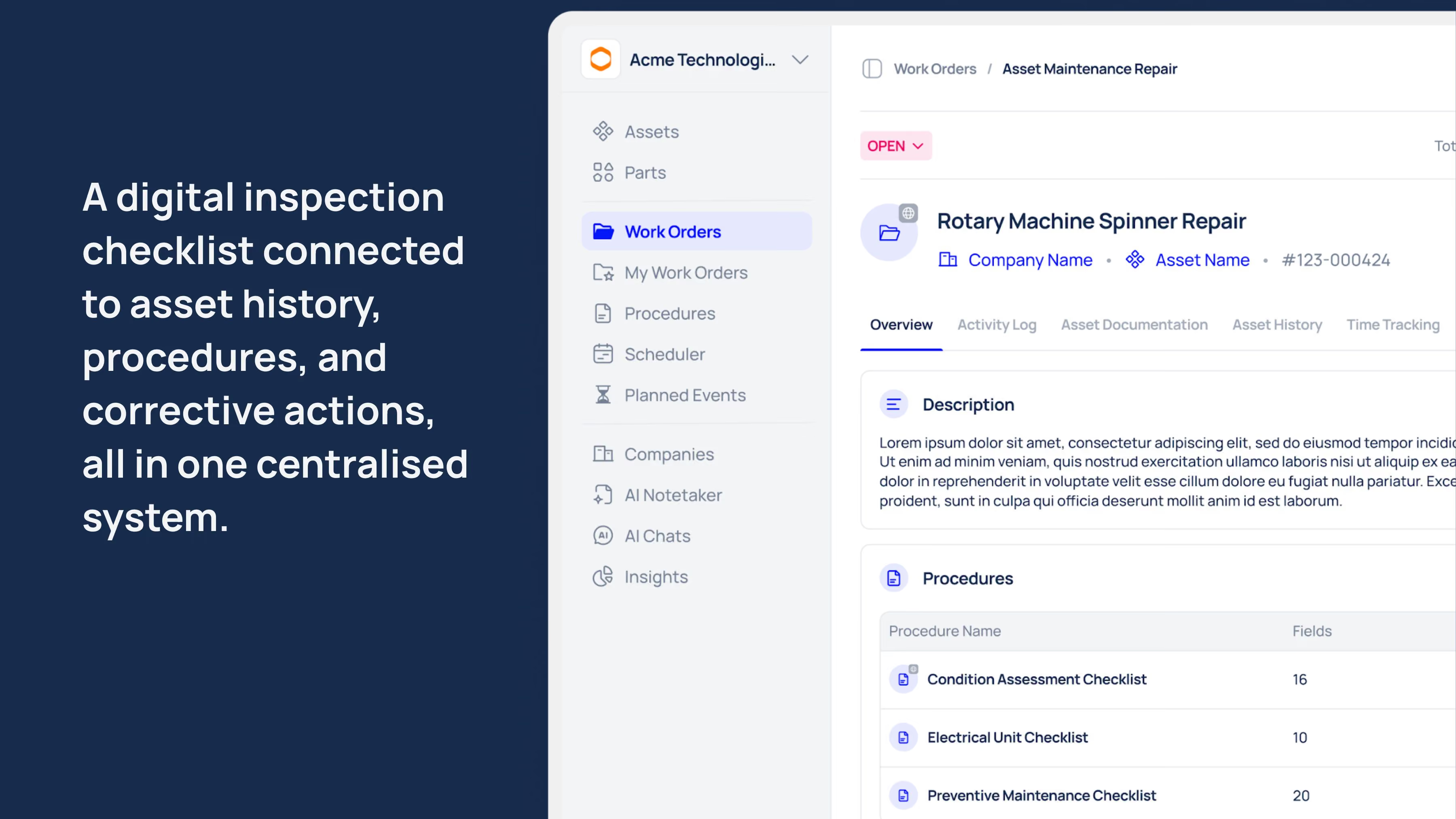
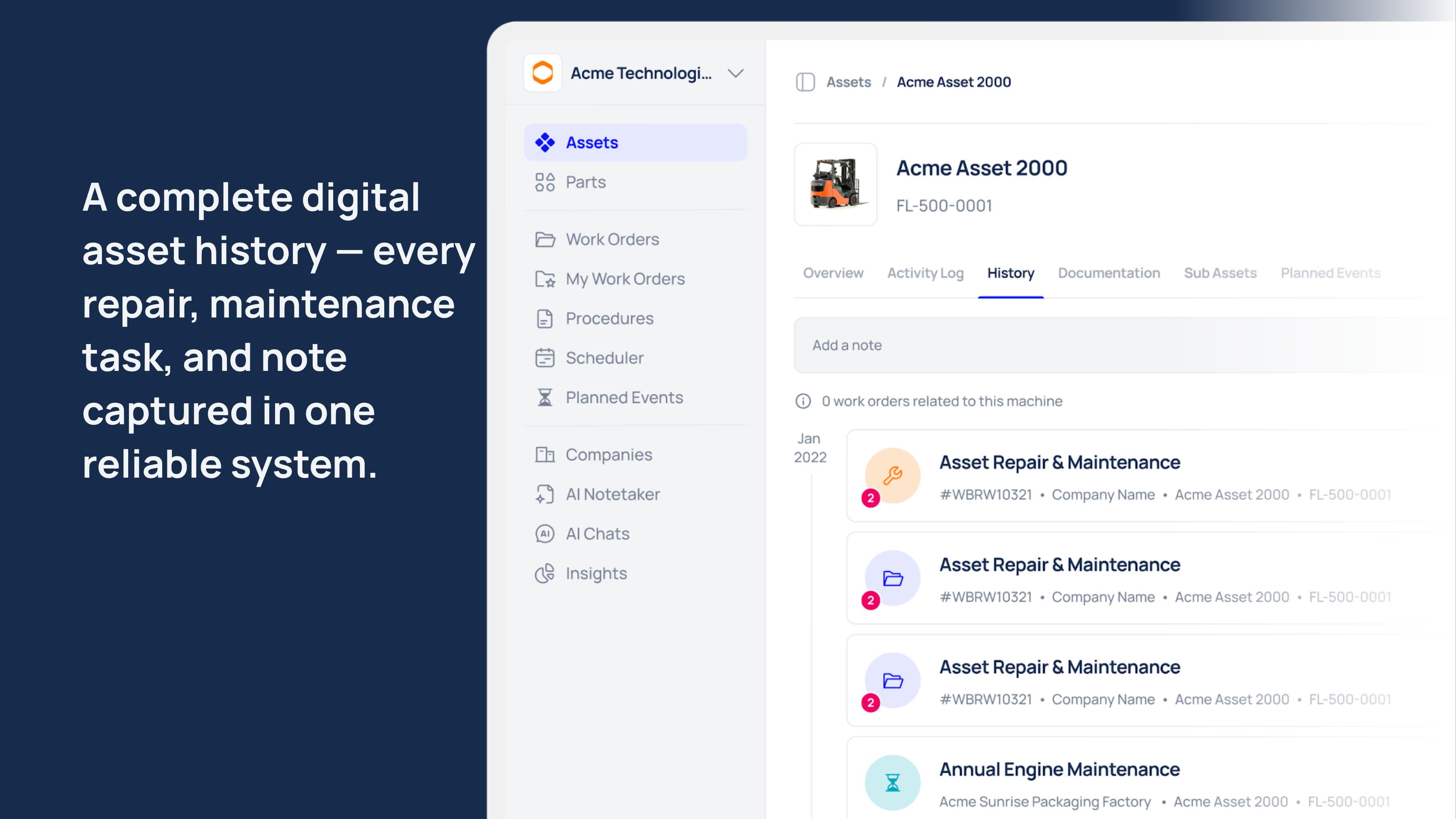
A digital inspection checklist transforms a simple task into a powerful data collection tool. Instead of just being a record that an inspection happened, it becomes a source of actionable insight. Managers can review inspection histories at a glance, access the complete asset history, spot recurring issues proactively, and assign corrective actions immediately.
Real-Time Benefits for Teams
Imagine a technician completes an inspection on their phone or tablet. The moment they hit 'complete', the data is synced and, in some cases, even triggers automated corrective work orders for follow-up actions the moment an issue is reported. The maintenance manager can see that the job is done, any reported issues are automatically flagged, and the asset’s history is updated. There is no delay, no risk of the paperwork getting lost on the way back to the office, and no need to manually enter data into a spreadsheet. Even remote teams benefit, as everyone has access to up-to-date information, no matter their location.
The Single Source of Truth
This is the core benefit of a digital inspection checklist: it creates a single source of truth. Every inspection, every fault, and every signature is captured in a secure cloud-based maintenance system, creating a clear and auditable trail. This eliminates the "he said, she said" arguments and provides a clear, auditable trail of all maintenance activities. It also makes compliance effortless, as you can instantly retrieve inspection evidence for any regulator or auditor.
Making the Switch Without the Headaches
Moving from paper to digital can feel like a daunting task, but it doesn't have to be. The goal isn't just to replicate your paper forms on a screen. It is to streamline the entire process, making work easier for your technicians and providing better data for your managers. Modern systems can convert your existing checklists and even integrate with asset registers, so you maintain continuity while taking a big step forward.
The Benefits of Going Digital
By transitioning to a digital inspection checklist, you are not just clearing out your filing cabinets. You are building a more resilient, efficient, and data-driven maintenance operation. Inspections are completed faster, issues are addressed sooner, and the overall quality of maintenance improves. You stop reacting to lost paperwork and start proactively managing your assets with information you can trust.
Time for a Change?
Is your team still drowning in a sea of paper? It might be time to find a lifeboat and give your inspections the digital edge they deserve.