It starts with a buzz in your pocket. A quick WhatsApp message from a tenant: "Heating's gone funny." Ten minutes later, a sticky note lands on your desk: "Reception door sticking again." By lunch, you’ve had three phone calls about a leaky tap in the third-floor kitchen.
Sound familiar?
For many maintenance teams, this is just a standard Tuesday. But when maintenance work requests arrive through five different channels, keeping track of who did what and when becomes a full-time job in itself. You aren't just fixing buildings; you're fighting a constant battle against lost information.
The Hidden Cost of Disorganised Requests
When jobs come in from everywhere, things inevitably slip through the cracks. That sticky note might get buried under an invoice. The WhatsApp message gets pushed down by a group chat about lunch. The phone call? Unless you write it down immediately, it’s gone.
This disjointed approach creates three major headaches:
- Lack of Accountability: If a job isn't logged centrally, it’s hard to know if it has been assigned. Did Dave fix the tap, or did he think Sarah was doing it? Without a single source of truth, "I thought you were handling it" becomes the team motto.
- Unhappy Stakeholders: Whether it’s a tenant, a colleague, or a client, people want to know their request has been heard. When you rely on memory or scattered notes, you can’t easily provide updates. Silence breeds frustration.
No Data for Improvement: How many maintenance work requests did you handle last month? Which assets are breaking down most often? If your data lives on Post-it notes and in WhatsApp history, you simply cannot answer these questions. You can’t improve what you can’t measure.
Bringing Order to the Chaos
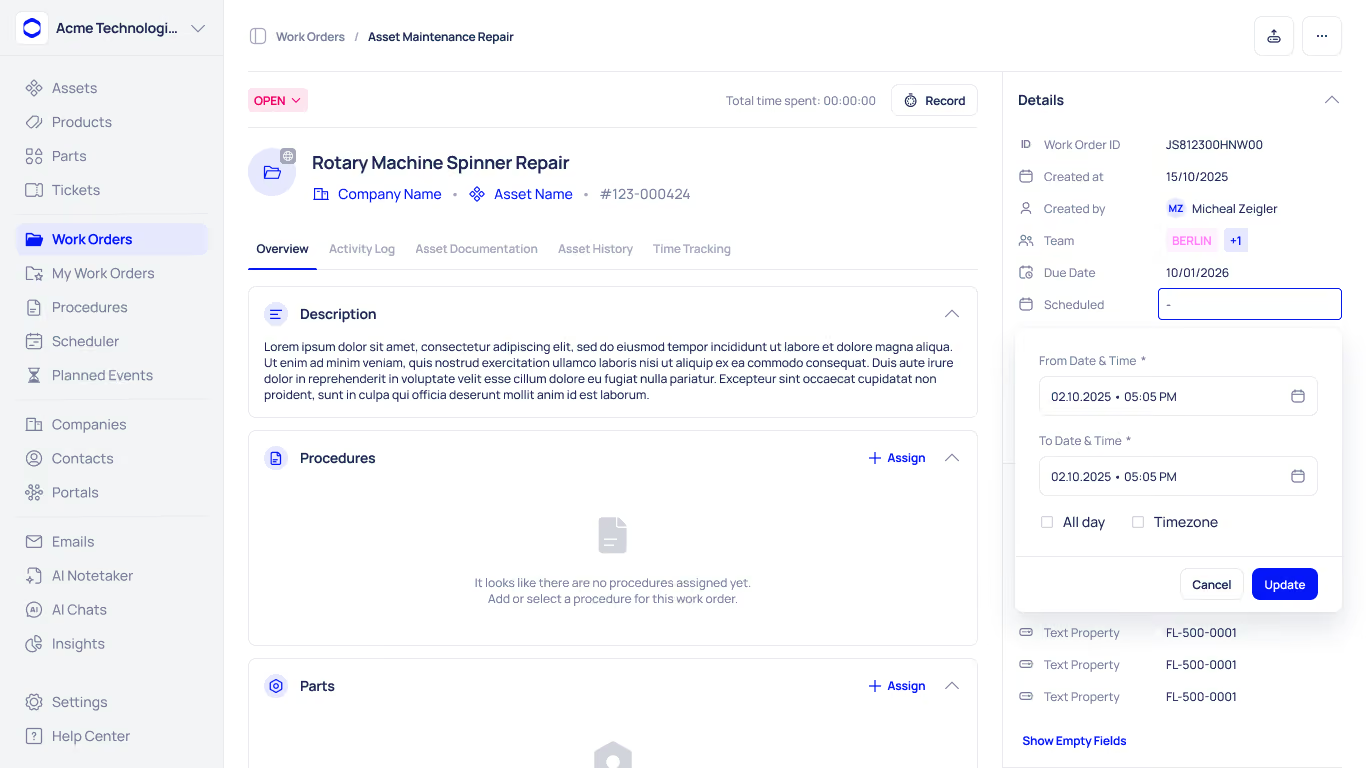
The solution isn't necessarily to ban WhatsApp or hide the sticky notes immediately (though that helps). The first step is establishing a central "intake" process.
Think of it as a funnel. Regardless of how the request arrives, it must end up in one central bucket. This might be a shared spreadsheet initially, or dedicated maintenance software as you grow. The goal is to transform a chaotic stream of noise into a structured list of tasks.
When you standardise how you capture maintenance work requests, the panic subsides. You move from reactive fire-fighting to proactive management. You know exactly what is outstanding, who is working on what, and which jobs are a priority.
Ready to Organise Your Workflow?
Stopping the flood of sticky notes is easier than you think. You just need a robust process for capturing jobs the moment they arrive.
To help you get started, we’ve put together a simple guide to standardising your intake process.