Upgrading your maintenance operations should feel like a massive victory for your facility, yet many managers actively dread the transition. You invest significant budget and political capital into new digital tools, expecting instant efficiency and streamlined operations. Instead, you often encounter extreme setup complexity, frustrated technicians, and a platform that nobody actually wants to use.
When a technology upgrade falls flat, the failure rarely stems from the code itself. The real culprit is the implementation process. Throwing a complex system at a busy maintenance team without a clear, structured plan is a guaranteed recipe for poor adoption. Your team needs a system that makes their daily jobs easier, not a confusing platform that adds administrative bloat to their already packed schedules.
You can completely avoid these implementation risks by taking a systematic approach to your rollout. This guide explores exactly why work order software deployments fail and demonstrates how prioritising structured workflows, tailored configuration, and proper onboarding ensures a seamless, highly successful transition.
See How to Roll Out Maintenance Software Without Disrupting Your Team
Learn how manufacturers successfully implement maintenance software with high technician adoption, simplified workflows, and minimal operational disruption. See Makula’s structured rollout framework in action and discover how to avoid the common mistakes that cause implementation failures.

The High Cost of Setup Complexity
Implementing new technology requires careful orchestration. When leaders treat software deployment as a simple "plug and play" exercise, they severely underestimate the operational friction it causes.
Poor adoption begins the moment technicians feel overwhelmed. If your new system requires workers to navigate through five different screens just to log a simple part replacement, they will simply revert to their old habits. They will write notes on scraps of paper or send text messages to their supervisors, completely undermining your investment. Setup complexity actively alienates the very people the software is supposed to help.
Furthermore, a disorganised rollout disrupts your current maintenance schedule. If supervisors spend weeks trying to figure out how to assign tasks within a confusing interface, preventative maintenance gets entirely ignored. This operational limbo creates massive risks for your machinery and destroys any excitement your team originally had for the new platform.
The Solution: A Structured Rollout Mechanism
To guarantee success, you must eliminate the fear and friction associated with switching systems. A structured rollout mechanism breaks the implementation process down into manageable, highly intentional phases. By focusing on workflows, configuration, and onboarding, you ensure that your work order software becomes an indispensable tool from day one.
1. Mapping and Digitising Real-World Workflows
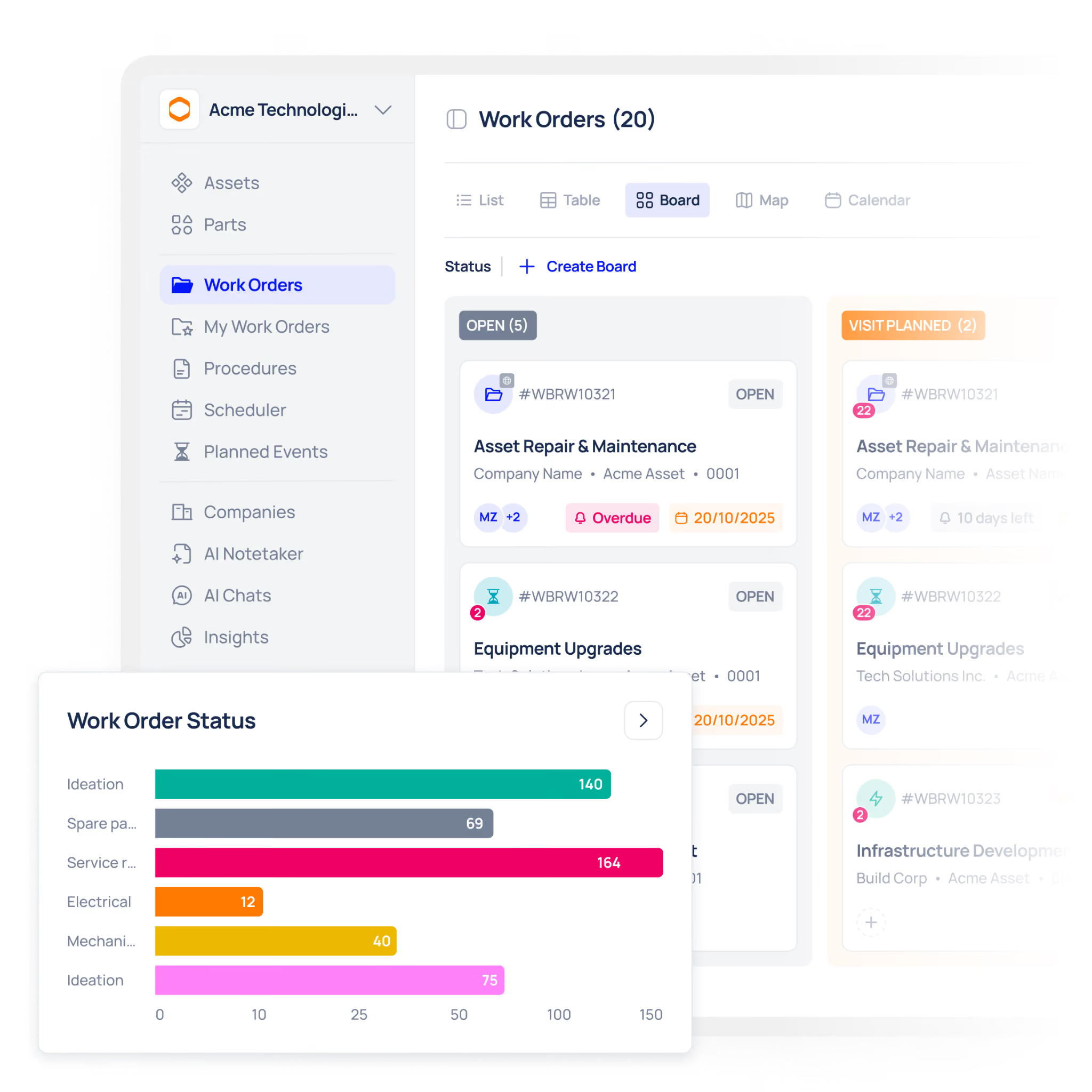
Many implementations fail because managers try to force their team to adapt to the software, rather than adapting the software to the team. If your digital system ignores the physical realities of your factory floor, it will never succeed.
Before anyone logs into the new platform, you must map out your exact operational workflows. Understand exactly how a machine operator reports a fault, who needs to approve a spare part purchase, and how safety compliance checks are currently handled. A successful deployment takes these existing, proven physical workflows and translates them directly into the digital space. This familiarity ensures your technicians instantly understand the logic of the new system, driving rapid adoption.
2. Tailored Configuration and Simplification
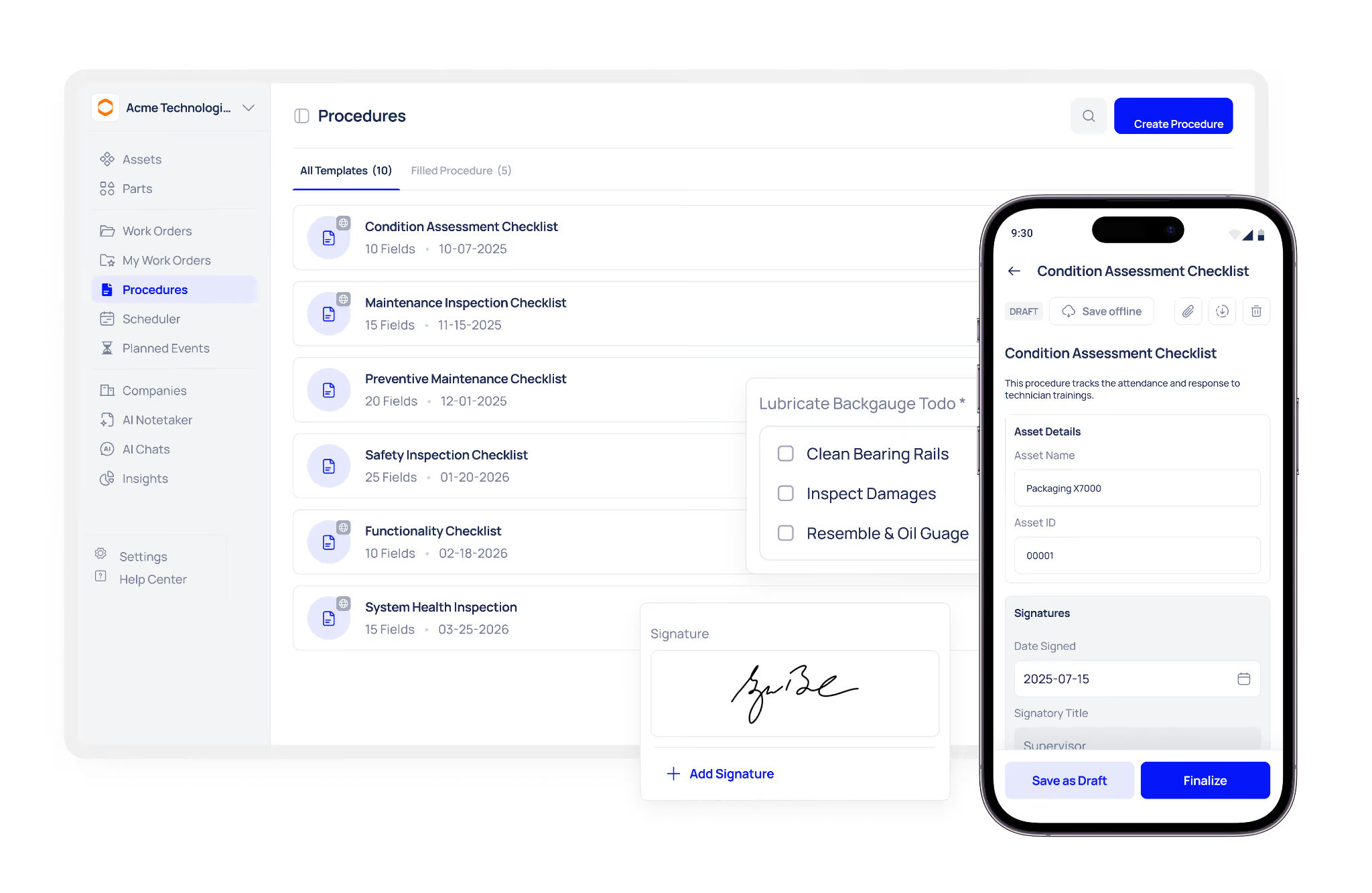
Off-the-shelf configurations rarely work for industrial maintenance. Every facility has unique naming conventions, specific asset hierarchies, and distinct safety protocols.
To avoid setup complexity, your work order software must be carefully configured before the wider team gains access. This involves stripping away any unnecessary features or modules that your team does not need. If your technicians only need to see their daily task list and a digital sign-off button, configure their mobile interface to show exactly those two elements and nothing else. Tailored configuration keeps the interface clean, intuitive, and incredibly easy to navigate.
3. Comprehensive and Phased Onboarding
Handing a technician a login code and expecting them to figure out the rest is a primary cause of implementation failure. Proper onboarding requires a phased, supportive approach.
Start by training a small group of highly respected technicians to act as internal champions. Once they understand and advocate for the system, roll the software out to the rest of the team. Conduct hands-on training sessions using real-world scenarios, such as logging a mock breakdown or completing a preventative maintenance checklist. When your team feels confident and supported during the learning phase, adoption rates naturally skyrocket.
Comparing Implementation Strategies
Understanding the stark difference between a chaotic deployment and a structured rollout helps clarify exactly why a planned approach is necessary. Use this table to compare the two methods.
Frequently Asked Questions (FAQs)
How long should a software implementation take?
The timeline depends on the size of your facility, but a structured approach drastically reduces the timeframe. By mapping workflows and configuring the system beforehand, the actual deployment to your team can often be completed in just a few days, ensuring minimal disruption to your operations.
What if my technicians are not highly skilled with technology?
This is exactly why tailored configuration is vital. By stripping away complex features and creating a simplified mobile interface, you ensure the software is as easy to use as a standard smartphone application. Proper onboarding builds confidence, regardless of technical background.
Can we run our old system alongside the new one during the transition?
While it seems safer, running dual systems usually causes severe confusion and data duplication. A structured rollout focuses on a clean, decisive cutover point, ensuring everyone moves to the new platform simultaneously with total support.
Secure a Seamless Transition
You do not have to let the fear of switching hold your maintenance operations back. When you understand the risks of poor adoption and setup complexity, you can actively engineer your deployment to avoid them entirely.
Transitioning to a digital workflow does not have to be a painful, drawn-out ordeal. By mapping your specific workflows, configuring the platform to suit your unique needs, and providing comprehensive onboarding, you empower your team to succeed from the very first login.
Want to see exactly how simple this transition can be? We can show you our fast deployment framework and structured setup process in action. See how Makula guarantees high adoption rates by aligning directly with your existing operations, removing all the traditional risks of upgrading your systems.
Stop worrying about implementation failure. Book a demo today and experience a seamless digital transformation.