Imagine this: your warehouse team is searching for a critical piece of equipment. Instead of scanning a code and pulling up the information instantly, they're flipping through spreadsheets, checking notepads, or walking the floor trying to locate it. Every minute wasted on manual asset lookups adds up, slowing operations, increasing errors, and frustrating your staff.
Mobile asset scanning transforms this process. With barcode or QR scanning technology, teams can instantly access asset data, verify locations, and update records in real time. Yet many organisations still rely on outdated manual methods. Let's explore why this matters and how adopting scanning technology can revolutionise your asset management.
The Hidden Costs of Manual Asset Lookups
When you don't have barcode or QR scanning in place, every asset lookup becomes a time-consuming task. Manual searches require employees to hunt through physical logs, databases, or ask colleagues for information. This approach creates several problems:
- Wasted Time: Staff spend valuable minutes (or hours) locating assets instead of focusing on core tasks.
- Human Error: Manual data entry and lookups increase the risk of mistakes, leading to inaccurate records and misplaced items.
- Reduced Productivity: The longer it takes to find equipment, the slower your operations become.
Research has shown that businesses moving to computerised asset management systems see significant improvements. According to a survey by A.T. Kearney, organisations implementing these systems experienced a 20.1% decrease in equipment downtime, with payback on investment achieved in just under 15 months.
How Mobile Asset Scanning Solves the Problem
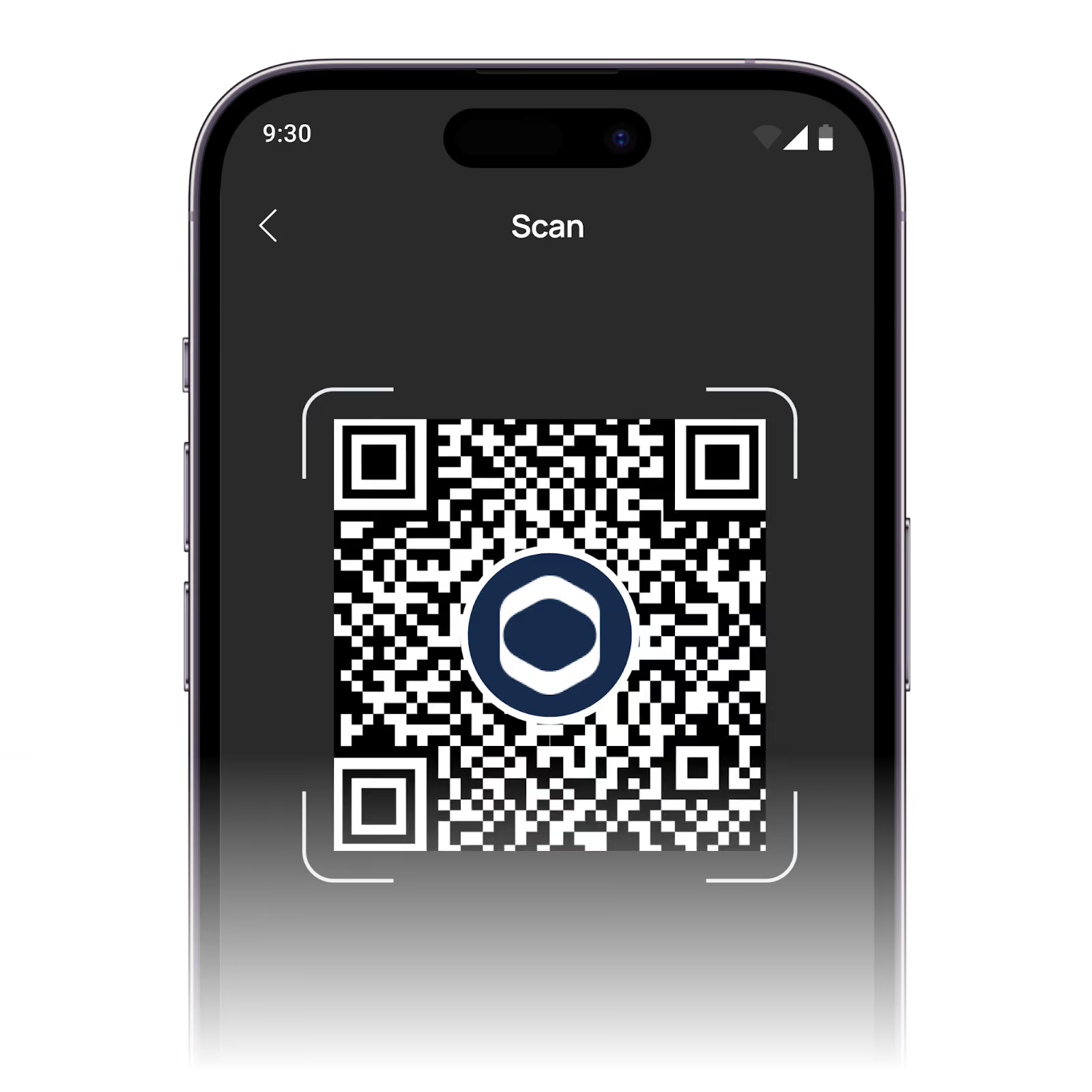
Mobile asset scanning using barcodes or QR codes automates the asset lookup process. Instead of manual searches, employees simply scan a code with a smartphone or handheld device to access comprehensive asset information instantly.
Here's what scanning technology delivers:
Solutions like Makula make it simple to implement mobile asset scanning across your organisation. By attaching QR codes to equipment and using a mobile app, your team can track assets accurately and efficiently, with no more manual guesswork.
Why QR Codes Outperform Traditional Methods
QR codes offer distinct advantages over manual tracking and even traditional barcodes. Unlike one-dimensional barcodes, QR codes can store extensive information, including asset IDs, purchase dates, maintenance schedules, and location data. This versatility makes them ideal for complex asset management scenarios.
For example, a facilities team managing equipment across multiple sites can use QR codes to instantly verify which items are due for servicing, where they're currently located, and who last used them. This level of detail simply isn't feasible with manual record-keeping.
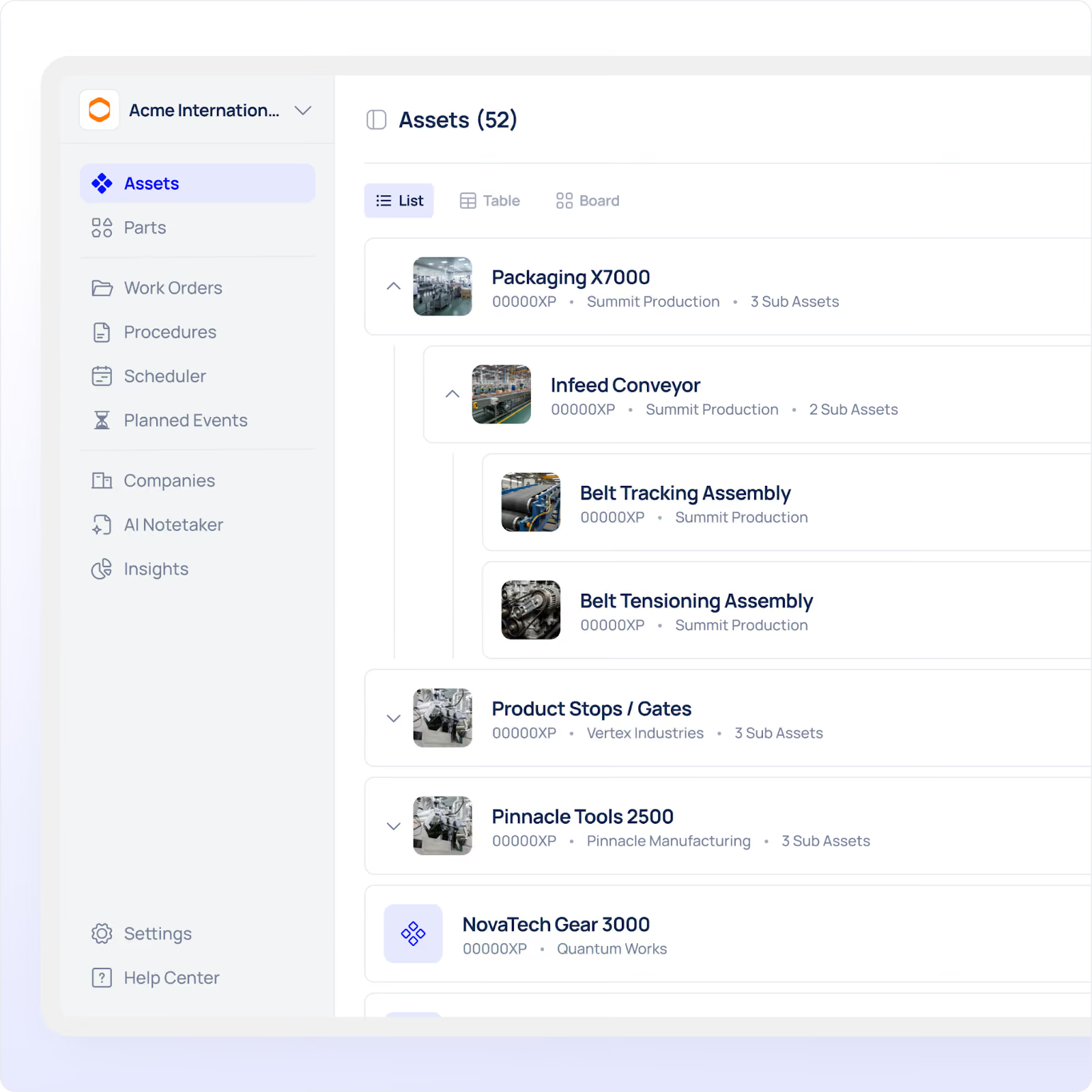
Implementing QR scanning also streamlines audits. Rather than spending days manually counting and verifying assets, teams can scan items and compare results against digital records. This automation reduces audit times and improves data reliability.
Getting Started with Mobile Asset Scanning
Transitioning from manual lookups to mobile asset scanning doesn't have to be complicated. Start by identifying high-value or frequently moved assets that would benefit most from scanning technology. Attach durable QR labels to these items and integrate them with your asset management software.
Training your team is equally important. Ensure staff understand how to use scanning devices and interpret the data they receive. With platforms like Makula, adoption of straightforward, intuitive interfaces and mobile-friendly designs means minimal learning curves.
Regular maintenance of your scanning system ensures long-term success. Update asset records as items are moved, serviced, or decommissioned. This discipline keeps your data accurate and maximises the value of your investment.
A Simple 30-Day Rollout Plan
You do not need to digitise everything at once. Start with a small pilot.
- Choose 10 to 20 high-value or high-failure assets.
- Attach QR labels to those assets.
- Link each code to the correct asset record in your CMMS.
- Train one maintenance team or shift first.
- Track how long it takes to find assets before and after scanning.
- Review the results after 30 days and expand from there.
This gives leadership a clear, low-risk way to see the value before a full rollout.
Why This Matters for the Business
When asset lookup becomes faster, the benefits go beyond convenience.
You can expect:
- Shorter downtime during breakdowns
- Better maintenance record accuracy
- Faster audits and inspections
- Less time wasted on manual searches
- Better team confidence and adoption
For maintenance managers, that means clearer reporting and stronger control over maintenance operations.
Take Control of Your Assets Today
Manual asset lookups drain time, reduce accuracy, and limit operational efficiency. Mobile asset scanning with QR codes offers a simple, cost-effective solution that delivers immediate results.
Ready to transform how your team manages assets? See how QR scanning speeds lookups and eliminates the frustration of manual searches. Discover the difference modern asset management can make.