Every minute a technician spends searching for a paper manual or logging into a desktop computer is a minute lost on actual repairs. You send your team onto the factory floor to fix complex machinery, yet they often waste valuable time simply trying to locate the correct equipment records. This constant back-and-forth travel across the facility drains productivity and extends machine downtime.
Implementing QR code asset tracking software completely removes this operational friction. By turning standard smartphones into powerful diagnostic tools, you eliminate the gap between the physical machine and its maintenance data. This guide explains how adopting a mobile-first approach tied directly to your daily workflows keeps your team working efficiently at the site of the breakdown.
The Hidden Cost of Searching for Records
The reality of industrial maintenance involves working far away from a desk. When a technician approaches a broken pump or a stalled conveyor belt, they need precise information immediately. They need to know what parts were replaced last month and what specific safety checks apply to this model.
If your service history lives in a dusty binder or a central office computer, the repair stalls before it even begins. Technicians must leave the physical asset, walk across a massive facility, search for the correct file, and hope the previous shift logged their notes clearly. This massive disconnect between the physical machine and its paper record causes severe delays. It turns minor, ten-minute fixes into hour-long frustrating chores.
See QR Code Asset Tracking for Maintenance Teams in Action
Discover how QR code asset tracking removes the friction of paper manuals and desktop systems by bringing maintenance data directly to the factory floor. See how technicians can instantly scan equipment, access service history, reduce downtime, and complete repairs faster using a mobile-first workflow.

Instant Mobile Access on the Factory Floor
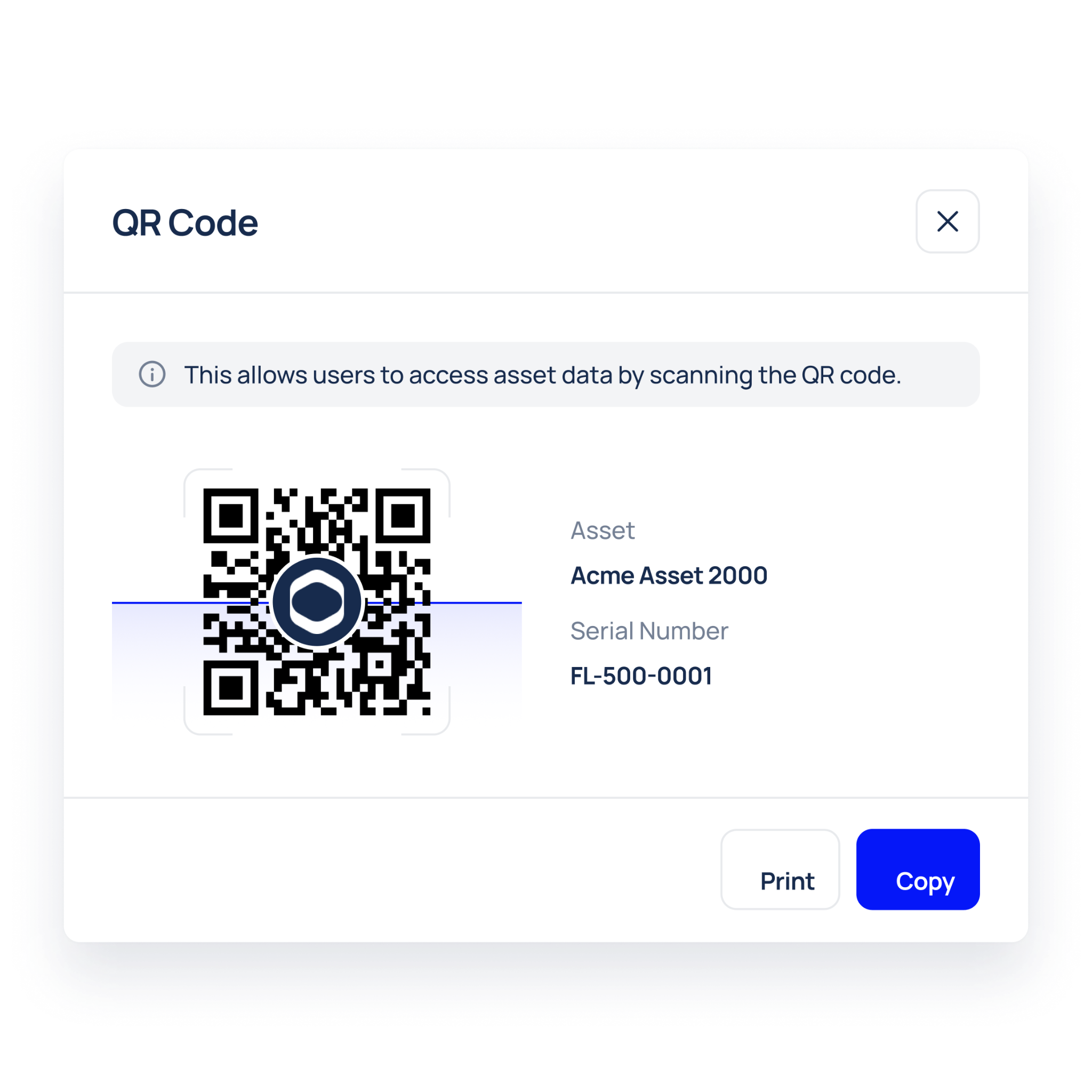
A mobile-first system bridges the gap between your data and your factory floor instantly. The mechanism is incredibly straightforward but highly effective. You attach a durable, physical QR code directly to the side of every machine, vehicle, or tool in your facility.
When a fault occurs, the technician simply points their mobile device at the code. The system instantly loads the exact digital profile for that specific piece of equipment. This ties the physical asset directly to your active maintenance workflows. The technician can instantly read the latest service notes, check the exact spare parts required, and view safety manuals without ever stepping away from the machine.
Using a platform like Makula means your team works directly where the problem is. They scan the tag, diagnose the issue using the live service history, and close the work order digitally the moment the repair is complete.
Traditional Searching vs. Mobile Scanning

Understanding how this mechanism speeds up daily routines is easy when you compare the two workflows side-by-side.
Empower Your Maintenance Team
You cannot achieve fast, efficient repairs when your team lacks immediate access to vital information. Forcing technicians to hunt for service manuals actively slows down your entire production schedule.
Moving to a mobile-first asset management strategy changes how your team operates. By placing the data exactly where the work happens, you empower your staff to fix machines faster, safer, and with complete confidence.
We can show you exactly how fast this process is. Watch how scanning a QR code on equipment provides instant access to service history, live manuals, and current work orders. See how Makula keeps your technicians on the factory floor and out of the filing cabinet.
Stop wasting time searching for information. Try QR workflow today and give your team the mobile tools they need to succeed.