
It’s a sight every plant manager knows well. A technician walks confidently towards a faulty piece of equipment, toolbox in hand. They open it, look at the machine, and then a look of confusion, followed by frustration, washes over their face. They shake their head, pack up, and begin the long walk back to the workshop, empty-handed.
This "empty-handed walk" is more than just a minor inconvenience; it's a symptom of a much deeper problem that drains resources and kills productivity. When a technician arrives on-site without the right part or a clear understanding of the task, the job simply cannot be done. What should have been a single, efficient repair becomes the first of many repeat maintenance visits.
For many organisations, this cycle is so common it’s considered a normal part of operations. But the costs associated with these wasted trips are significant, impacting everything from your budget to team morale.
See an example work order workflow
The True Cost of an Empty-Handed Trip
When a technician has to return to the depot, you lose more than just their time. The ripple effects spread throughout the entire operation, creating tangible and intangible losses.
1. Wasted Labour and Increased Downtime
The most obvious cost is wasted labour. Every minute the technician spends travelling back and forth is a minute they aren't fixing assets. If the journey to and from the site takes an hour, you've lost an hour of productive work before the repair even begins. Now multiply that by several technicians and multiple jobs per week. The hours add up alarmingly fast.
This directly leads to extended asset downtime. A machine that could have been back online in two hours might now be out of commission for a full day, halting production and creating bottlenecks that affect your entire output schedule.
2. The Domino Effect of Repeat Maintenance Visits
A single failed visit sets off a chain reaction. The job gets pushed back in the schedule, delaying other planned work. The technician, now behind schedule, might have to rush to the next job, increasing the risk of errors.
These repeat maintenance visits also signal a breakdown in communication. The initial work request was likely too vague. A job ticket that simply says "Compressor #3 is making a funny noise" forces the technician to become an investigator on their first trip, not a repair person. Their first visit is purely for diagnosis. The second is for the actual fix if they are lucky and have the right part this time.
3. Damaged Team Morale
Constantly being sent to jobs unprepared is incredibly frustrating for skilled technicians. They want to solve problems and complete tasks efficiently. When they are set up to fail by poor information, it leads to disillusionment and burnout. They feel their time and expertise are not being respected, which can contribute to higher staff turnover and a less motivated workforce.
Getting to the Root of the Problem: The Information Gap
So why does this keep happening? The problem rarely lies with the technician. It originates much earlier in the process: the work order itself. Technicians arrive empty-handed because they were sent out with incomplete or inaccurate information.
The root cause is an information gap between the person reporting the issue and the person assigned to fix it. This gap is created by:
- Vague Descriptions: Requests like "Pump is broken" or "Check the HVAC on the 4th floor" are useless. They lack the specific details needed to prepare for the job.
- No Diagnostic Information: Modern assets often produce error codes or clear visual signs of failure. If this information isn't captured and passed on, the technician is working blind.
- Lack of Historical Data: Does this asset break down often? What was done to fix it last time? Without easy access to the asset’s maintenance history, technicians are forced to rediscover known issues, leading to more repeat maintenance visits.
- No Standardised Process: When work requests come in via phone calls, emails, or conversations in the hallway, crucial details get lost. There is no formal process to ensure all necessary information is captured from the start.
Closing the Gap: From Vague Request to Actionable Work Order
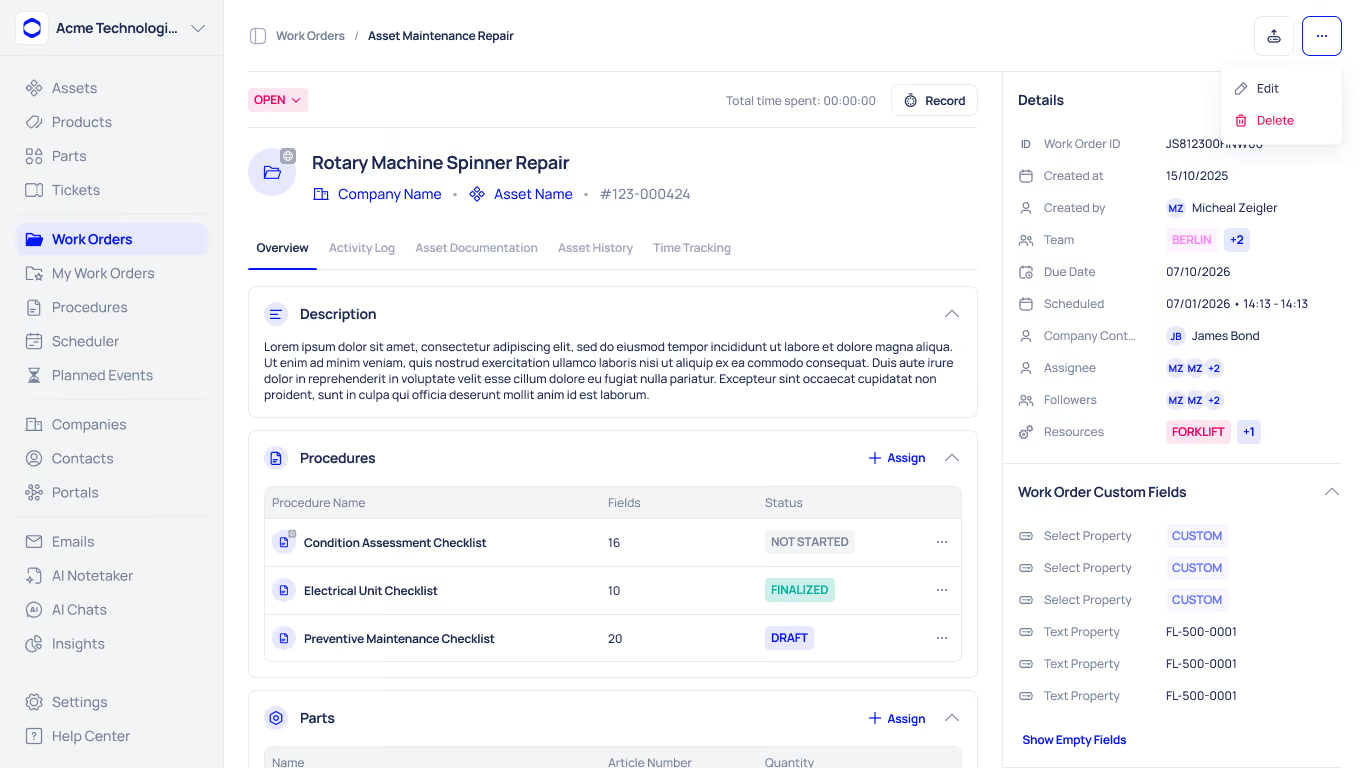
The solution isn't to hire more technicians or buy more vans. The solution is to fix your information workflow. You need to transform vague, verbal requests into detailed, actionable work orders that set your team up for success.
A proper work order should act as a complete job package. It must contain everything a technician needs to complete the work on the first try. Here’s a quick overview of what a best-practice work order should include:
- A clear description of the problem, including any symptoms or error codes.
- The exact location and asset ID.
- Photos or videos of the fault.
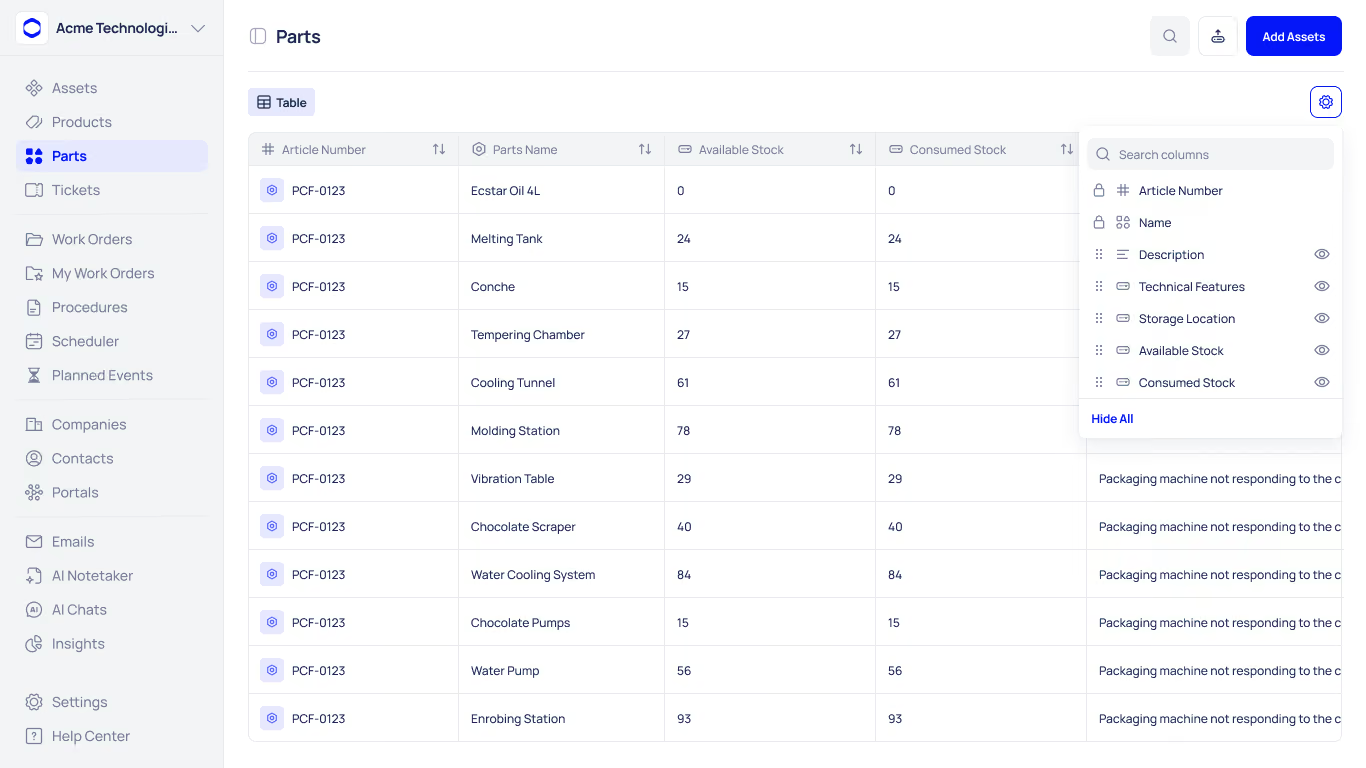
- A list of required parts and tools.
- Safety documents and procedures (e.g., LOTO instructions).
By making this level of detail a mandatory part of your workflow, you bridge the information gap. The first visit becomes the only visit.
Ready to Stop the Empty-Handed Walk?
Reducing repeat maintenance visits starts with building a better work order. A structured workflow ensures that every job is properly diagnosed and planned before a technician ever leaves the workshop.
See what a best-practice process looks like in action. We have created a simple walkthrough to demonstrate how a clear workflow can eliminate wasted trips and empower your team to fix it right the first time.