
Every manufacturing facility relies on its machinery running smoothly to hit production targets and maintain profitability. When a single critical conveyor belt, motor, or stamping press fails unexpectedly, the entire production line can grind to an expensive halt. You invest heavily in skilled technicians and top-tier equipment to prevent this, yet many teams still find themselves trapped in a reactive cycle of unexpected breakdowns.
The root cause of these sudden failures rarely stems from a lack of mechanical skill. Instead, the problem is informational. Many manufacturing teams simply cannot track plant equipment, maintenance status, and comprehensive asset history in one unified place. When information lives in scattered spreadsheets, physical binders, or the isolated memories of senior staff, making informed operational decisions becomes entirely impossible.
You need a clear, systematic approach to regain control over your facility's machinery. This guide explores the operational hazards of fragmented equipment data and demonstrates how implementing robust plant asset management software provides the centralised visibility necessary to guarantee maximum production uptime.
See How Leading Manufacturers Centralise Asset Data and Reduce Downtime
Discover how a modern CMMS gives maintenance teams complete visibility across assets, work orders, maintenance history, and downtime data. Learn how manufacturers use Makula to eliminate information silos, improve maintenance planning, and keep production running smoothly.

The High Cost of Fragmented Equipment Data
Before you can fix your maintenance strategy, you must understand exactly how disorganised data drains your budget. When your equipment records are fragmented, every repair becomes an inefficient guessing game.
Imagine a critical pump begins to vibrate excessively on a Tuesday afternoon. The technician tasked with fixing it needs to know when the pump was last serviced, what parts were replaced, and if this specific vibration is a recurring issue. If your plant relies on paper records or disjointed spreadsheets, the technician must leave the factory floor, hunt down a supervisor, and sift through filing cabinets to find the machine's history.
This administrative scavenger hunt wastes valuable hours while the machine sits dangerously close to total failure. Fragmented data blinds your team to recurring faults, makes warranty tracking a nightmare, and virtually guarantees that preventative maintenance schedules will slip through the cracks. The result is continuous production delays and highly frustrated staff.
How Centralised Asset Records Restore Control
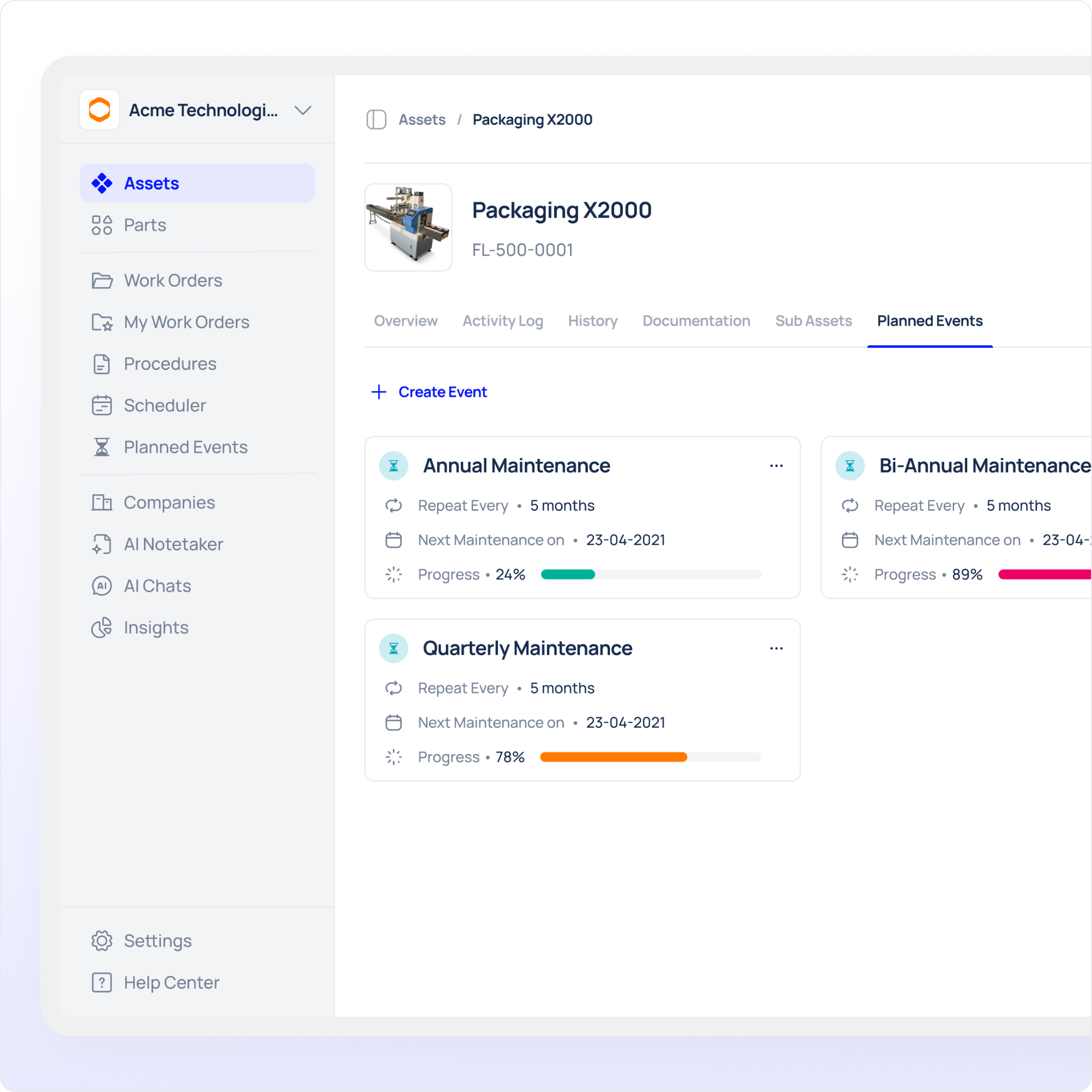
To maintain production continuity, your technicians require immediate access to accurate information. The primary mechanism for solving equipment blind spots is centralising your asset records into a single, highly accessible digital environment.
When you consolidate your data, you create a single source of truth for your entire manufacturing plant. Every machine, from your largest boiler to your smallest exhaust fan, gets a dedicated digital profile. This profile houses the equipment's serial numbers, warranty documents, operating manuals, and a complete history of every single spanner ever taken to it.
Centralisation completely changes how your team operates. Instead of searching for information, a technician simply scans a barcode on the machine with their mobile device. Instantly, the complete asset history appears on their screen, allowing them to diagnose faults faster and complete repairs with absolute confidence.
Gaining Total Maintenance Visibility
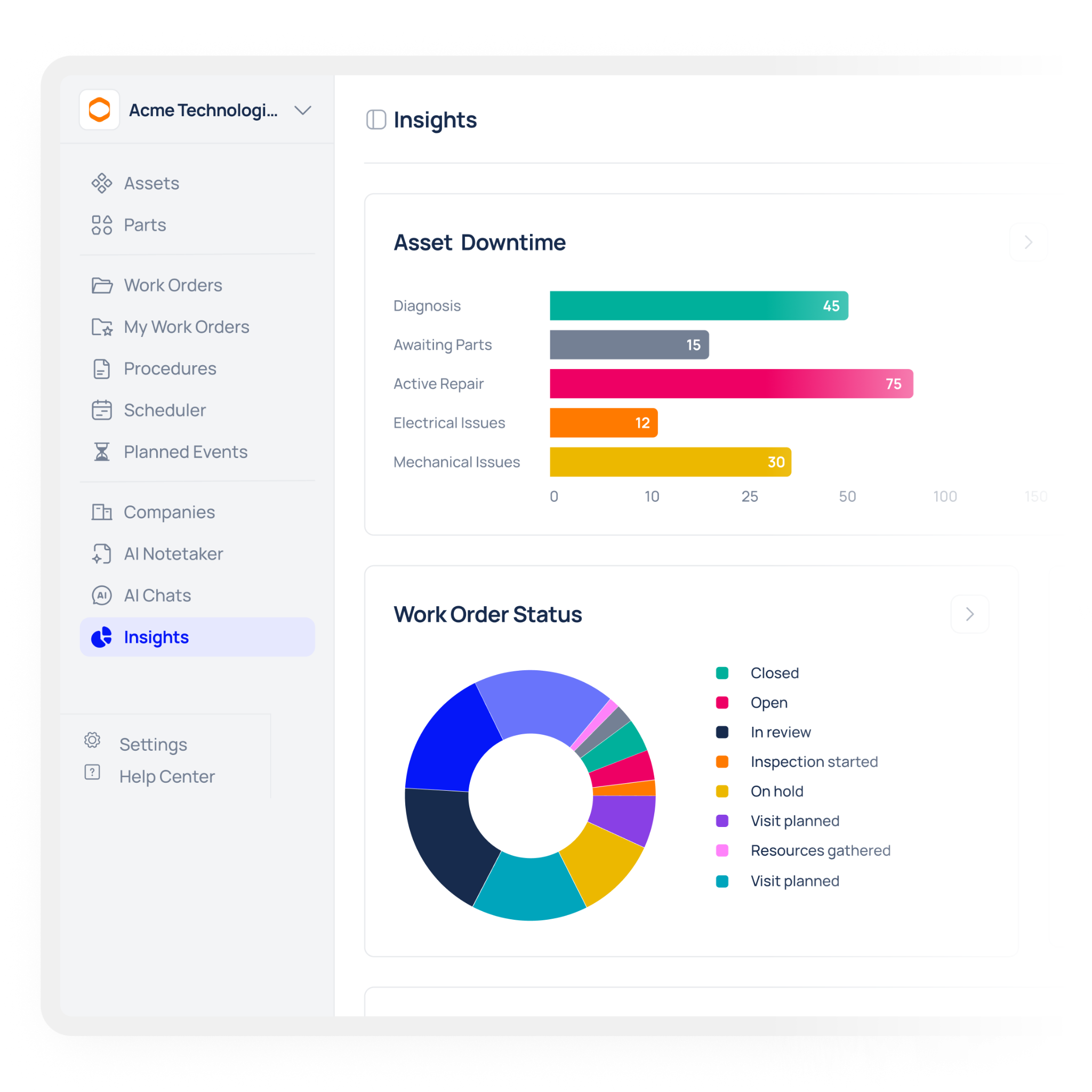
Having a list of your equipment is a good starting point, but true operational control requires dynamic maintenance visibility. You must know exactly what is happening to your machinery right now, and what needs to happen next week.
Proper plant asset management software integrates your static equipment profiles with active, real-time maintenance logs. As technicians complete routine inspections or emergency repairs, they log their actions directly into the digital asset record. Supervisors can pull up a central dashboard and instantly see which machines are currently undergoing maintenance, which tasks are overdue, and which assets are operating perfectly.
This dynamic visibility allows facility managers to balance workloads effectively. You can plan major services during scheduled factory downtime rather than interrupting peak production hours. By transforming hidden maintenance tasks into highly visible data points, you empower your management team to make strategic, cost-saving decisions.
Lifecycle Tracking and Predictive Insights
Machinery does not last forever, but replacing industrial equipment prematurely wastes massive amounts of capital. Conversely, running a failing machine for too long risks catastrophic secondary damage. Lifecycle tracking helps you find the perfect balance.
By logging every repair, spare part cost, and hour of downtime against a specific machine's record, your software automatically builds a clear picture of its overall health. Over time, this data reveals crucial operational trends. You might discover that a specific packaging machine costs more to maintain annually than it would cost to completely replace it.
Lifecycle tracking allows you to transition from reactive scrambling to predictive strategy. When you understand the historical wear-and-tear patterns of your assets, you can accurately forecast your capital expenditure for the upcoming year, ensuring you replace machinery precisely when it makes the most financial sense.
Manual Tracking vs. Digital Visibility
Understanding the tangible differences between disjointed records and a unified digital system helps clarify the urgency of this transition. Use the table below to compare how each approach handles critical manufacturing processes.
Maximise Uptime and Production Continuity
You cannot expect to hit aggressive manufacturing targets while operating in the dark. Relying on disorganised spreadsheets, physical notes, and disjointed communication ensures that your maintenance team will always remain one step behind the next major breakdown.
Transforming your facility requires a commitment to absolute visibility. By adopting plant asset management software, you centralise your equipment records, gain real-time oversight of your maintenance activities, and unlock powerful lifecycle tracking. This digital shift empowers your technicians to work faster and allows your management team to drastically reduce unexpected downtime.
Are you ready to stop guessing and start controlling your factory's performance? We can show you exactly how this transformation looks in a live environment. Discover how Makula centralises your operational data to give you absolute clarity over your facility. We will walk you through a complete asset view, highlighting real-time maintenance logs and historical downtime tracking.
Stop letting fragmented data dictate your production schedule. Book a demo today and secure the operational visibility your team deserves.