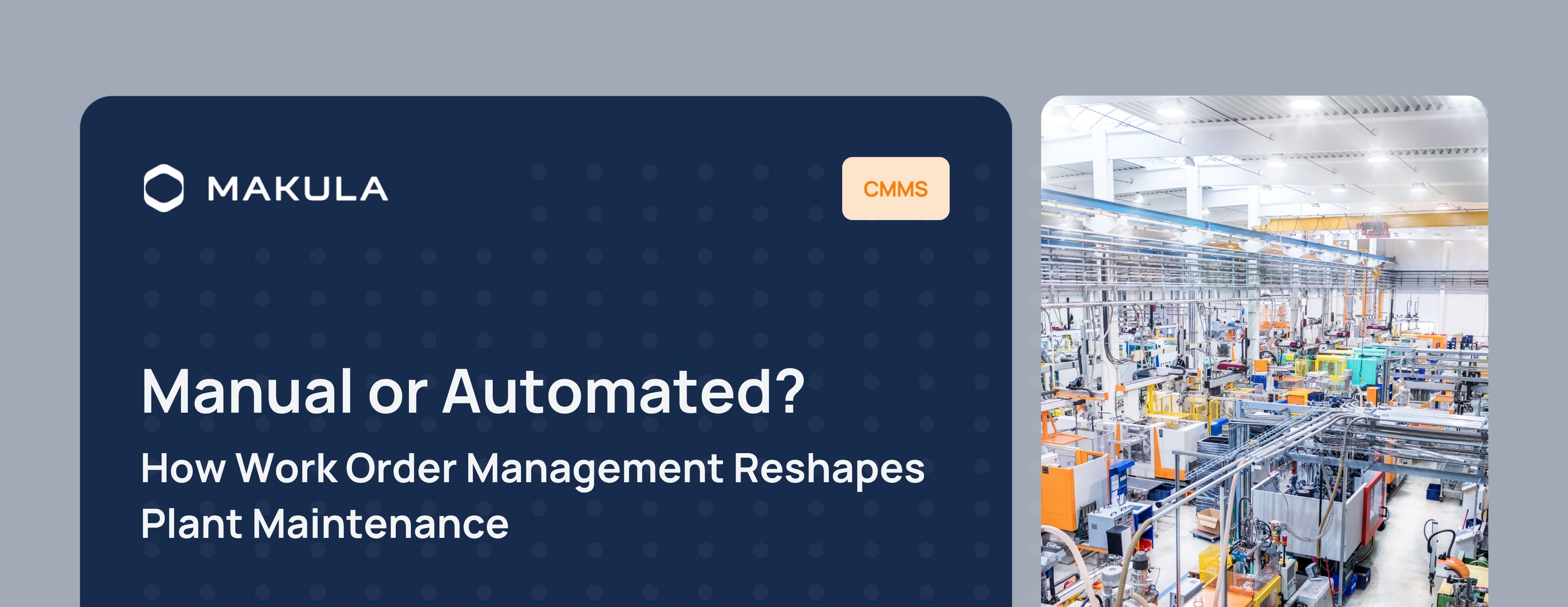
Running a maintenance department using whiteboards, paper tickets, and disjointed spreadsheets feels like fighting a constant uphill battle. You hire skilled technicians and invest in top-tier machinery, yet simple repairs take days to complete. The culprit is rarely your workforce. Instead, the friction stems directly from how you process information.
When you rely on manual systems, inefficiency becomes the default state of your operations. Technicians wait around for their next assignment, paperwork gets lost on a supervisor's desk, and managers spend hours chasing down approval signatures. To break this cycle, facility leaders must fundamentally change how tasks flow from the initial request to final completion.
This guide reveals exactly what changes when you transition from manual chaos to automated efficiency. We will explore how transforming your work order management processes—specifically through automated assignment, escalation, tracking, and approvals, eliminates operational delays and gives you complete control over your facility.
The Heavy Toll of Manual Inefficiency
Before you can appreciate the solution, you must understand the depth of the problem. Manual systems create invisible bottlenecks that drain your budget and frustrate your staff.
When a machine operator writes a fault on a piece of paper, that request sits entirely idle until a human physically moves it to the next stage. A supervisor must read it, figure out which technician is available, and track them down on the factory floor. If the repair requires an expensive spare part, the technician must leave the machine, find a manager, and secure a physical signature.
These tiny delays compound. A repair that should take thirty minutes stretches into a four-hour ordeal. While your team wrestles with administrative hurdles, your machinery sits broken, and your production line stalls. This inefficiency is not just annoying; it is incredibly expensive.
See How Automated Work Order Management Eliminates Maintenance Delays
Discover how manufacturers replace paper tickets, spreadsheets, and manual approvals with automated workflows. See how intelligent task assignment, real-time tracking, proactive escalations, and digital approvals help maintenance teams reduce downtime and improve operational efficiency.

The Four Pillars of Automated Transformation
Switching to an automated system is a massive operational leap. It shifts the burden of administration away from your staff and onto the software. Here is exactly what changes when you embrace automation across four critical areas.
1. Intelligent Task Assignment
In a manual setup, assigning tasks is a guessing game. Supervisors spend hours cross-referencing paper schedules with current workloads to decide who should handle a new breakdown.
Automation changes this completely. When an operator logs a fault digitally, the software instantly analyses the request. It identifies the machine, notes the required skill set, and checks the real-time availability of your technicians. Within seconds, the system automatically routes the task directly to the mobile device of the nearest, fully qualified team member. The supervisor does not have to lift a finger, and the technician can start the repair immediately.
2. Proactive Issue Escalation
Manual tracking relies entirely on human memory. If a critical ticket gets pushed to the back of a supervisor's desk, it stays there until the machine completely fails. You only find out about a missed deadline when the production floor grinds to a halt.
Automated systems act as an active watchdog. You set specific Service Level Agreements (SLAs) based on asset criticality. If a technician does not acknowledge a high-priority ticket within fifteen minutes, the software steps in. It automatically escalates the issue, sending an instant alert to the shift supervisor or re-routing the job to another available technician. This guarantees that critical faults never slip through the cracks.
3. Real-Time Tracking and Visibility
Tracking the progress of a manual repair involves physical legwork. Managers must walk the floor, interrupt technicians, and ask for verbal updates to figure out what is happening. By the time a report is compiled, the information is already out of date.
Transforming your work order management gives you absolute visibility. Every action a technician takes is logged instantly on their mobile device and updated on a central dashboard. You can see exactly when a job started, what parts were used, and how much time it took. This real-time tracking provides accurate data for predictive maintenance, allowing you to spot trends and fix machines before they break down.
4. Frictionless Digital Approvals
Perhaps the most frustrating manual bottleneck is the approval process. Waiting for a manager to check their email or return from a meeting just to authorise a £200 part replacement kills productivity.
Automation introduces digital approval chains. If a technician needs a part, they request it via their app. The software instantly sends a push notification to the relevant manager's phone. The manager can review the cost and tap "Approve" from anywhere in the building, or even from home. The technician gets a green light instantly, keeping the repair moving without any unnecessary downtime.
Side-by-Side: The Workflow Transformation
To truly grasp the "aha moment" of this transition, you need to see the difference clearly. Use this table to compare the painful reality of manual systems against the seamless flow of an automated platform.
Experience the Transformation
You cannot achieve enterprise-level growth while clinging to manual tools. Paper tickets, sprawling spreadsheets, and endless email chains actively hold your maintenance team back. By continuing to rely on these outdated methods, you are choosing to accept delays and operational friction.
Transforming your work order management changes the entire dynamic of your facility. Intelligent assignment, proactive escalation, and instant digital approvals empower your team to work faster, smarter, and much more safely.
Are you ready to see this side-by-side workflow transformation for yourself? We can show you exactly how a manual delay turns into an automated fix. Watch how Makula handles complex routing, streamlines approvals, and gives you total control over your maintenance operations in a live environment.
Stop letting manual inefficiency slow you down. Book a demo today and see the Makula difference in action.