Audits are a fact of life for any plant or manufacturing business. Whether it’s a scheduled routine or a surprise inspection, the stakes are high: compliance, business reputation, and sometimes even client relationships depend on a smooth, stress-free audit process. For many teams, though, the reality is far from calm. When auditors call, panic sets in as staff scramble to locate serial numbers, calibration records, and inspection certificates often tucked away in different departments, dusty folders, or outdated spreadsheets.
This chaos isn’t just stressful; it can lead to costly mistakes, compliance breaches, or missed opportunities to demonstrate the professionalism of your operation. Missing or mismatched documentation slows down the audit, raises questions about your processes, and can even trigger further scrutiny.
The good news? It doesn’t have to be this way. By preparing key documents and records in advance, you ensure a confident, seamless inspection every time. That’s where this asset audit checklist comes in. Use it as your practical guide to eliminate the last-minute rush, keep all critical information at your fingertips, and impress your auditors with how organised and audit-ready your plant really is.
Use this asset audit checklist to centralise your documentation and ensure your plant is ready for inspection without the last-minute panic.
1. Verify Physical Asset Locations
Don't wait for the auditor to point out a missing machine.
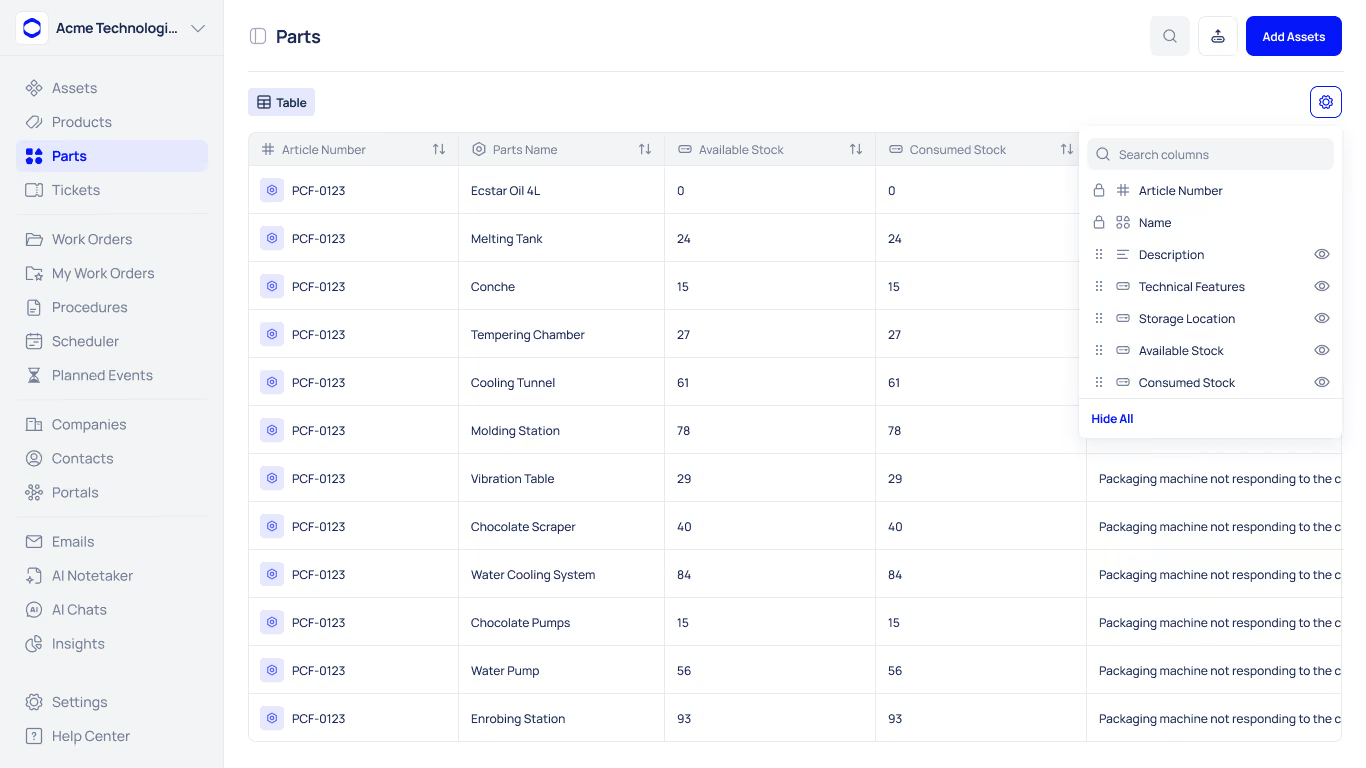
- Walk the floor and confirm critical machinery is exactly where the register says it is.
- Check that assets are not hidden behind storage or new equipment installations.
- Flag any "ghost assets" (items on the list that have been scrapped or moved) immediately.
2. Confirm Serial Numbers Match the Register
A mismatch here casts doubt on your entire system.
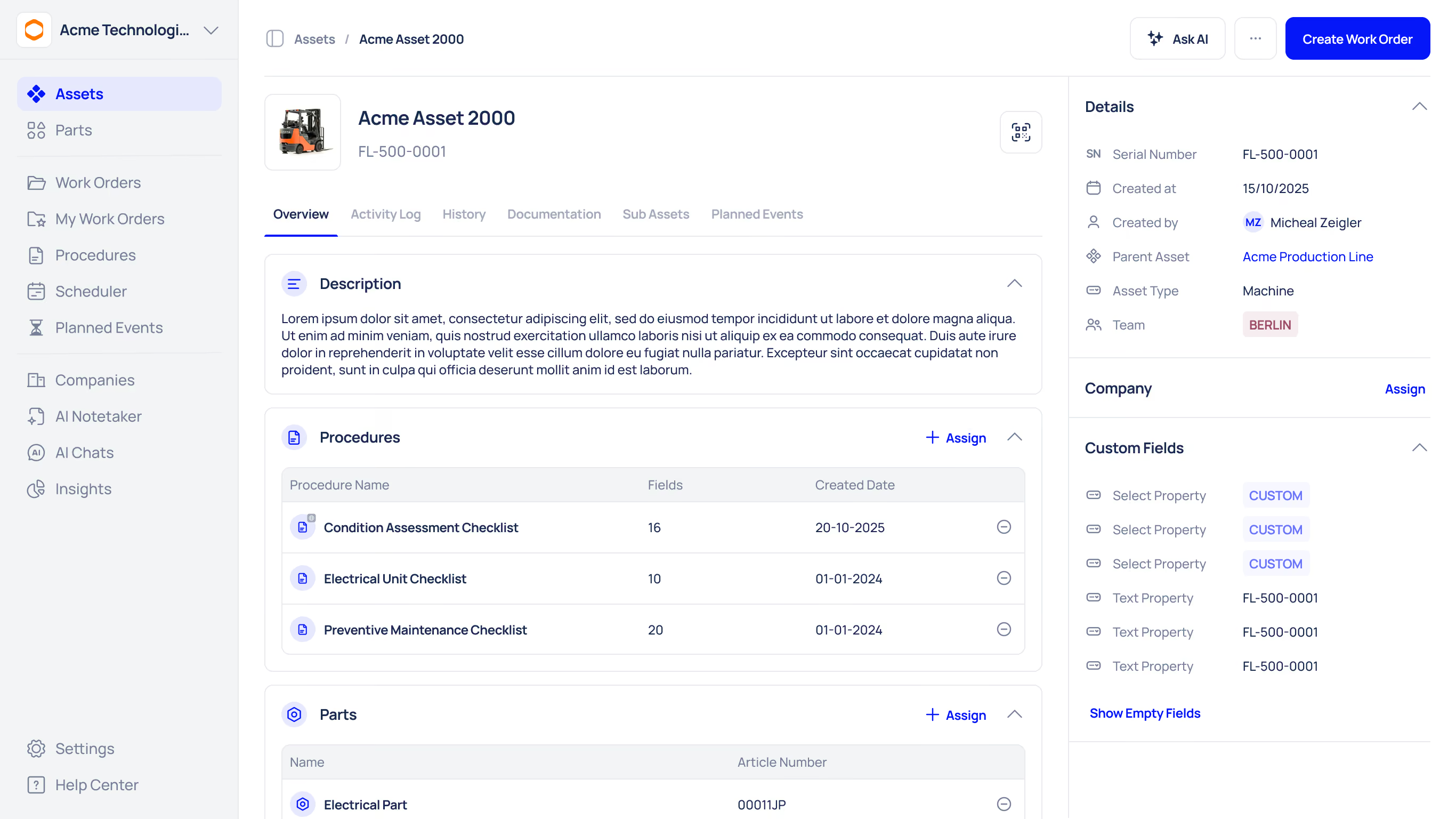
- Spot-check 5–10 random assets to ensure the physical serial plate matches your digital record.
- Ensure plates are clean, readable, and not painted over.
- Update any discrepancies in the central register instantly.
3. Centralise Maintenance Logs
Auditors want proof of care, not just a list of machines.
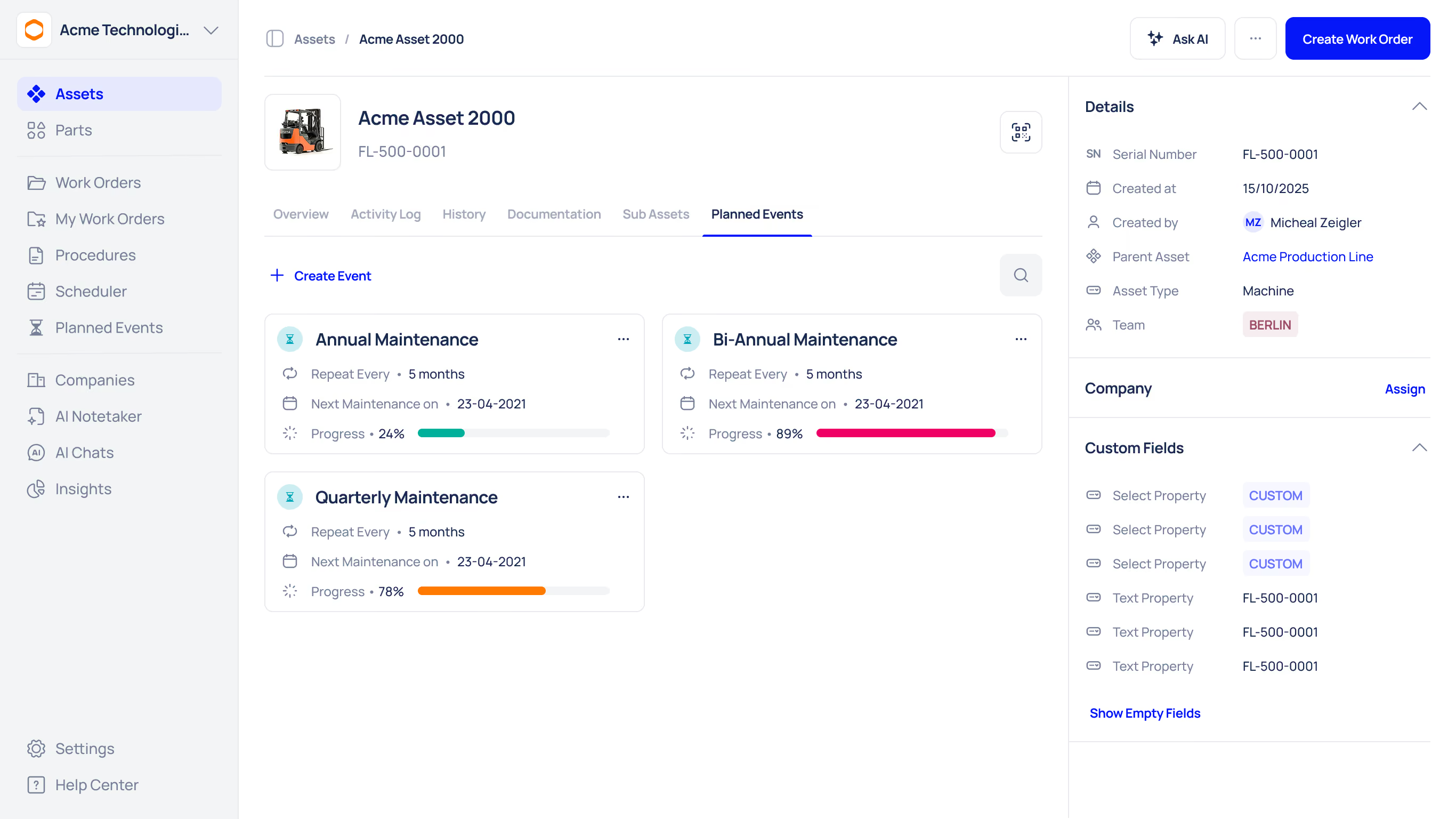
- Gather maintenance history for all key production assets (digital or physical).
- Ensure the last service date is recorded and visible.
- Attach service reports to the specific asset ID in your system if possible.
4. Locate Statutory Inspection Certificates
This is a critical compliance failure point.
- Retrieve current certificates for regulated equipment (Lifting Operations and Lifting Equipment Regulations - LOLER, Pressure Systems Safety Regulations - PSSR, etc.).
- Check that no certificates have expired within the last 30 days.
- File these in a single "Audit Ready" folder or link them digitally to the asset.
Asset Audit Checklist Overview
5. Check Calibration Records
Precision equipment needs proof of accuracy.
- Identify all measuring and testing equipment requiring calibration.
- Confirm that calibration stickers are present and display the next due date.
- Locate the external calibration certificates for verification.
6. Review Safety Guarding and Emergency Stops
Safety compliance is often the first thing audited visually.
- Visually inspect that all fixed guards are secure.
- Test emergency stops (during planned downtime) and log the test.
- Ensure safety signage is clean, legible, and compliant with UK standards.
7. Digitalise the Paper Trail
If it’s not written down (and findable), it didn't happen.
- Scan any loose paper logs or handwritten notes from the last quarter.
- Upload scans to your asset audit checklist folder or management system.
- Ensure your team knows exactly where to find these digital files.
Need to secure your process permanently?
Stop the scramble for good.