
For manufacturing teams, day-to-day operations often move at a rapid pace. There are deadlines to meet and quotas to be filled, so when equipment breaks down or issues arise, workflows shouldn't be disrupted. However, that's exactly what happens: tasks get paused just so technicians can call a supervisor, speak with a specialist, or search through old manuals.
Today, though, AI is changing the game. By integrating modern AI solutions in the workplace, access to real-time support is just a click away. No switching tools, no delays—just smooth, continuous progress.
Challenges in Manufacturing Operations
Even the most organised operations run into a mix of challenges, whether technical or operational. Quality control issues could arise, or there could be supply chain disruptions that stall production. Addressing these challenges can improve profitability and create a much safer, resilient operation. These are some of the gaps that often create friction in the workplace:
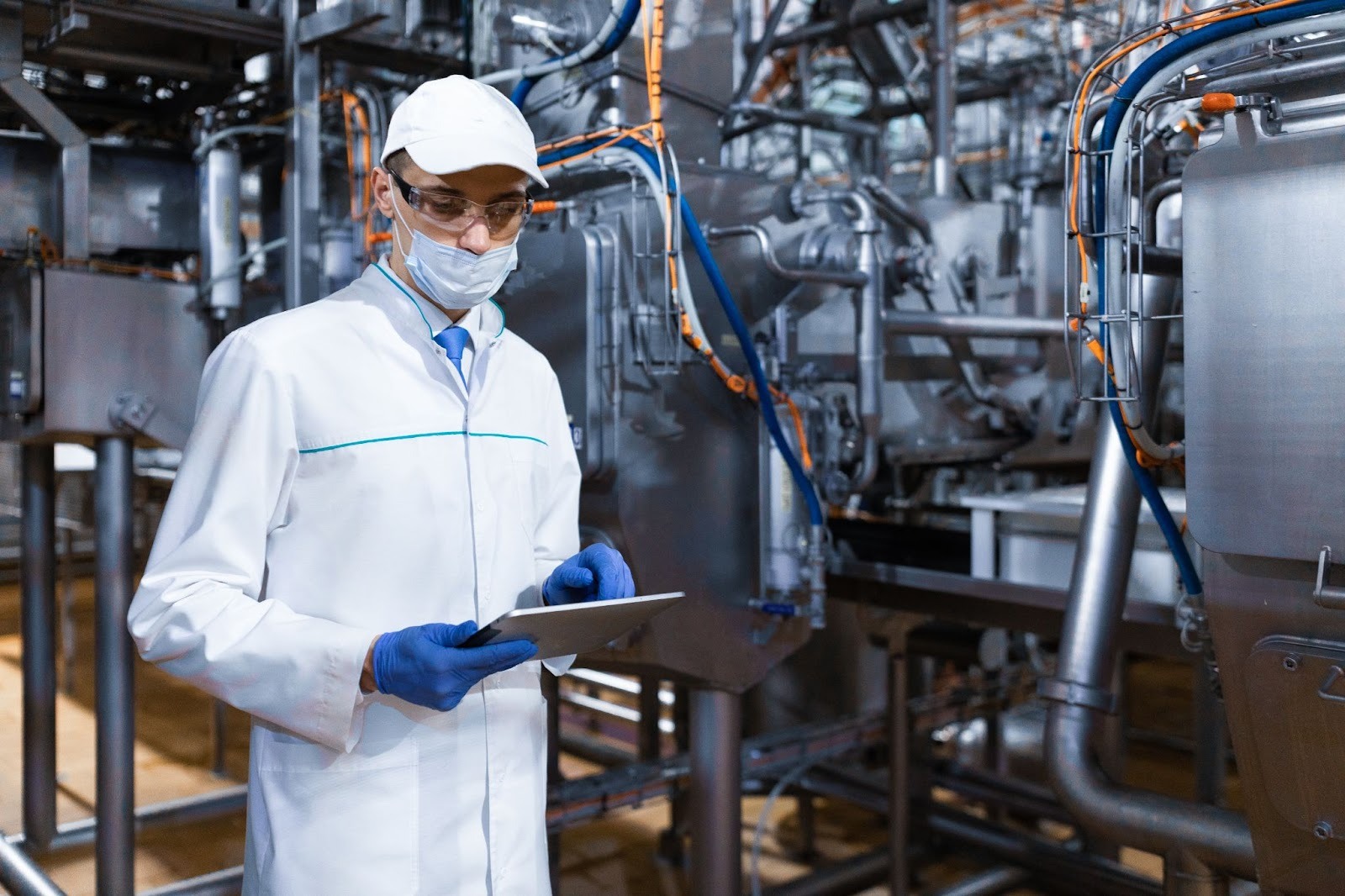
Workflow disruptions
Every small disruption in the workplace can slow down an entire production line. Problems need to be solved—and solved quickly—whether this means jumping between apps during work shifts or digging through old documents. The result: work stalls and production gets delayed, affecting resolution time and productivity across the entire team.
Critical knowledge lives in too few places
Experts carry years of experience in their heads, and when they’re busy or unavailable, everything backs up. Aside from CMMS & maintenance management, teams greatly depend on hero employees to keep operations running.
Communication becomes scattered
Photos sent over text, notes scribbled on paper, long email chains—support lives everywhere but the work order. That makes it tough to track what happened, train others, or improve future jobs.
How AI Enables Live Support Inside Work Orders
Combining AI guidance and human expertise dramatically accelerates how work gets done.
Instead of pulling technicians out of their workflow, AI brings the expertise directly into it. Here’s how:
Instant Answers
Technicians can ask the AI questions in plain language:
- “What’s the next step?”
- “What does this error code mean?”
- “Is this part installed correctly?”
Guidance appears immediately—right inside the work order—keeping the task moving.
Smart retrieval of the right knowledge
AI automatically pulls information from manuals, past jobs, schematics, SOPs, or internal documentation. It understands the context of the work being done and surfaces the most relevant insight.
And with Pew Research Center data showing that 73% of AI users in the workplace are under 50 years old, it’s clear that a large portion of today’s workforce is already comfortable relying on AI tools to retrieve information quickly. This familiarity makes contextual insights even more impactful, enabling teams to adopt AI-driven support with greater confidence and less resistance.
Escalation to human experts
When an issue requires specialist judgment, AI routes the question directly to the right expert and includes:
- Images or video attachments from the technician
- Completed steps
- Work order context
- A concise AI-generated summary
Experts receive everything they need to respond quickly, eliminating the need for back-and-forth communication with everyone involved. And with recent McKinsey & Company findings showing that 20 percent of leaders believe employees will use AI for more than 30 percent of their daily tasks, this kind of escalation reinforces a key reality: AI isn’t replacing human expertise—it’s making it easier for experts to step in exactly when they’re needed, with better context and far less friction.
Operational Benefits of AI Programs
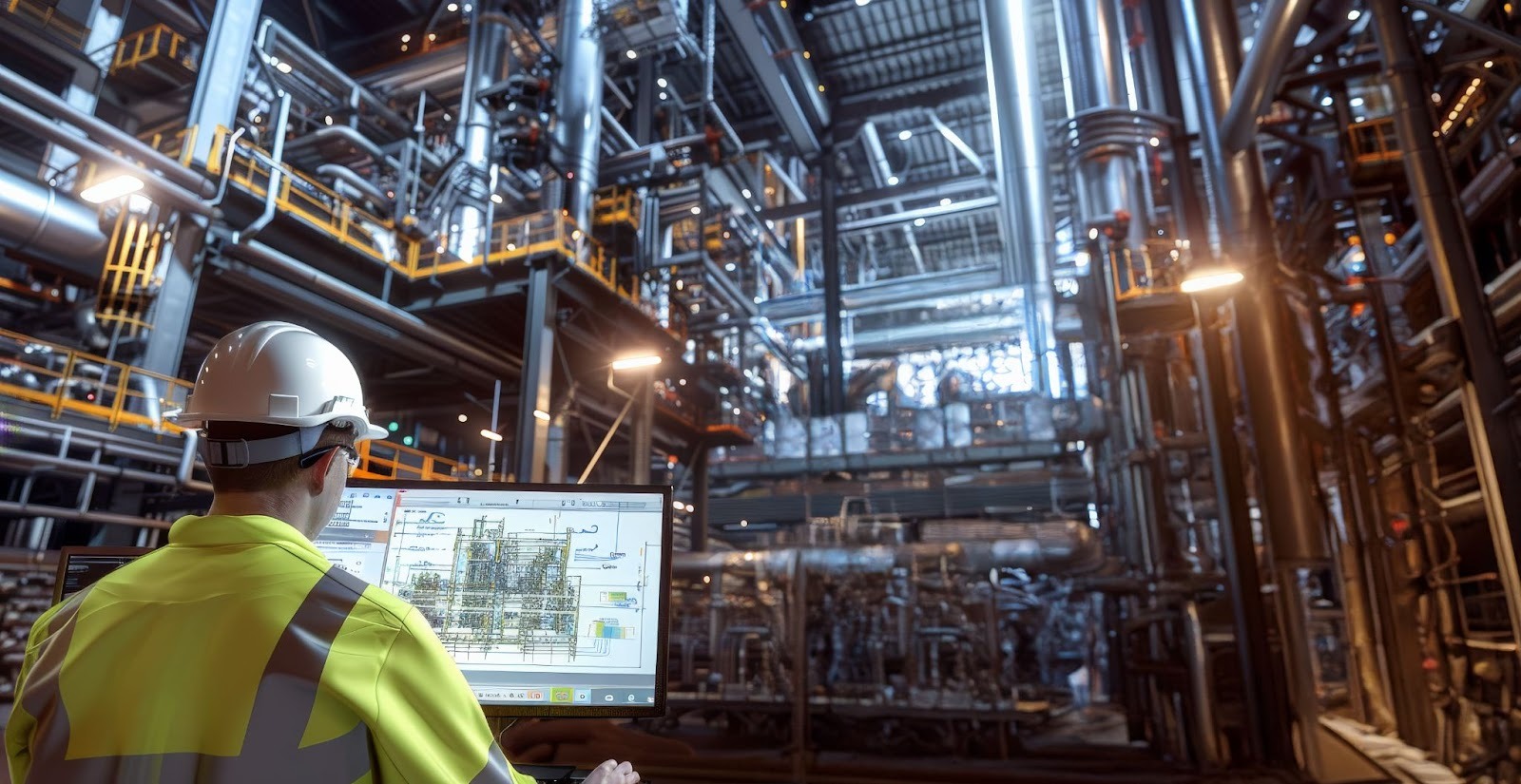
When live support is available inside the work order, everything becomes easier. And it’s no surprise that organisations are leaning into these capabilities: based on a recent Stanford report, U.S. private AI investment grew to $109.1 billion, reflecting how strongly companies are backing AI to streamline operations, reduce friction, and improve workflow reliability.
Here are some of the key benefits of integrating AI programs in the workplace:
Faster Resolution Times
No wasted minutes searching for information or making calls. AI keeps the workflow uninterrupted.
Higher First-Time Fix Rates
With better, more accurate guidance—plus quicker access to experts—technicians complete jobs correctly the first time.
Scalablibility
Senior experts aren’t tied up answering repetitive questions. AI handles the common scenarios and routes only the high-value ones to humans.
Improved Safety and Compliance
AI ensures safety steps, documentation, and protocols aren’t skipped. Guidance appears at the exact right moment.
Stronger Customer Outcomes
Faster service, fewer return visits, and consistent quality translate into a better experience for clients and stakeholders.
Use Cases of AI Programs
The shift to AI-assisted work order execution is happening across industries:
- Field Service & Maintenance: Technicians get real-time troubleshooting for HVAC, electrical, mechanical, and industrial equipment.
- Construction: Teams gain instant guidance on compliance, structural questions, and equipment use.
- IT & Network Operations: AI programs support log analysis, diagnostics, and fast escalations during outages.
- Facilities Management: Both routine and emergency jobs become more predictable and consistent.
Regardless of the sector, the story remains the same: teams stay connected, confident, and productive.
How Organisations Can Get Started
You don’t need a major transformation to adopt AI-driven support.
- Integrate AI into your current work order tools. Look for platforms that bring AI directly into your existing workflows—no toggling or complicated setups required.
- Digitise operational knowledge. Upload manuals, SOPs, historical work orders, training documents, and tribal knowledge. AI becomes far more valuable when fed high-quality information.
- Train teams on best practices. A short onboarding session helps technicians understand how to ask questions and get the most from AI support.
- Iterate based on real-world use. Refine prompts, upload more data, and adjust escalation paths as your teams work. Continuous improvement makes the system stronger over time.
The Future: AI-Driven Live Expert Support
We are now in the era where AI-enabled support is the norm in many workplaces. Soon, human expertise and AI will work together seamlessly, helping teams move from reactive to truly proactive operations.
Live expert support within active work orders is more than a technological upgrade—it’s a major shift in how frontline teams operate. By bringing AI-powered insights directly into the workflow, organisations reduce downtime, improve accuracy, and empower technicians with the knowledge they need at the exact moment they need it.
This is the future of operational excellence: faster, clearer, and more connected work for every team.