
If a technician arrives at a machine without the right parts, the right history, or a clear understanding of the fault, the result is almost always the same: wasted time, repeat visits, and a longer delay before the equipment is back online.
For many manufacturing teams, this is not a one-off problem. It is a pattern.
A work order is submitted with vague details. The technician heads to the asset with limited context. The issue turns out to be more complex than expected. The part is not in the van, or the storeroom does not have what is needed. The technician returns, waits, searches, and comes back again.
That cycle creates avoidable downtime, increases labour costs, and makes maintenance teams less effective than they should be.
In this anonymised example, one manufacturing plant used a CMMS to break that cycle. By improving work order quality, connecting asset history, and giving maintenance teams better visibility into spare parts, they reduced repeat maintenance trips from three visits to just one.
The Problem: Too Many Trips, Too Much Rework
Like many industrial facilities, the plant was dealing with a familiar maintenance challenge: technicians were being sent out with incomplete information.
A typical issue might start with a vague operator report such as “conveyor making noise” or “motor not running properly.” That was often enough to trigger a response, but not enough to prepare the technician properly.
The result was predictable. The first visit was usually diagnostic. The technician would inspect the asset, confirm the problem, and discover that the fault required a specific part, tool, or follow-up action. A second visit was ten needed after sourcing the missing item. In some cases, the repair still was not completed until a third visit.
This created several problems at once:
- Machines stayed down longer than necessary.
- Technicians spent time travelling back and forth instead of fixing equipment.
- Maintenance planners had no clear way to see what was slowing jobs down.
- Spare parts usage was reactive instead of planned.
- First-time fix performance remained low.
The plant needed more than a faster response. It needed a better maintenance process.
The Root Cause: Disconnected Maintenance Data
After reviewing the workflow, the team identified a simple but costly issue: maintenance data was not connected.
The work order system, asset records, and inventory process all existed separately. That meant the team could not easily answer basic questions before dispatching a technician.
For example:
- Has this asset failed in the same way before?
- Which parts were used last time?
- Is the required spare part actually in stock?
- What tools or checks should the technician prepare before leaving?
Without those answers, technicians were forced to rely on guesswork. And guesswork is expensive in maintenance.
The facility also had another challenge common in manufacturing environments: important knowledge was trapped in people’s heads. Experienced technicians knew which assets tended to fail and which parts were usually needed, but that knowledge was not captured in a system that the whole team could use.
That is exactly the kind of problem a CMMS is built to solve.
The Solution: A CMMS-Driven Maintenance Workflow
The plant implemented a CMMS to bring its work order, asset, and inventory information into one place.
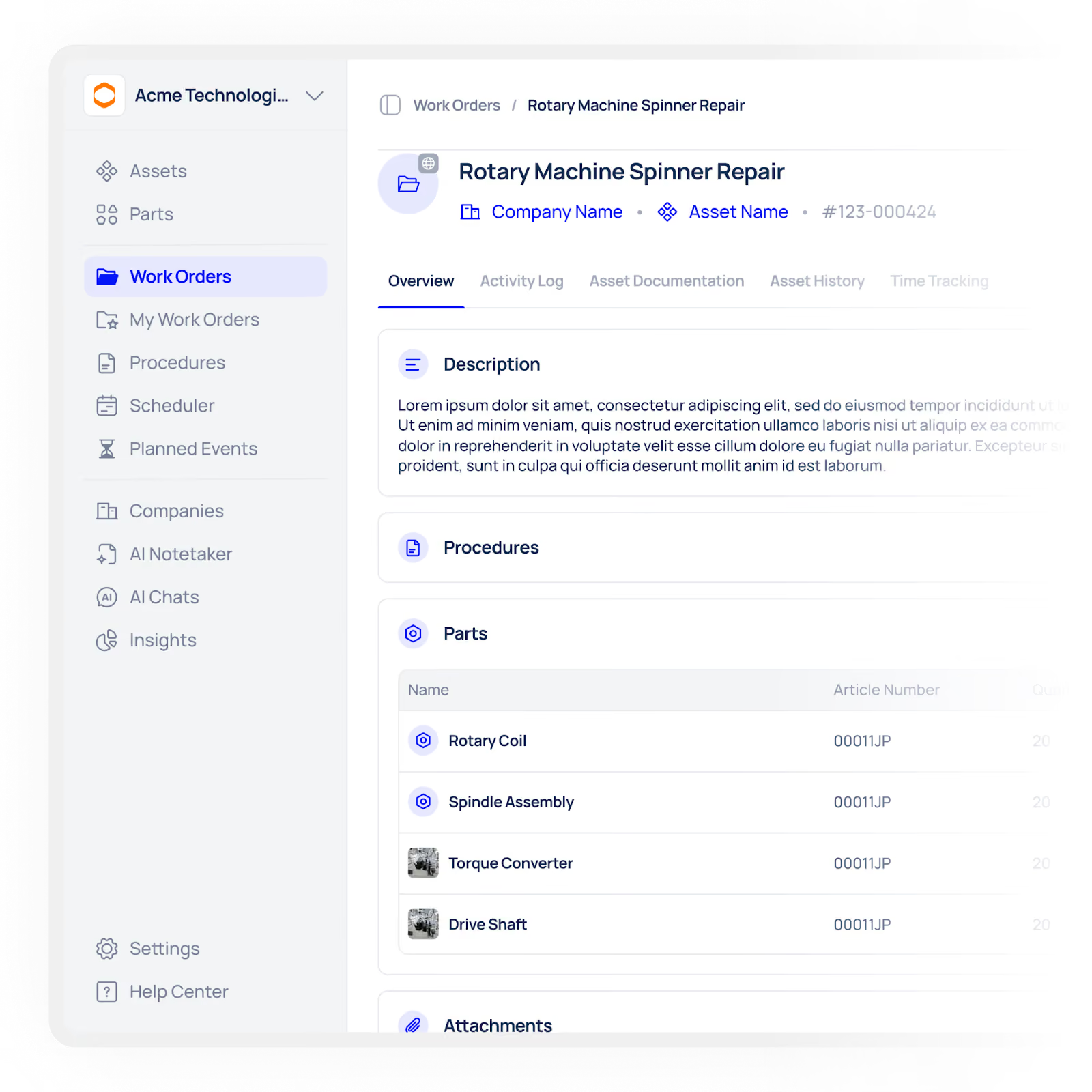
Instead of relying on free-text notes and informal handovers, the new process required each maintenance request to include structured information such as:
- the exact asset ID
- the fault description
- photos of the issue
- the location of the equipment
- any known symptoms or error patterns
Once that information was captured, the CMMS made it much easier for planners and technicians to prepare properly before the job started.
The team could now review the asset’s maintenance history, see previous issues, and check whether the same fault had already happened before. They could also link the work order to the spare parts record, which made it easier to verify whether the required part was available in the storeroom.
This changed the maintenance process in a major way.
Instead of dispatching a technician for a first visit that only uncovered more work, the team could now prepare in advance. If the part was not available, the work order could be flagged before the technician wasted time travelling to the machine. If the issue looked similar to a previous failure, the team could use that history to prepare the correct response immediately.
That shift from reactive dispatch to structured maintenance planning is where the improvement started.
What Changed After CMMS Implementation
Once the CMMS was in place, the plant saw a more disciplined maintenance workflow.
Work requests became clearer. Asset history became accessible. Spare parts planning became more reliable. And technicians arrived with better information.
That did not just reduce repeat trips. It improved the entire maintenance process.
Instead of spending the first visit figuring out what was wrong, technicians could focus on solving the problem. Instead of making multiple trips to the same machine, they could complete the repair in one visit more often. Instead of reacting to missing parts after the job had already started, the team could plan ahead and reduce unnecessary delays.
The biggest difference was not only speed. It was control.
The maintenance team now had a system that helped them do the job properly the first time.
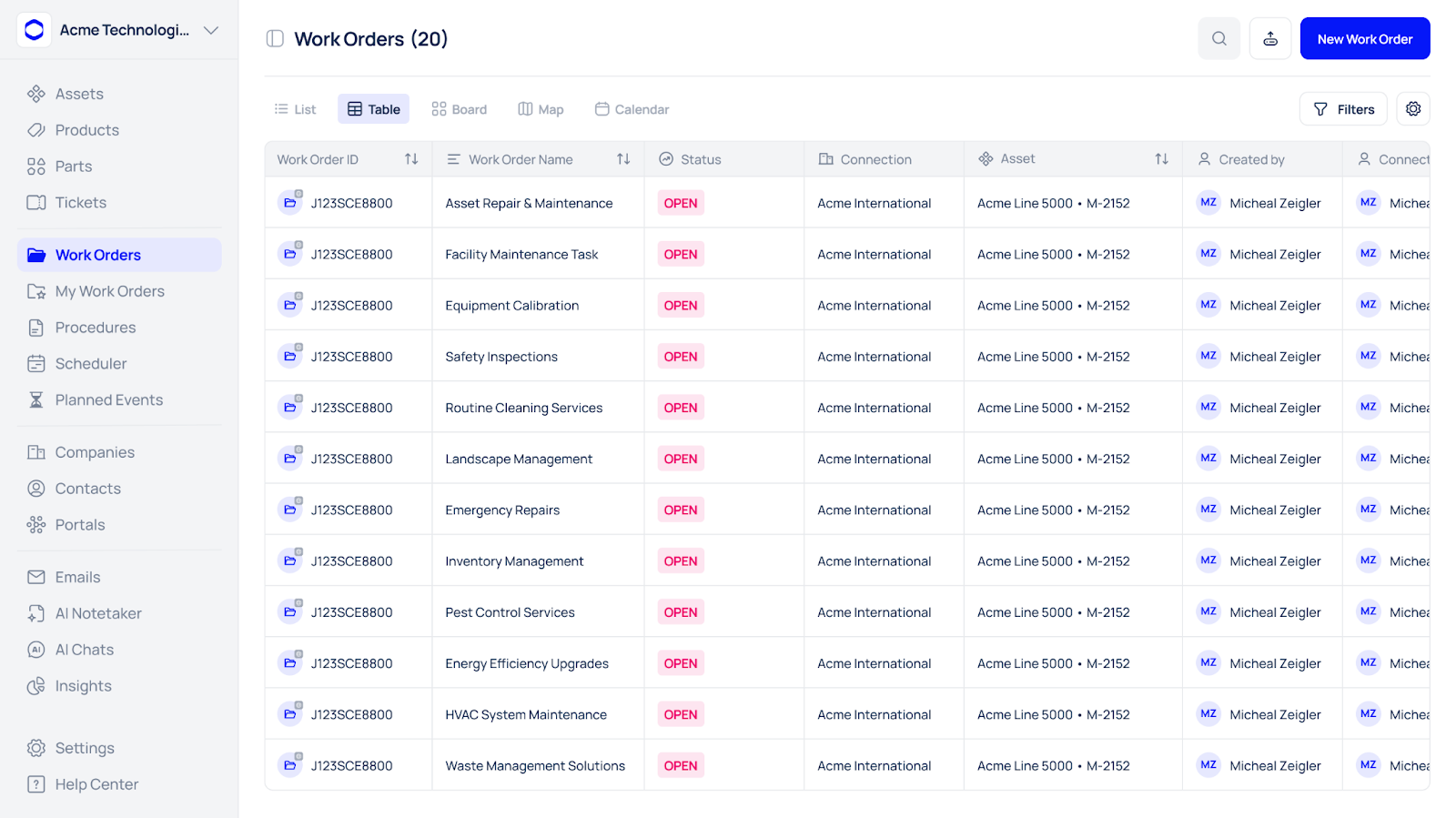
Key Results
The impact was clear across several maintenance KPIs.
These numbers reflect more than a process improvement. They show what happens when maintenance teams are given better data before the job begins.
A lower number of visits means less duplication. A higher first-time fix rate means better preparation. Improved inventory accuracy means fewer surprises in the middle of a repair. And a shorter MTTR means equipment returns to production faster.
Why This Matters for Manufacturing Teams
For manufacturing plants, repeat maintenance trips are not just inconvenient. They are a sign that the maintenance system is working harder than it should.
Every unnecessary return visit creates extra labour cost, extra downtime, and extra frustration for the team. Over time, that adds up to lost productivity and reduced confidence in maintenance performance.
A CMMS helps eliminate those hidden inefficiencies by connecting the information that maintenance teams need to act quickly and correctly.
When work orders are structured, asset history is visible, and inventory is linked to planning, the team can make better decisions before a technician ever leaves the workshop.
That is the real value of CMMS: fewer surprises, better execution, and more jobs completed right the first time.
What the Maintenance Team Gained
The operational gains were obvious, but the human gains mattered too.
Technicians were no longer being sent into the field with incomplete instructions. Planners had more confidence in dispatch decisions. Supervisors could see what was causing delays and improve the process. And the team spent less time on wasted travel and more time on productive maintenance work.
That shift also improved morale. Maintenance teams tend to perform better when the system supports them instead of slowing them down.
In this case, the CMMS became more than a software tool. It became the backbone of a better maintenance workflow.
Final Thoughts
Repeat maintenance trips are often treated as a technician problem, but they are really a process problem.
When maintenance teams do not have the right information at the right time, the result is predictable: rework, delays, and unnecessary downtime. A CMMS solves that by connecting the entire maintenance workflow, from request to dispatch to repair to parts usage.
For this manufacturing plant, that change reduced repeat visits, improved first-time fix rates, and gave the team a more reliable way to manage maintenance work.
That is the kind of improvement every plant wants: fewer wasted trips, faster repairs, and a maintenance operation that runs with confidence.