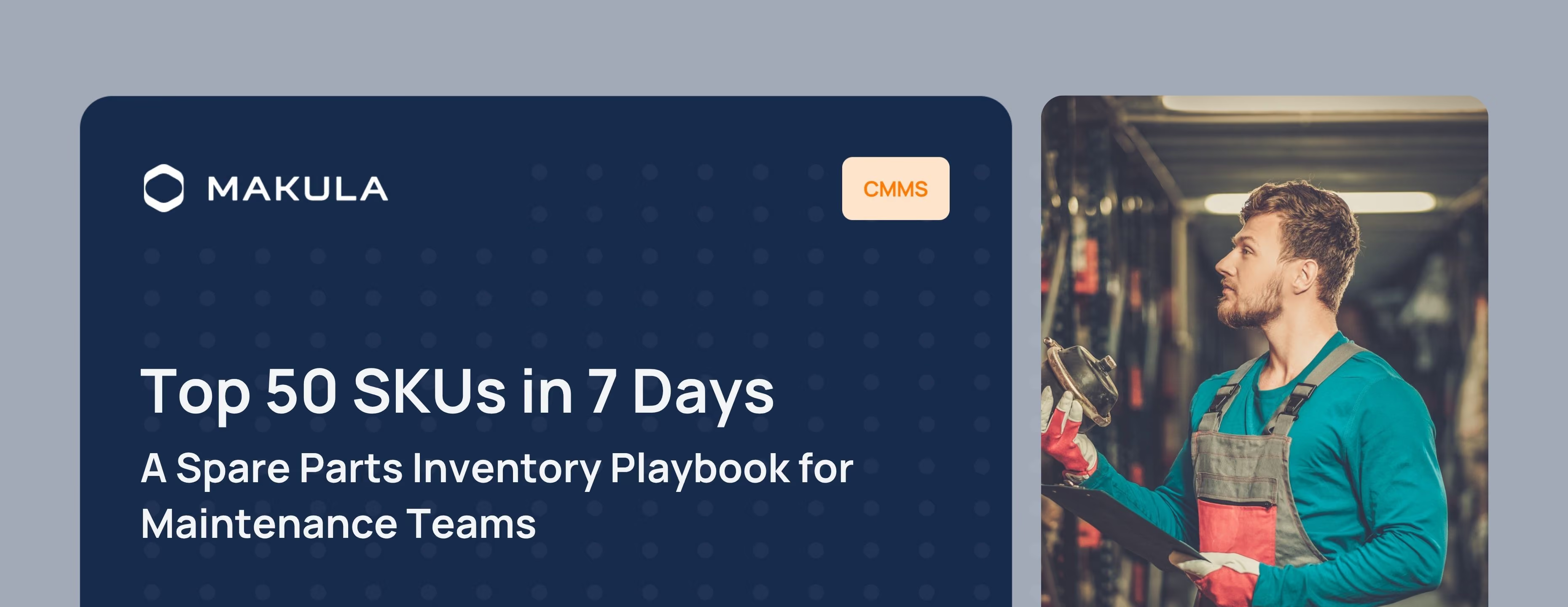
Walking into a manufacturing storeroom can feel like stepping into a problem you cannot solve quickly.
Thousands of spare parts sit on the shelves. Some are essential. Some are obsolete. Some are overstocked. And some of the most critical items are missing exactly when production needs them most.
That is the real challenge in spare parts inventory management.
Most maintenance teams already know their inventory is not fully under control. The problem is not awareness. The problem is scale. When you have thousands of parts, it is difficult to know where to start, what to fix first, and which items are creating the most risk.
That is why a focused inventory review matters. Instead of trying to audit every part at once, you can identify your most critical SKUs, understand stock cover, and build a clearer reorder plan based on real usage.
Master Spare Parts Inventory Management in 7 Days
Learn how to prioritise your top 50 SKUs, improve stock cover visibility, and build a smarter reorder plan. See how maintenance teams use Makula CMMS to turn messy spare parts data into a structured, cost-efficient inventory system.

Why spare parts inventory becomes difficult to manage
Spare parts data tends to become messy over time.
Different people record the same item in different ways. Old stock stays on the shelf long after it should have been removed. Critical items are duplicated under multiple names. And purchasing decisions are often made without a clear view of how much stock is actually needed.
That creates two common problems:
- too much capital tied up in slow-moving or obsolete items
- too little stock of the parts that matter most
When that happens, maintenance teams lose confidence in the inventory system. Engineers start hoarding parts. Purchasing becomes reactive. And stockouts become expensive because the team cannot trust the numbers.
What a parts health review reveals
A focused inventory review helps turn a large, confusing stockroom into something much more manageable.
Instead of looking at every part equally, the review highlights the items that matter most.
This kind of review helps you understand where the biggest risks are hiding.
What to focus on first
The best place to start is not the entire storeroom. It is the small group of parts that creates the most operational impact.
That usually means reviewing:
- high-cost items
- fast-moving items
- parts with long lead times
- components linked to critical assets
- items that frequently cause stockouts or delays
When you focus on those SKUs first, you get faster results and a clearer path to better inventory decisions.
Why stock cover matters
Stock cover tells you how long your current inventory will last based on historical usage.
That is important because having stock is not the same as having enough stock.
If you have ten filters on the shelf but use them quickly, your cover may be too low. If you have twenty obsolete bearings for a machine that no longer exists, your cover is too high and your cash is tied up for no reason.
A good spare parts inventory management process should help you answer:
- how much stock you have
- how quickly you use it
- when you need to reorder
- which parts are sitting unused
That gives purchasing and maintenance teams a much better basis for planning.
How the reorder plan helps
Once your top SKUs are clear and your stock cover is understood, you can build a more reliable reorder plan.
That means setting minimum and maximum stock levels that reflect actual demand, not guesswork.
This is useful because it helps your team:
- reduce emergency buying
- avoid overstock
- protect critical assets from stockouts
- smooth out procurement planning
- reduce pressure on the storeroom team
The goal is not to buy more. The goal is to buy smarter.
Why this matters for maintenance teams
Inventory problems do not stay in the storeroom. They spread into maintenance operations.
When a part is missing, the job stops. When stock records are wrong, planning becomes slower. When engineers do not trust the system, they spend time checking shelves instead of fixing equipment.
Strong spare parts inventory management helps maintenance teams:
- reduce downtime
- improve job readiness
- shorten repair delays
- plan work more accurately
- avoid unnecessary duplicate purchases
That makes inventory control a maintenance performance issue, not just a purchasing issue.
How Makula CMMS supports better inventory visibility
Makula CMMS helps maintenance teams keep parts and asset data in one place.
That makes it easier to:
- track parts against work orders
- understand where items are being used
- review usage history
- improve reorder planning
- see which parts support critical assets
When inventory data is connected to maintenance work, it becomes much easier to make better decisions.
What teams usually uncover
A focused parts review often reveals the same hidden issues:
- duplicate SKUs
- obsolete stock
- inaccurate part names
- unclear usage patterns
- items with poor stock cover
- critical parts with no reorder strategy
These issues may look small on their own. But together, they create waste, confusion, and unnecessary risk.
Conclusion
You do not need to fix every spare part record at once.
The fastest way to improve spare parts inventory management is to focus on the parts that matter most: your top SKUs, their stock cover, and the reorder plan behind them.
When those core items are under control, the whole inventory process becomes easier to manage.
Start with your top 50 SKUs and turn your spare parts inventory into a reliable, cost-efficient system.