Does this sound familiar? A critical piece of equipment fails without warning. Suddenly, alarms are ringing, phones are buzzing, and your team is scrambling to get operations back online. You fix it, breathe a sigh of relief, and move on until the next breakdown sends you back into a panic.
This cycle of 'break-fix' is a common reality for many businesses. You only fix things after they break and then scramble to repair them. It might feel normal, but this approach creates significant reactive maintenance problems that quietly sabotage your efficiency, budget, and reputation.
We only fix things after they break. Is that normal?
The Constant State of Firefighting
When your maintenance strategy is purely reactive, you are not in control. Instead of planning your day, your day is dictated by unexpected failures. This firefighting mode is exhausting for your team and damaging to your business.
Productivity plummets as resources are constantly diverted to emergencies. Planned work gets pushed aside, leading to a growing backlog and a sense that you are always one step behind. This isn't just inefficient; it's unsustainable.
The True Cost of Waiting for Failure
Waiting for equipment to fail before acting is one of the most expensive ways to manage your assets. The costs go far beyond the price of a replacement part.
Consider the knock-on effects:
- Unplanned Downtime: Every minute a machine is out of action, your business could be losing money through lost production and missed deadlines.
- Higher Repair Costs: Emergency repairs often come with a premium. You pay more for expedited shipping on parts and may need to cover overtime for technicians. A small issue that could have been fixed cheaply during a routine check can become a catastrophic and costly failure.
- Safety Risks: Poorly maintained equipment can become a serious hazard, putting your employees at risk of injury.
These reactive maintenance problems create a vicious circle. The more time you spend on emergency repairs, the less time you have for the preventative work that would stop them from happening in the first place.
Is There a Better Way?
Breaking out of the reactive cycle might seem daunting, but it starts with a simple first step: recognition.
Understanding that this “normal” way of working is actively harming your operations is crucial. By shifting from a reactive mindset to a proactive one, you can begin anticipating failures instead of constantly responding to them.
This transition doesn’t happen overnight. It requires process, visibility, and structure. But the benefits — lower costs, improved safety, and less stress — are worth it.
From Firefighting to Control
If your plant is stuck in break-fix mode, you’re not alone. Many maintenance teams operate reactively because they lack a simple preventive system.
Reactive maintenance problems don’t start with bad technicians — they start with missing processes.
The shift begins with preventive maintenance.
When maintenance is planned instead of rushed:
- Downtime decreases
- Repair costs stabilize
- Safety improves
- Teams feel less overwhelmed
But managing preventive maintenance on spreadsheets or whiteboards quickly becomes chaotic.
That’s where a CMMS makes the difference.
Makula CMMS is built specifically for plant teams that want to move from reactive to preventive maintenance — without complexity.
With Makula, you can:
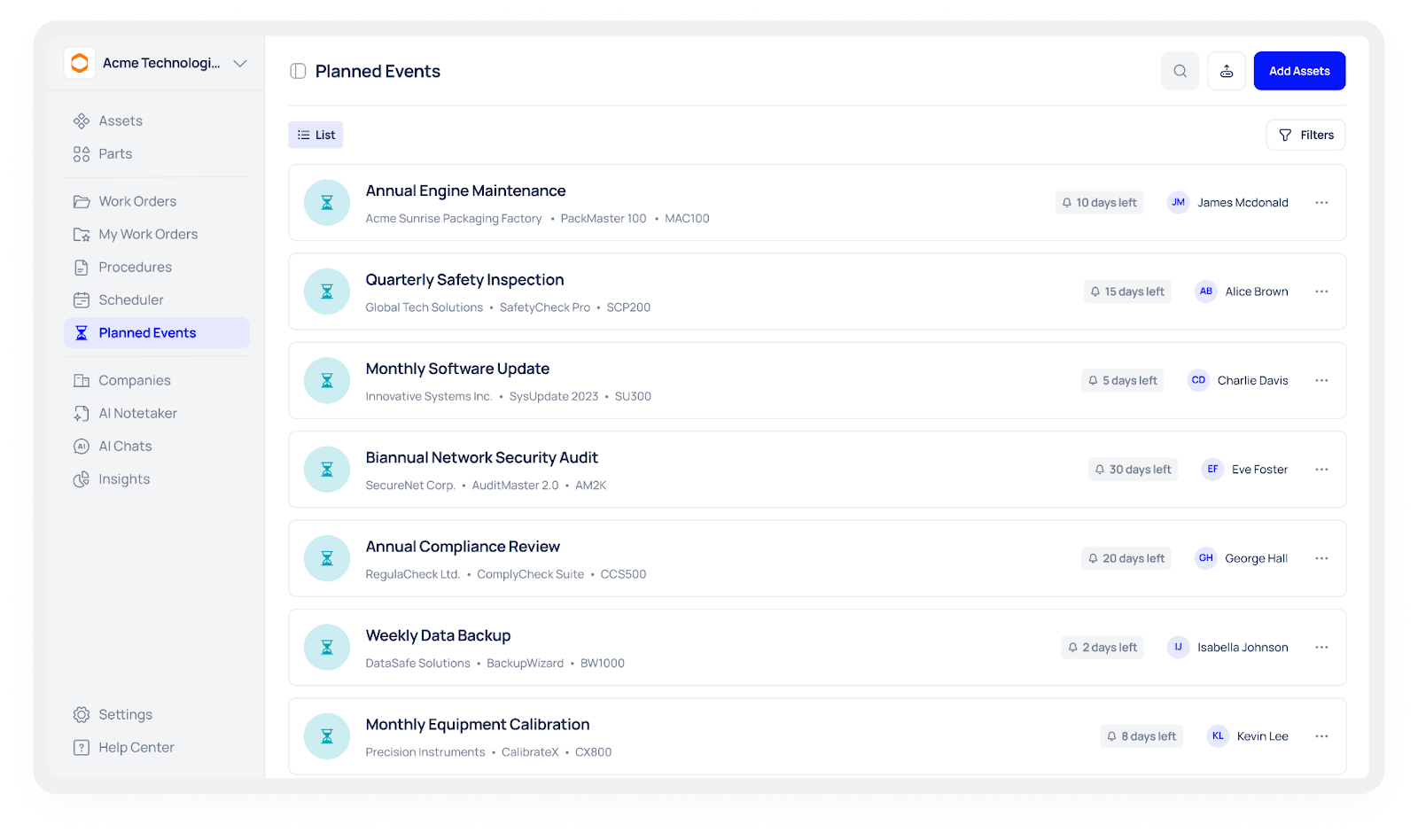
- Schedule time-based preventive maintenance
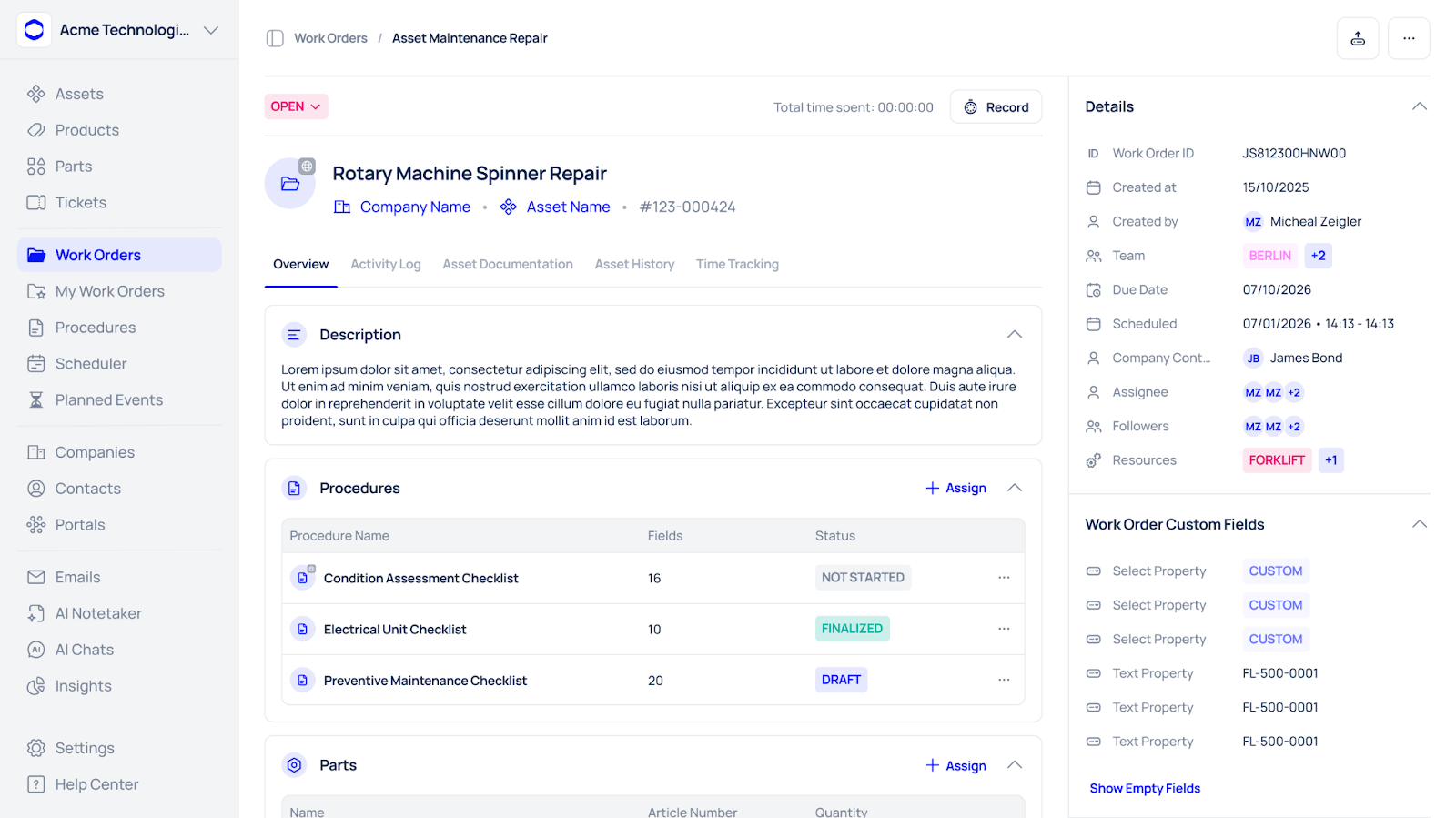
- Assign and track work orders easily
- Monitor PM compliance
- Gradually reduce emergency repairs
Instead of scrambling after every breakdown, you start preventing them.
If you're ready to move from firefighting to control, see how Makula can support your preventive maintenance strategy.