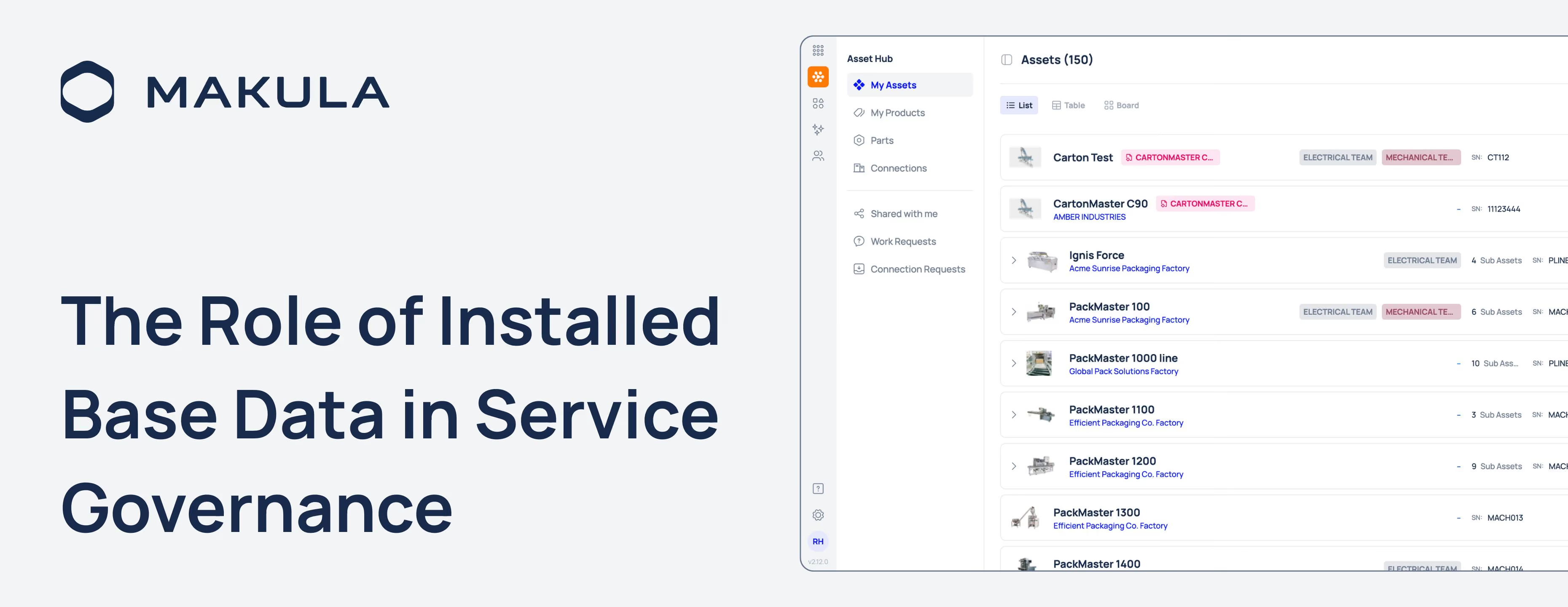
Service governance is at the heart of ensuring efficient, compliant, and customer-centric service operations. Yet, without accurate, up-to-date installed base management, businesses are left in the dark when it comes to understanding the true state of their assets in the field.
Installed base data, which tracks all products and assets deployed at customer sites, is essential for managing service operations with precision. It is much more than just a static administrative record; when used effectively, it becomes a key driver of strategic decision-making, compliance, and service efficiency.
In this guide, we’ll explore the pivotal role of installed base data in service governance, ensuring compliance, streamlining service processes, and fostering data-driven decisions for long-term operational success.
The Intersection of Installed Base Data and Service Governance
Installed base data serves as the foundation for service governance, offering businesses visibility into the lifecycle and performance of every asset in the field.
At its core, effective service governance relies on knowing exactly where assets are located, their current condition, and what services have been performed.
This comprehensive knowledge allows for several key benefits in service governance:
- Efficiency in Service Delivery: Accurate installed base data enables service teams to plan interventions based on actual asset conditions rather than assumptions or outdated information.
- Compliance Management: Properly tracked assets ensure that businesses meet regulatory and contractual service requirements, reducing risk and ensuring consistency across all service agreements.
- Optimised Resource Allocation: By understanding the asset landscape, organisations can better allocate their resources, focusing on high-priority or high-risk assets.
Related Article: Managing Installed Base Data Without Chaos
The Lifecycle of Installed Base Data in Service Governance
Just as assets evolve throughout their lifecycle, so too does installed base data. For effective service governance, it’s important to understand how installed base data must be managed and maintained throughout the entire asset lifecycle.
- Acquisition: The service journey begins when an asset is sold or installed. Capturing accurate and complete data at this stage, including model numbers, installation details, and warranty terms, forms the basis of all future service decisions.
- Integration & Synchronisation: Installed base data doesn’t exist in isolation. It needs to be integrated across various systems, including CRM, ERP, and Service Management tools, to ensure a unified view of asset performance. This integration is critical for service teams to track ongoing maintenance, upgrades, and potential service needs in real-time.
- Ongoing Management: As assets undergo routine maintenance, part replacements, or software updates, their records must be continuously updated. A service governance model ensures these updates are captured promptly and accurately, reducing service errors and miscommunications.
- Analytics and Assessment: The final stage of data lifecycle management involves using installed base data to inform strategic decision-making. Service managers can identify patterns, anticipate upcoming needs, and adjust maintenance schedules based on comprehensive, data-driven insights.
Explore how Makula's Installed Base Management module functions:
Overcoming Organisational Barriers in Service Governance
Achieving effective governance is often hindered by organisational silos and misaligned priorities. For example, sales teams may focus on who purchased the asset, while service teams are concerned with its maintenance history.
Without a unified approach to managing installed base data, this disjointed flow of information leads to inefficiencies and compliance risks.
Cross-functional collaboration is essential for effective governance. Service, sales, and operations teams must collaborate to ensure that installed base data is accurate and continuously updated, ensuring a seamless service delivery process that benefits both the business and the customer.

Ensuring Compliance with Installed Base Data
One of the most important roles of installed base data in service governance is ensuring that businesses remain compliant with industry regulations and service agreements.
In many industries, compliance is non-negotiable, and maintaining accurate asset records is key to avoiding penalties and legal issues.
- Regulatory Compliance: Installed base data ensures that companies can demonstrate compliance with regulations related to equipment maintenance, safety standards, and service warranties.
- Contractual Compliance: Accurate data also supports the enforcement of service-level agreements (SLAs), helping to meet commitments such as service response times and asset uptime guarantees.
By continuously tracking asset performance and maintenance history, businesses can proactively address potential compliance issues before they arise, preventing costly mistakes and maintaining customer trust.
Related Article: Compliance & Safety in Machinery Field Service – What OEMs Need to Know
Leveraging Technology for Better Service Governance
Modern technologies like IoT sensors and Digital Twins play an increasingly important role in enhancing service governance.
By providing real-time data on asset conditions, these technologies help businesses manage their installed base data with greater precision:
- IoT Sensors: These sensors collect real-time data on asset performance, such as usage hours, temperature, and operating conditions. This data feeds into service management systems, allowing service teams to make informed decisions based on current asset conditions.
- Digital Twins: Virtual replicas of physical assets, Digital Twins offer service teams a complete, up-to-date view of an asset’s health and configuration, allowing for predictive maintenance and more efficient service planning.
When combined with Service Lifecycle Management (SLM) platforms, these technologies create a comprehensive view of assets in the field, ensuring that data is accurate, actionable, and integrated into the service governance framework.
Measuring the Success of Service Governance with Installed Base Data
Effective service governance is only as good as its outcomes. To measure success, businesses must track key performance indicators (KPIs) related to both service efficiency and compliance.
- Service Efficiency: Metrics like First-Time Fix Rate and Scheduled Maintenance Completion can indicate how well your service teams are executing maintenance tasks. High performance in these areas often correlates with accurate installed base data.
- Compliance Rates: Compliance metrics track how well the organisation adheres to regulatory and service agreement requirements. Accurate data ensures that the company is meeting legal and contractual obligations without fail.
These KPIs provide tangible evidence of the effectiveness of your installed base data management and its impact on service governance.
Best Practices for Managing Installed Base Data in Service Governance
To maximise the role of installed base data in service governance, consider these best practices:
1. Centralise Data Ownership:
Establish clear ownership of installed base data across departments. This ensures consistent updates, accurate records, and accountability for data accuracy.
2. Automate Service Alerts:
Automate maintenance reminders and service alerts based on key asset data points (e.g., installation dates, service history).
3. Leverage Integrated Systems:
Use Service Lifecycle Management (SLM) platforms to centralise data, integrate systems, and ensure that service teams have access to the most up-to-date asset information.
Conclusion: Unlocking the Strategic Power of Installed Base Data
Installed base data is not just a tool for tracking assets; it’s a cornerstone of effective service governance. By managing this data accurately and strategically, businesses can drive service efficiency, ensure regulatory compliance, and optimise customer retention.
With the right governance framework in place, installed base data evolves from a simple record-keeping tool into a strategic asset that fuels business growth and long-term success.
Ready to unlock the full potential of your installed base data? Book a demo with Makula today to see how our solutions can help you streamline service governance, enhance operational efficiency, and drive better business outcomes.