
For high-value equipment manufacturers, the sale of machinery is only the starting point of a commercial relationship. As assets spread globally, many OEMs lose sight of their products once they leave the factory floor. This “installed base blind spot” creates operational chaos.
Without accurate visibility of where assets are, who owns them, and how they perform, organisations are effectively operating in the dark. Installed base management is not just a list of serial numbers. It is the backbone of profitable service operations, transforming raw data into actionable intelligence. Without it, service teams operate reactively, supply chains remain inefficient, and revenue opportunities are lost.
Before you read further, here's a snapshot of what Makula's Installed Base Management module looks like:
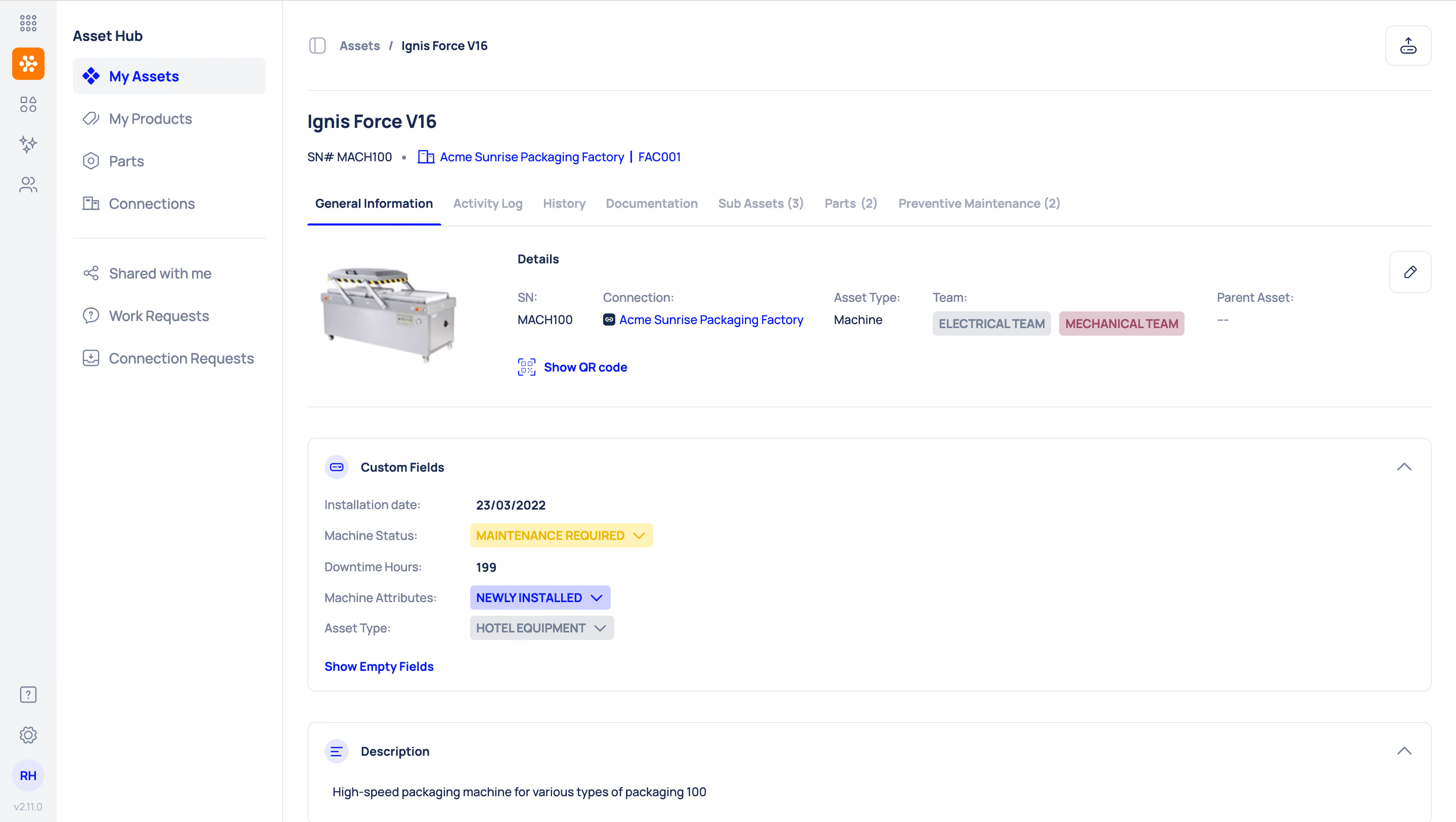
This article explores why installed base data management is critical, the challenges that lead to data chaos, and how OEMs can regain control to drive after-sales optimisation.
Why Data Integrity Erodes Quickly
Ideally, an OEM’s database should reflect reality, but in practice, data chaos sets in almost immediately.
- Assets move between facilities
- Equipment changes ownership
- Components are swapped by third-party technicians
If these changes are not captured systematically, the gap between what systems report and what exists in the field grows, creating fragmented installed base data.
The culprit is often siloed systems: CRM for sales, ERP for manufacturing, and separate ticketing tools for service. Without a unified Service Lifecycle Management (SLM) approach, systems fail to communicate. Technicians might update field records, but if this data does not sync centrally, engineering remains unaware of critical asset changes.
The Consequences of Poor Visibility
Fragmented data creates operational, financial, and customer risks:
- Operational Inefficiency: Service teams waste time verifying basic asset details before acting.
- Missed Revenue: Sales cannot identify customers due for warranty renewals or technology upgrades.
- Customer Frustration: Asking a client, “Which machine do you own?” damages trust.
Related article: How Field Service Management Visibility Can End Reactive Service Operations
Improving Field Service Data Accuracy
Field technicians rely on accurate information to resolve issues on the first visit.
If asset data is incorrect, technicians may:
- Bring wrong parts or incorrect skills
- Service the wrong machine
- Repeat visits, raising costs and eroding trust
A structured approach provides the “as-maintained” view of the asset, including firmware, configuration, and previous part replacements, enabling technicians to act with precision.
Related article: Installed Base Management: The Complete Guide for OEMS
Unlocking After-Sales Service Optimisation
The service department is increasingly a growth engine, not just a cost centre. Proactive service requires complete visibility of installed assets.
With structured installed base data, OEMs can:
- Segment customers effectively
- Tailor service offerings to lifecycle stage
- Move from break-fix to predictive service
Related article: How After-Sales Service Generates Up to 2.5× More Profit Than New Machine Sales
Maximising Warranty and Service Revenue
Revenue leakage often happens when entitlement data is missing or inaccurate:
- Free repairs authorised for expired warranties
- Customers billed for covered work, creating disputes
Accurate installed base data enables automated, precise entitlement checks, protecting margins and ensuring legitimate revenue is captured.
Strategic Forecasting and Supply Chain Efficiency
Supply chain managers face a constant balancing act between inventory and service levels.
Installed base intelligence enables:
- Predictive spare parts forecasting
- Regional stock placement based on asset density
- Reduced shipping costs and improved response times
Leveraging Product Lifecycle Analytics
Clean installed base data also drives long-term product improvements:
- Identify systemic failures across customer sites
- Improve designs for high-failure components
- Reduce future warranty claims
Accurate data is also the foundation for digital service transformation, enabling real-time asset monitoring and preventive maintenance events.
Steps to Regain Control
- Conduct a Data Audit: Identify duplicates, ghost assets, and incomplete profiles.
- Centralise the Truth: Create a “Golden Record” for each asset across ERP, CRM, or SLM platforms.
- Empower the Edge: Enable technicians and customers to update assets in real-time with mobile tools.
See how Makula's Installed Base Management keeps track of asset history and machine maintenance data:
Conclusion
Managing a global installed base doesn’t have to be chaotic. By treating installed base management as a strategic priority, OEMs can:
- Optimise after-sales service
- Improve spare parts planning
- Unlock digital field service transformation
Manufacturers who know exactly what they have sold, where it is, and how to service it efficiently will win in an increasingly competitive market.
Ready to turn your installed base into a strategic advantage?
Book a free demo with Makula to see how our field service solution can help you gain visibility, optimise after-sales service, and scale digital operations confidently.