It is a scenario that plays out in maintenance offices across the United Kingdom far too often. A critical machine goes down, grinding production to a halt and causing immediate panic. When the team scrambles to check the maintenance logs to see when the asset was last inspected, the entry is blank.
Why? It wasn't because the technician lacked the skills to do the job. It wasn't because the tools were unavailable. Most often, it happened simply because nobody was reminded it was time.
"We miss PMs because nobody reminded the right person." It sounds like a simple administrative oversight, but these PM reminder failures are a silent killer of reliability.
The Danger of Relying on Human Memory
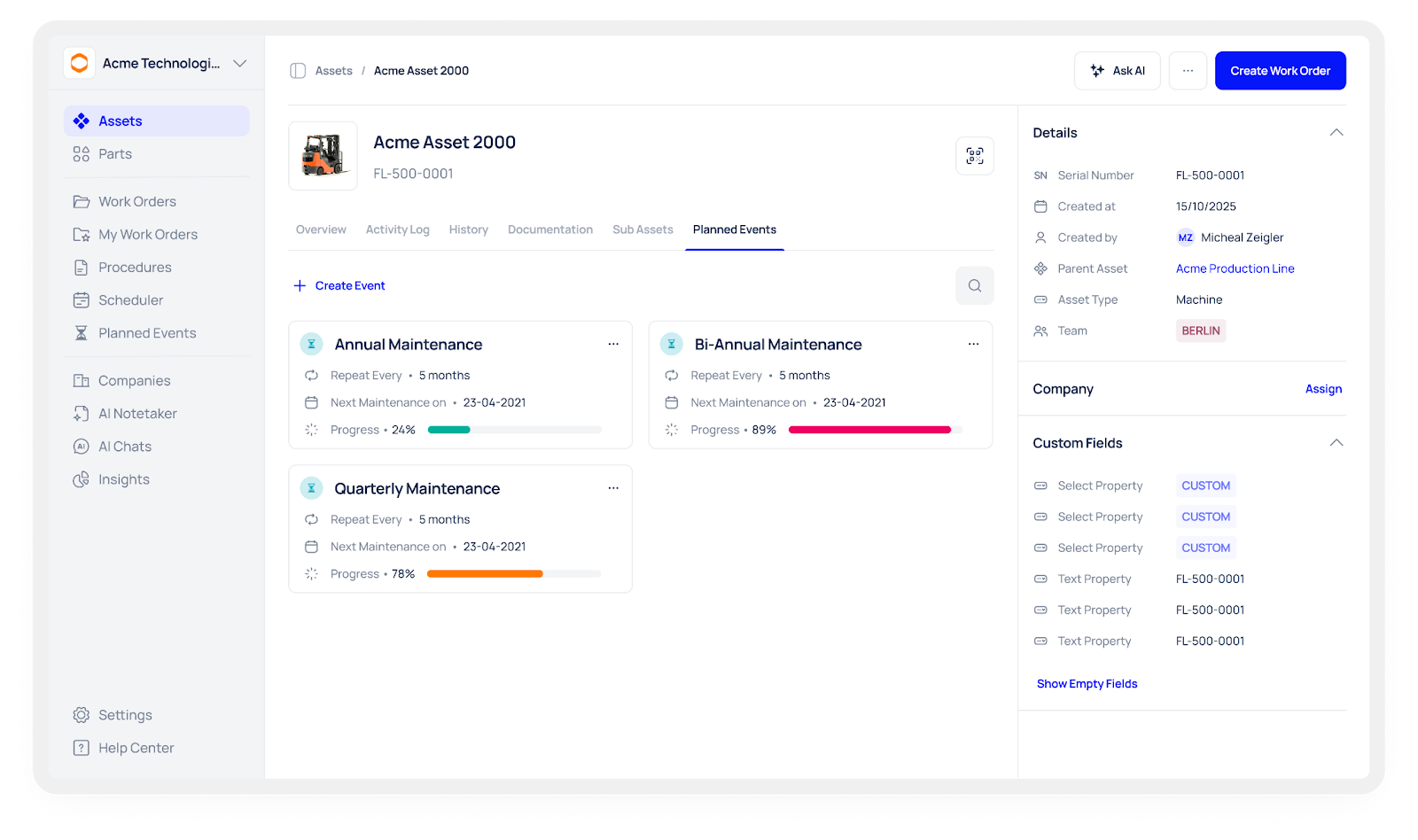
In many facilities, the maintenance schedule lives on a whiteboard, a complex spreadsheet, or, most worryingly, inside the maintenance manager's head instead of in a centralised, time-based CMMS. This system relies entirely on someone remembering to check the date, create a task, and manually assign it instead of using automated, time-based scheduling and reminders built into a modern maintenance system.
But humans are fallible. We get busy, we get distracted by urgent breakdowns, and we forget. When your maintenance strategy depends heavily on manual prompts, you are essentially gambling your equipment's health on a busy manager’s memory.
The difference between a robust system and a fragile one often comes down to how work is triggered.
Feature Comparison
The Real Cost of Silence
When a reminder doesn't go out, the silence is expensive. PM reminder failures don't just result in untidy paperwork; they lead to accelerated wear and tear. A bearing that needed greasing last week might seize today. A filter that should have been changed becomes clogged, straining the motor.
These small lapses accumulate. What starts as a missed calendar notification eventually manifests as unplanned downtime, expensive emergency repairs, and frustrated technicians who are forced to fix breakdowns that were entirely preventable.
Breaking the Cycle
If your team is constantly chasing their tails because inspections are slipping through the cracks, it is time to look at your notification process. You cannot expect 100% reliability from your machinery if you don't have 100% reliability in your scheduling.
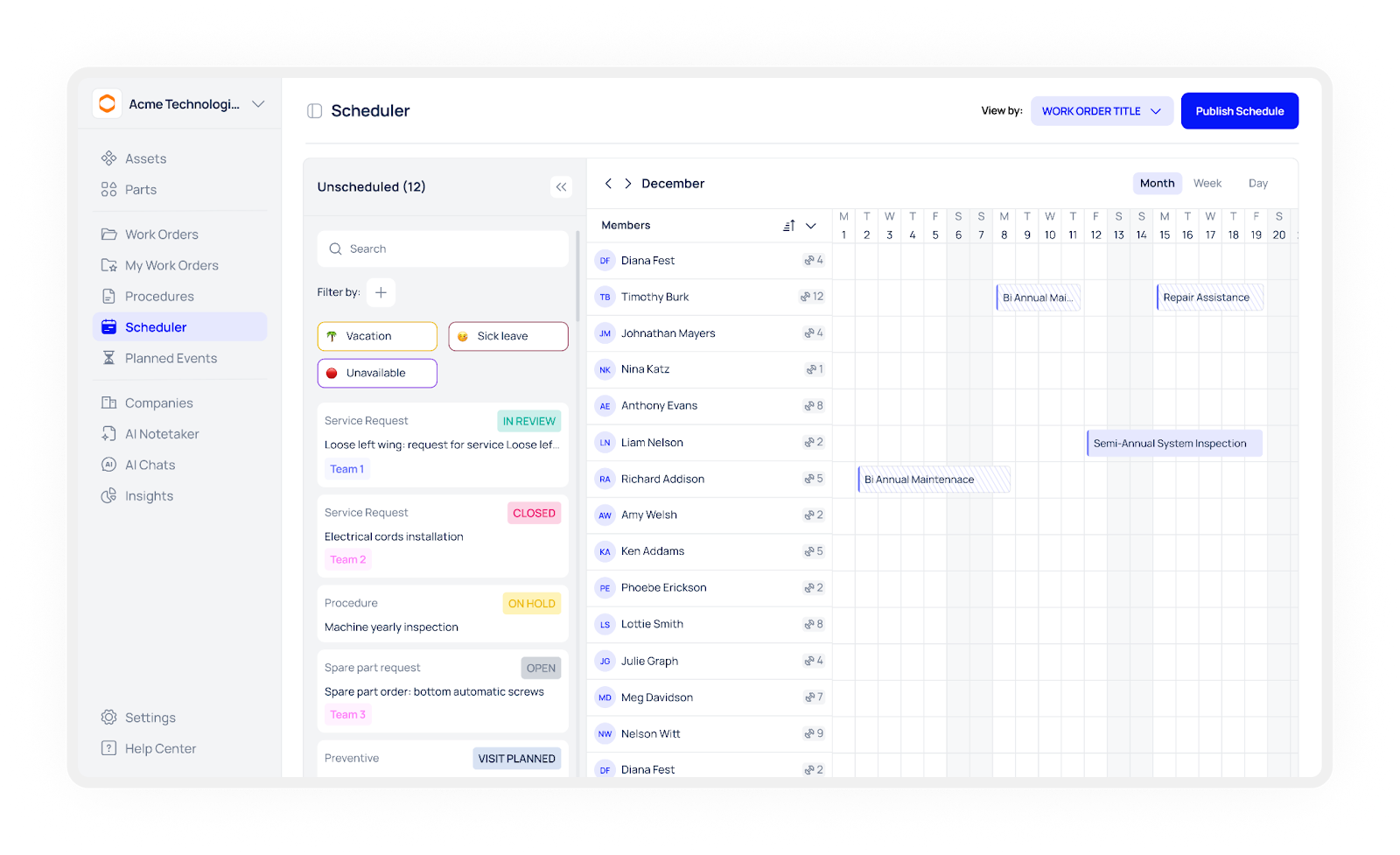
Ensuring the right person gets the right message at the right time shouldn't be a manual task, it should be guaranteed through a centralised, time-based CMMS that automates reminders and keeps a digital audit trail.
Makula CMMS automates time-based PM scheduling, sends reminders to the assigned technician, and keeps a digital audit trail — reducing missed inspections and improving equipment reliability.
Quick Checklist to Avoid Missed PMs
- Are PM reminders enabled and sent to a named owner?
- Does each PM have a clear due date and assigned technician or team?
- Is there a digital audit trail showing when a reminder was sent and when the PM was completed?
- Are escalation rules in place if a PM remains uncompleted after a set number of days?
The Bottom Line
Relying on human memory or manual reminders puts equipment and productivity at risk. Moving to a time-based CMMS ensures that preventive maintenance is scheduled reliably, reminders are sent automatically, and accountability is clear. Teams can stop worrying about forgetting PMs and start focusing on completing them efficiently and safely.