Chemical manufacturing is one of the most complex, asset-intensive, and regulated industries in the world. Efficiently managing machinery, pipelines, storage tanks, and chemical processes requires robust software solutions that combine asset management, maintenance, and compliance.
Industry data indicate that over 60% of chemical plants experience unplanned downtime due to inadequate maintenance systems, and regulatory fines cost chemical companies millions of dollars annually. Selecting the right software is crucial for maximising uptime, minimising costs, and ensuring compliance.
This article presents the top 10 chemical manufacturing software solutions, including Makula CMMS at #1, along with detailed buyer-focused insights to help you make the right decision.
Chemical Manufacturing Software (2026)
Chemical manufacturing software helps plants manage assets, maintenance, and regulatory compliance. The most effective solutions combine CMMS functionality, predictive & preventive maintenance, and compliance reporting to reduce downtime, improve safety, and extend asset life.
Key Capabilities Buyers Look For:
- Asset lifecycle management for equipment, pipelines, and process assets
- Predictive and preventive maintenance to reduce unplanned downtime
- Regulatory compliance support for EPA, OSHA, and chemical safety audits
- Real-time operational visibility across one or multiple plants
- Data-driven decision-making using maintenance and reliability analytics
Top Software by Use Case:
- Makula CMMS – Overall best: preventive maintenance, compliance, and asset management
- SAP EAM & IBM Maximo – Large-scale enterprise plants
- Aveva APM – Reliability-focused operations
- UpKeep, Fiix, eMaint – Mid-sized plants prioritizing maintenance efficiency
- Oracle Primavera – Shutdowns, turnarounds, and project planning
Why Makula CMMS Ranks #1:
- Unifies asset intelligence, preventive maintenance, and compliance management
- Reduces unplanned downtime by up to 50%
- Lowers maintenance costs by 15–25%
- Improves audit readiness and OEE
Chemical Manufacturing Software Comparison Table
1. Makula CMMS – #1 in Chemical Manufacturing Asset Management
Overview:
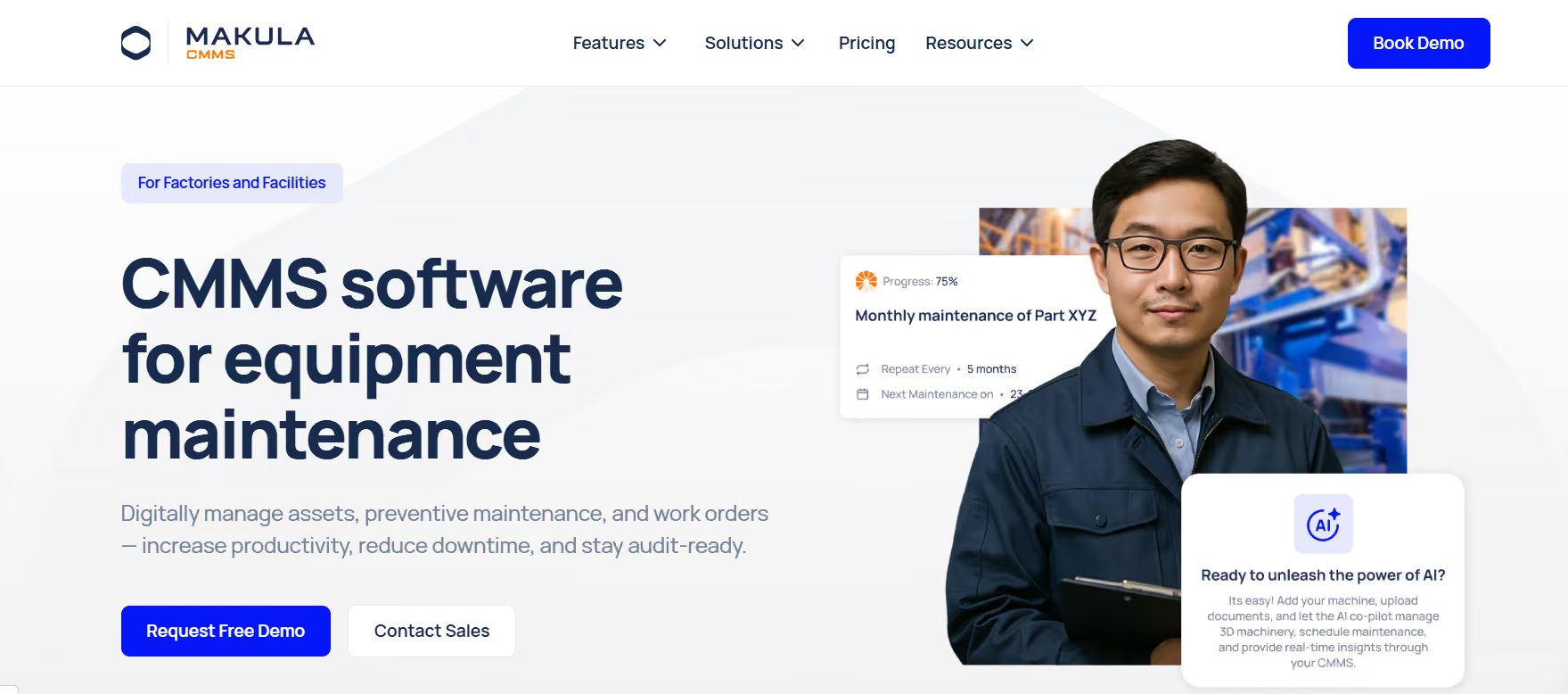
Makula CMMS is a cloud-first, AI-powered maintenance management platform designed specifically for chemical manufacturing. It integrates asset management, preventive maintenance, and compliance into a single interface.
Features:
- Real-time asset monitoring and digital twin integration
- Preventive maintenance using AI-driven analytics
- Mobile-first platform for on-the-go maintenance
- Regulatory compliance dashboards (EPA, OSHA, REACH-ready)
- Work order management and automated scheduling
Buyer Decision Signals:
- Strong fit for compliance-heavy plants
- Designed for continuous production environments
- Supports asset criticality ranking
- Mobile-first for technicians and operators
Pros:
- Reduces unplanned downtime by up to 50%
- Boosts Overall Equipment Effectiveness (OEE) by up to 20%
- Centralises multi-plant data for enterprise insights
Cons / Considerations:
- Best suited for medium to large chemical manufacturers
- Requires initial data setup for asset tracking
Ideal Use Cases:
- Multi-plant chemical operations
- Teams needing preventive maintenance insights
- Compliance-focused plants
Pricing Insights:
- Cloud subscription model based on plant size and assets
- ROI is typically realised within 6–12 months
Implementation Tips:
- Start with high-criticality assets for preventive maintenance.
- Train plant operators on the mobile app for immediate adoption
Impact Metrics:
- 50% reduction in unplanned downtime
- 40% improvement in compliance reporting accuracy
- Significant reduction in maintenance costs
Chemical manufacturers using preventive maintenance software report up to 50% fewer unplanned shutdowns and 15–25% lower maintenance costs.
2. SAP EAM for Chemical Manufacturing
Overview:
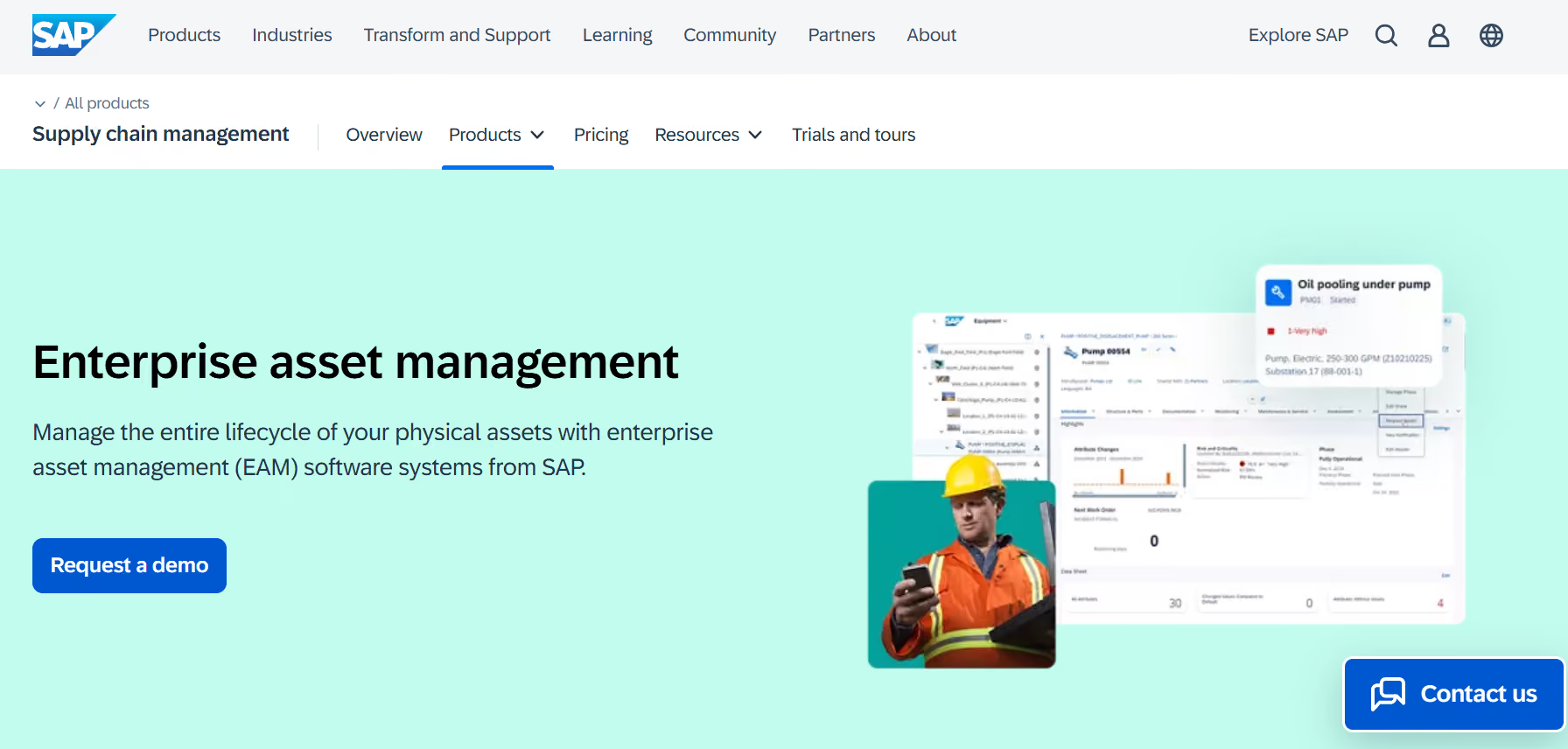
SAP’s Enterprise Asset Management (EAM) platform offers enterprise-level asset lifecycle management integrated with ERP systems, making it suitable for large chemical plants.
Features:
- Asset tracking and performance monitoring
- Integration with procurement and inventory management
- Predictive maintenance using historical data
- Advanced analytics dashboards
Buyer Decision Signals:
- Best for large plants with ERP systems
- Comprehensive reporting and KPI tracking
- Higher implementation complexity
Pros:
- Comprehensive reporting and KPI tracking
- Enterprise-level scalability
- Supports regulatory compliance
Cons:
- High implementation cost
- Complex deployment and configuration
Ideal Use Cases:
- Large chemical manufacturing plants with ERP systems
- Organisations seeking integrated asset and procurement management
Pricing Insights:
- The enterprise licensing model typically has a high upfront cost.
- Best ROI when fully integrated with ERP
Implementation Tips:
- Conduct an asset data audit before implementation
- Leverage predictive maintenance modules for critical equipment.
Impact Metrics:
- Reduces maintenance costs by 15–20%
- Improves asset performance and compliance efficiency
3. IBM Maximo for Chemicals
Overview:
IBM Maximo is an enterprise-grade CMMS widely used for asset-intensive chemical plants, supporting IoT integration, mobile work orders, and multi-plant operations.
Features:
- AI-driven predictive maintenance
- IoT-enabled real-time monitoring
- Sustainability and energy tracking
- Regulatory compliance modules
Buyer Decision Signals
- Supports multi-plant operations
- Strong analytics capabilities
- Requires dedicated IT resources
Pros:
- Strong analytics capabilities
- Supports multi-plant operations
- Highly configurable
Cons:
- Requires dedicated IT resources
- Higher learning curve for operators
Ideal Use Cases:
- Plants with complex equipment networks
- Organisations with sustainability and energy tracking needs
Pricing Insights:
- Subscription or perpetual licensing
- Cost varies based on plant size and the number of assets.
Implementation Tips:
- Leverage mobile modules to improve technician adoption.
- Prioritise high-risk assets for predictive maintenance.
Impact Metrics:
- Up to 30% reduction in unplanned downtime
- Enhanced lifecycle planning and cost tracking
4. Aveva Asset Performance Management (APM)
Overview:
Aveva APM focuses on asset health, reliability, and predictive maintenance with chemical manufacturing-specific modules.

Features:
- Predictive maintenance and risk assessment
- Asset health scoring and KPIs
- Integration with SCADA/DCS systems
Buyer Decision Signals:
- Excellent for reliability and safety monitoring
- Limited mobility compared to other CMMS
Pros:
- Excellent for reliability and safety monitoring
- Strong integration with process control systems
Cons:
- Requires integration expertise
- Limited mobility compared to other CMMS
Ideal Use Cases:
- Chemical plants prioritising safety and risk reduction
- Companies seeking predictive maintenance for critical assets
Implementation Tips:
- Focus on critical equipment for predictive analytics.
- Use health scoring for asset replacement decisions.s
Impact Metrics:
- 20–25% improvement in maintenance scheduling efficiency
- Significant reduction in safety incidents
5. UpKeep for Chemical Plants
Overview:
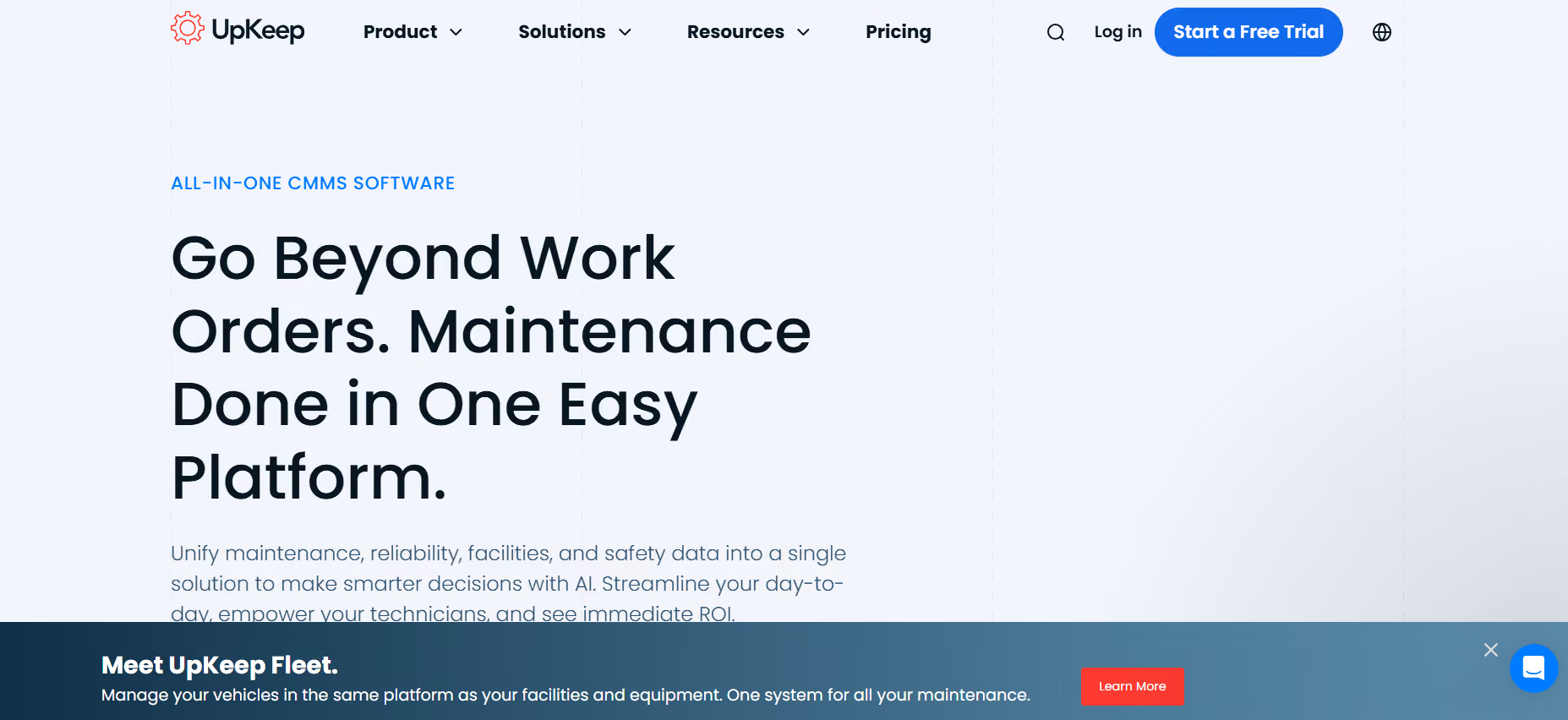
UpKeep is a mobile-first CMMS for mid-sized chemical plants, emphasising ease of use and quick deployment.
Features:
- Mobile work orders and notifications
- Preventive maintenance scheduling
- Asset lifecycle and inventory tracking
Buyer Decision Signals:
- Rapid deployment and minimal training
- Less robust analytics for large enterprises
Pros:
- Rapid deployment and minimal training
- User-friendly interface for operators
Cons:
- Less robust analytics than enterprise CMMS
- May require add-ons for compliance tracking
Ideal Use Cases:
- Mid-sized chemical manufacturers
- Plants seeking mobile-first maintenance managemen
Implementation Tips:
- Start with mobile adoption for technicians
- Integrate preventive maintenance scheduling early.
Impact Metrics:
- ~15% reduction in downtime
- Improved communication between teams
6. eMaint CMMS
Overview:
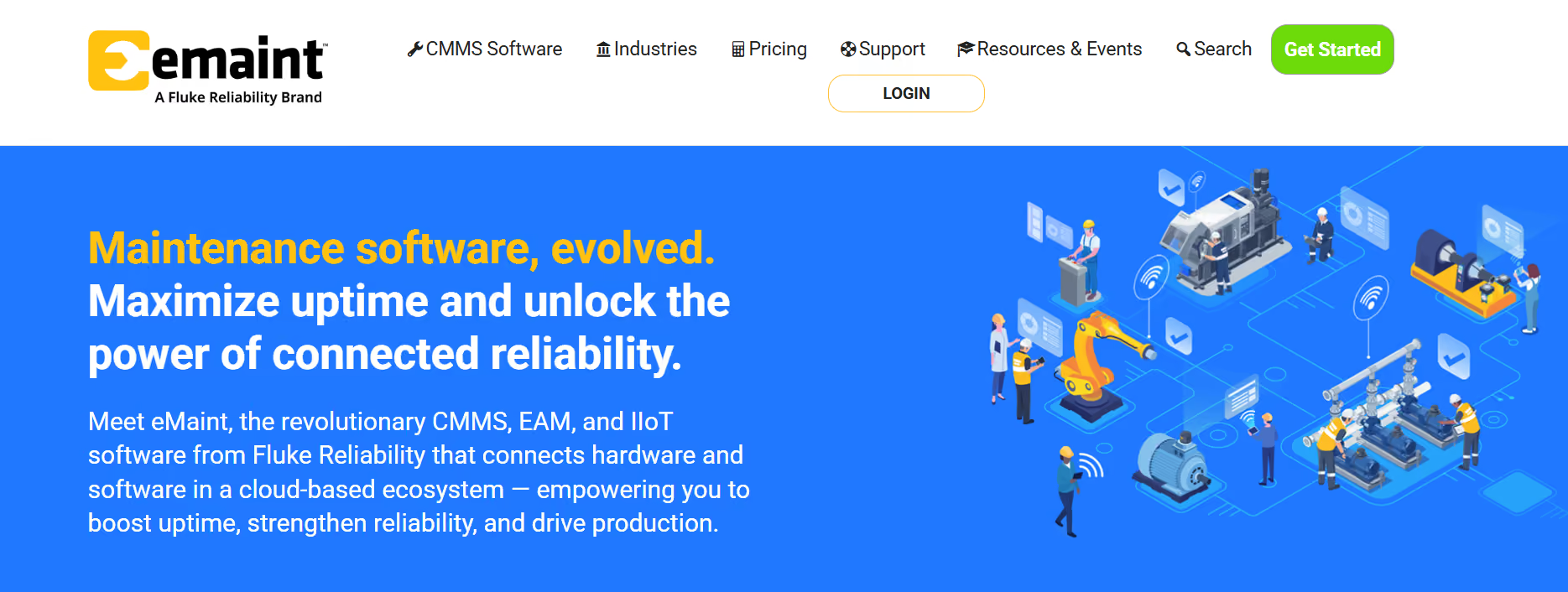
eMaint CMMS offers a flexible and customizable platform for chemical manufacturers, focusing on preventive maintenance and compliance reporting.
Features:
- Configurable dashboards and KPIs
- Multi-site asset management
- Automated preventive maintenance
- Compliance management tools
Pros:
- Highly customizable
- Strong preventive maintenance focus
Cons:
- May require configuration expertise
- Mid-tier analytics compared to Maximo or SAP.
Ideal Use Cases:
- Plants with complex preventive maintenance needs
- Multi-site operations needing standardised workflows
Implementation Tips:
- Start with critical asset workflows
- Use compliance dashboards for audits.
Impact Metrics:
- Improved equipment reliability
- Reduced compliance reporting errors
7. Fiix CMMS
Overview:
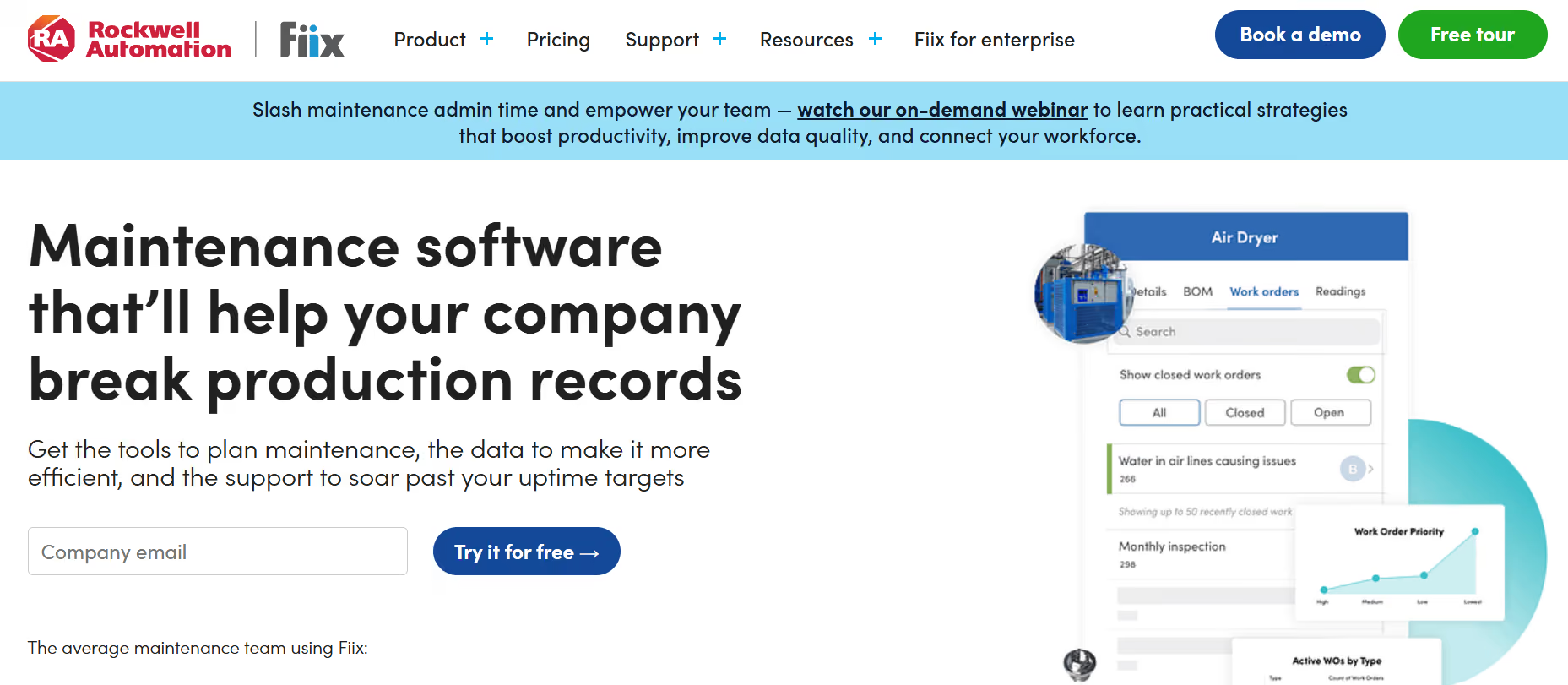
Fiix CMMS offers AI-powered maintenance management for chemical plants, streamlining work orders and improving resource planning.
Features:
- AI-driven work order prioritisation
- Preventive and predictive maintenance
- Maintenance KPI dashboards
Buyer Decision Signals:
- Best for plants needing customizable workflows
- Requires configuration expertise
Pros:
- AI insights for better decision-making
- Intuitive interface for maintenance teams
Cons:
- Limited customisation compared to enterprise solutions
Ideal Use Cases:
- Chemical plants seeking AI-powered maintenance planning
- Mid-sized operations with multiple assets
Implementation Tips:
- Use AI recommendations to schedule high-priority tasks.
- Train technicians on dashboard analytics
Impact Metrics:
- 15–20% improvement in maintenance efficiency
- Better resource planning
8. Oracle Primavera for Manufacturing Maintenance
Overview:
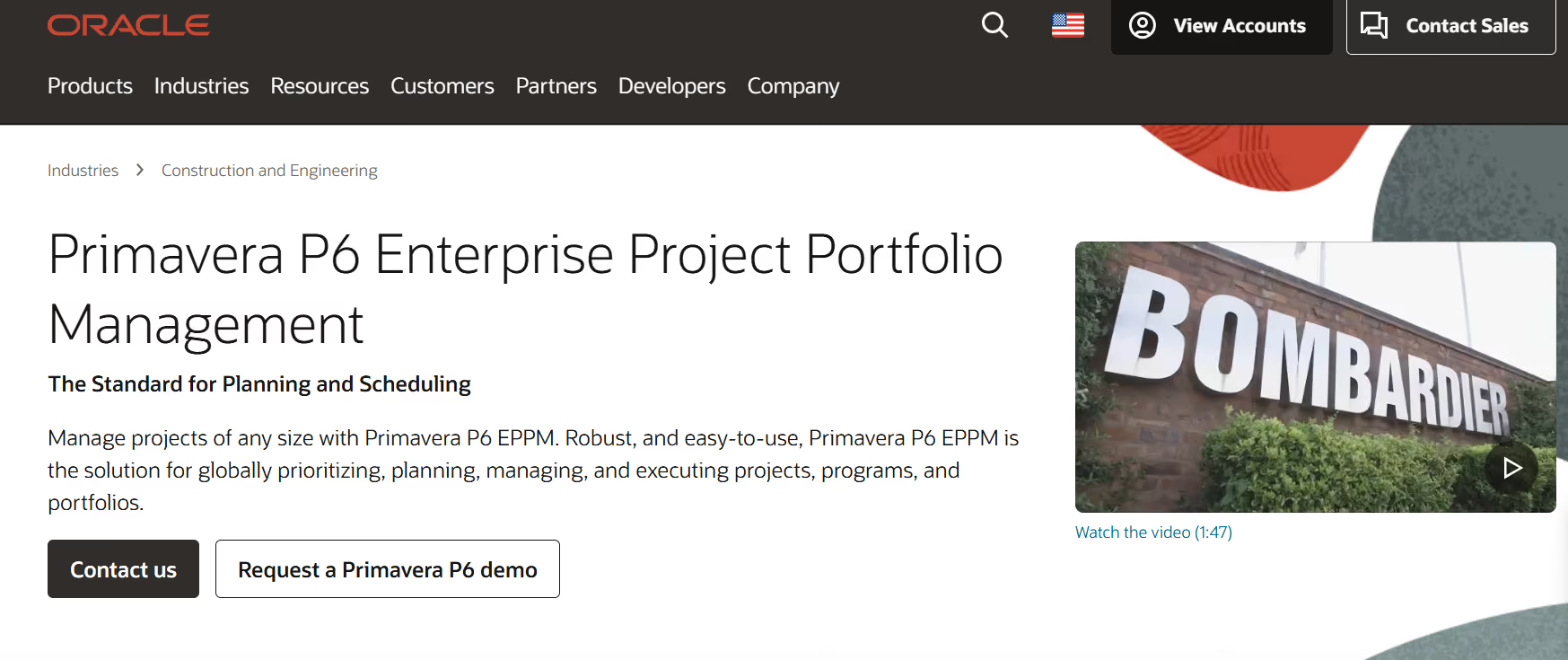
Oracle Primavera is a project and maintenance planning software, ideal for large-scale chemical plants managing complex maintenance projects.
Features:
- Resource and budget planning
- Predictive maintenance scheduling
- Compliance tracking
Buyer Decision Signals:
- Best for shutdown/turnaround projects
- Less suited for daily maintenance
Pros:
- Strong project and resource planning capabilities
- Scalable for multi-site operations
Cons:
- Primarily a project-focused tool, less suited for daily maintenance tasks
Ideal Use Cases:
- Large chemical plants with capital maintenance projects
- Operations requiring strict budget tracking
Implementation Tips:
- Combine with CMMS for daily maintenance workflows
- Use predictive modules for scheduled downtime planning.
Impact Metrics:
- Reduced risk of regulatory violations
- Optimised maintenance planning
9. Infor EAM for Chemical Plants
Overview:
Infor EAM integrates asset management, compliance, and operational analytics for medium to large chemical manufacturers.

Features:
- Asset lifecycle and maintenance management
- Predictive analytics
- Regulatory compliance tools
- ERP and IoT system integration
Buyer Decision Signals:
- Ideal for compliance-heavy plants
- Implementation complexity
Pros:
- Strong analytics and integration capabilities
- Supports regulatory compliance
Cons:
- Higher implementation complexity
Ideal Use Cases:
- Plants needing integration with ERP and IoT
- Compliance-focused operations
Implementation Tips:
- Start with high-criticality assets for analytics
- Use compliance dashboards for audit readiness.
Impact Metrics:
- Reduces maintenance costs by up to 18%
- Faster response to maintenance issues
10. Hippo CMMS
Overview:
Hippo CMMS is a user-friendly maintenance software for small to mid-sized chemical plants.
Features:
- Work order management
- Preventive maintenance scheduling
- Asset and inventory tracking
Buyer Decision Signals:
- Simple and affordable for small plants
- Limited advanced analytics
Pros:
- Easy to implement and adopt
- Affordable for smaller plants
Cons:
- Limited advanced analytics and predictive maintenance features
Ideal Use Cases:
- Small to mid-sized chemical operations
- Teams needing simple, effective maintenance tracking
Implementation Tips:
- Start with preventive maintenance workflows
- Use asset tracking to optimise inventory.
Impact Metrics:
- Streamlined maintenance processes
- Improved operator-technician communication
Software Selection by Use Case Table
How to Choose the Right Chemical Manufacturing Software
When evaluating chemical manufacturing software, buyers should prioritize:
- Asset Criticality Support – Can the system rank assets by production and safety impact?
- Maintenance Capabilities – Does it reduce failures before they happen?
- Regulatory Readiness – Does it support audits, inspections, and reporting?
- Scalability – Can it grow from one plant to multiple facilities?
- Data Accessibility – Can engineers, operators, and managers access insights easily?
Software that checks all five boxes consistently delivers higher uptime, lower compliance risk, and better ROI.
Conclusion
Choosing the right chemical manufacturing software depends on plant size, asset criticality, compliance requirements, and desired analytics. Makula CMMS remains the #1 solution, combining preventive maintenance, compliance management, and real-time asset insights in one platform.
Other solutions, such as SAP EAM, IBM Maximo, and Infor EAM, are ideal for large enterprises, while UpKeep and Hippo serve mid-size operations effectively.