You open the marketing spreadsheet. Then the sales tracker. Finally, the master inventory list. You stare at the screen and realise the same item exists in all three places, but the details don't match. One says "in stock," another says "sold," and the third has a different serial number entirely.
It is a sinking feeling many asset managers know well. When your organisation relies on disconnected spreadsheets, data chaos is inevitable. You aren't just losing time; you are losing trust in your own numbers. If you are constantly battling to verify which version of the truth is actually true, it is time for a proper asset duplicates cleanup.
The Hidden Cost of Spreadsheet Chaos
Why do we cling to spreadsheets? They are familiar, flexible, and free. Spreadsheets have been the backbone of business operations for decades, from small startups to massive enterprises. But when you start managing significant assets,s whether that’s IT equipment, fleet vehicles, product samples, or entire property portfolios, that flexibility becomes a massive liability.
Without a unified system to manage this data, each department, and sometimes even individuals within the same team, create their own data silos. Marketing tracks assets for campaigns, IT tracks them for maintenance, and Finance tracks them for depreciation or compliance. Over time, the result is a tangled web of contradictions, with multiple versions of the same asset existing across your organisation. This confusion grows with each new spreadsheet created or updated without strict oversight.
Here is what happens when duplicates run wild:
- Wasted Budget: You might buy new equipment because you cannot find the spare units sitting in a cupboard, recorded only on a forgotten spreadsheet. Over-ordering and unnecessary procurement drain valuable resources.
- Compliance Risks: If an audit happens, explaining why you have three different records for one asset is a nightmare. Regulatory fines or failed audits due to poor documentation can have serious consequences.
- Decision Paralysis: You cannot make strategic decisions when you don't know what you actually own. Leadership teams are left second-guessing which numbers to believe, slowing down or halting critical business projects.
- Time Drain: Valuable employee hours are wasted sorting through files, chasing up questions, or reconciling conflicting data instead of focusing on productive work.
Manual vs. Automated Cleanup: A Comparison
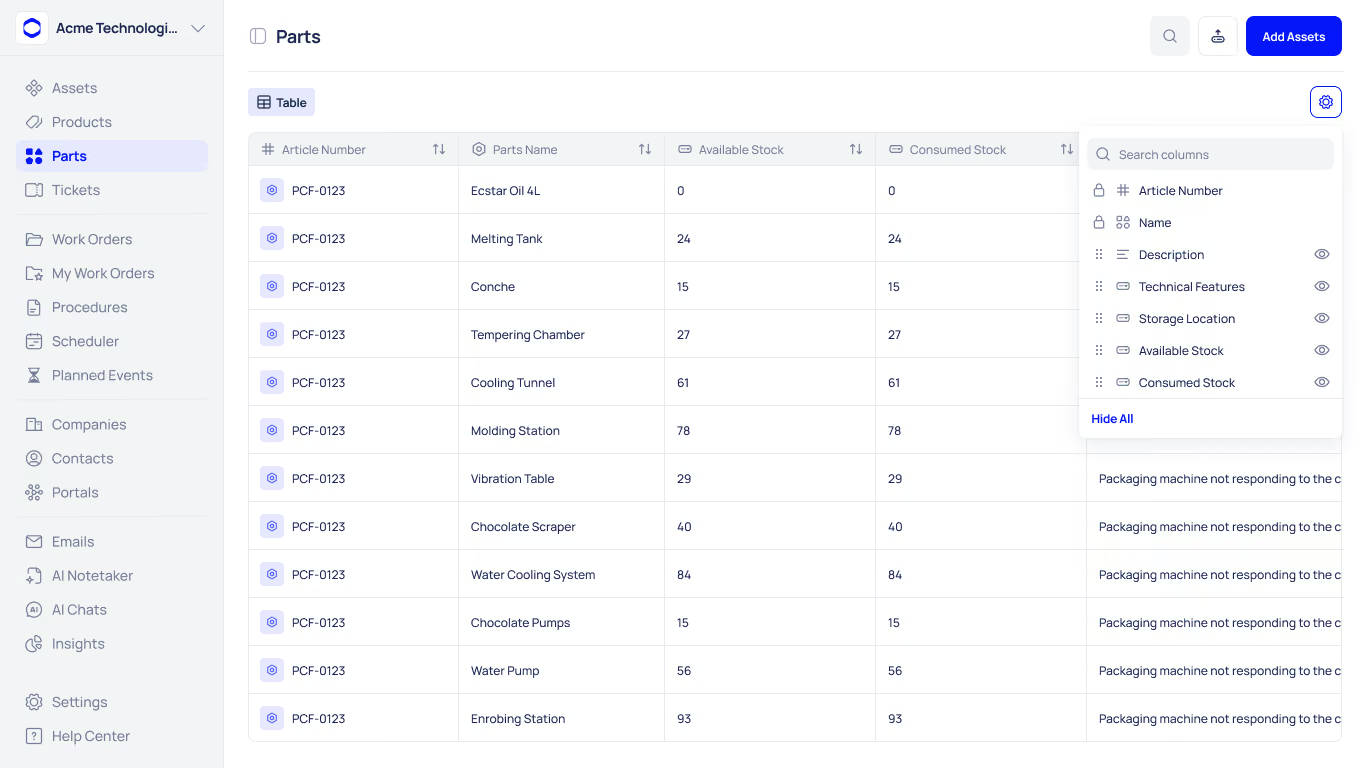
You might think you can solve this with a rainy afternoon and a lot of copy-pasting. Many teams, eager to show results, set aside time for a “data spring clean,” going line by line through multiple spreadsheets. However, manual asset duplicates cleanup is painstaking work and is notoriously prone to human error. Even with the best of intentions, tired eyes and swift fingers can miss discrepancies, introduce more errors, or even delete important data.
Let’s look at why taking a systematic, preferably automated, approach wins every time:
With automated tools, you can instantly spot duplicates across multiple spreadsheets, flag inconsistencies, and create reports that are always up to date. Plus, you gain peace of mind knowing every change is logged, so you’ll never have to wonder who updated an entry and when.
3 Steps to regain control of your data
If you aren't ready to move to a full software platform just yet, you still need a clear, actionable strategy to stop the bleeding and regain order. Here is how to approach your cleanup:
1. Establish a "Single Source of Truth"
Decide which spreadsheet is the primary, authoritative record, often called the master list. Is it the Finance register? The IT log? Or maybe the inventory compiled centrally by operations? Choose one and stick with it. All other sheets must bow to this master list for any major decisions or reconciliations. Inform every department that if an asset isn't in the master list, it doesn't officially exist. This might mean merging datasets at first, but it gives everyone a shared foundation going forward.
2. Standardise your naming conventions
Duplicates often hide behind slight spelling variations, abbreviations, or inconsistent terminology. “MacBook Pro 16” and “Apple Laptop 16-inch” might be the same device, but could look different to a computer and to team members in a hurry. Develop a strict naming convention for all assets that should cover how you record manufacturers, model numbers, purchase dates, and even locations. Stick this guide in a shared document that everyone can access. This makes your asset duplicates cleanup much faster because you can sort alphabetically, filter by attributes, and spot inconsistencies immediately.
3. Schedule regular audits
Don’t wait until the end of the financial year or until the chaos is unmanageable. Schedule a monthly or quarterly "reconciliation day" where teams cross-reference their section of the data with the master list. Encourage teams to log changes made and flag uncertainties immediately. Better yet, move towards a process or system that doesn’t allow duplicates to be created in the first place, and seek out simple add-ons, scripts, or free tools that help. Regular, proactive checks will keep your data clean and your teams aligned.
Stop the chaos today.
Managing assets shouldn't feel like detective work. By standardising your data, communicating clear conventions, and recognising the real dangers of spreadsheet silos, you can reclaim your time and budget and build confidence in every business decision. Your records become simpler, your audits become less stressful, and your teams can trust what they see on screen.
Ready to start tidying up your data right now? We have built a tool to help you merge those conflicting lists and make sense of your asset records. Take the first, easiest step towards a smarter, more efficient and less chaotic asset management system.