%20CMMS.avif)
It’s a scene that plays out in plants and factories across the country. A critical machine grinds to a halt, the red light flashes, and the maintenance team gets the call. The engineer identifies the failed component in minutes with a simple fix. All they need is the replacement part.
But then comes the call to the stores department that stops everything.
“We need a replacement motor for the main conveyor.”
“No problem,” the parts coordinator replies. “What’s the model number?”
Silence. A familiar sense of dread creeps in. The engineer is on the floor, squinting at a greasy, unreadable data plate. The manual covers three different versions of the machine. The digital asset register is no help; it just lists ‘Conveyor Motor’. As one frustrated engineer put it, “Parts people keep asking for model numbers we can’t find.”
This minor information gap isn't just a minor inconvenience; it's actually a significant flaw in your budget. It can trigger a chain reaction that leads to escalating costs for spare parts. Read this article to learn more about how to tackle these challenges.
The High Price of Guessing
When you can’t identify a part with 100% certainty, you’re forced to guess. In the high-pressure environment of a production shutdown, where every minute of downtime costs thousands, nobody wants to be the one who ordered the wrong part.
So, what does the team do? They hedge their bets.
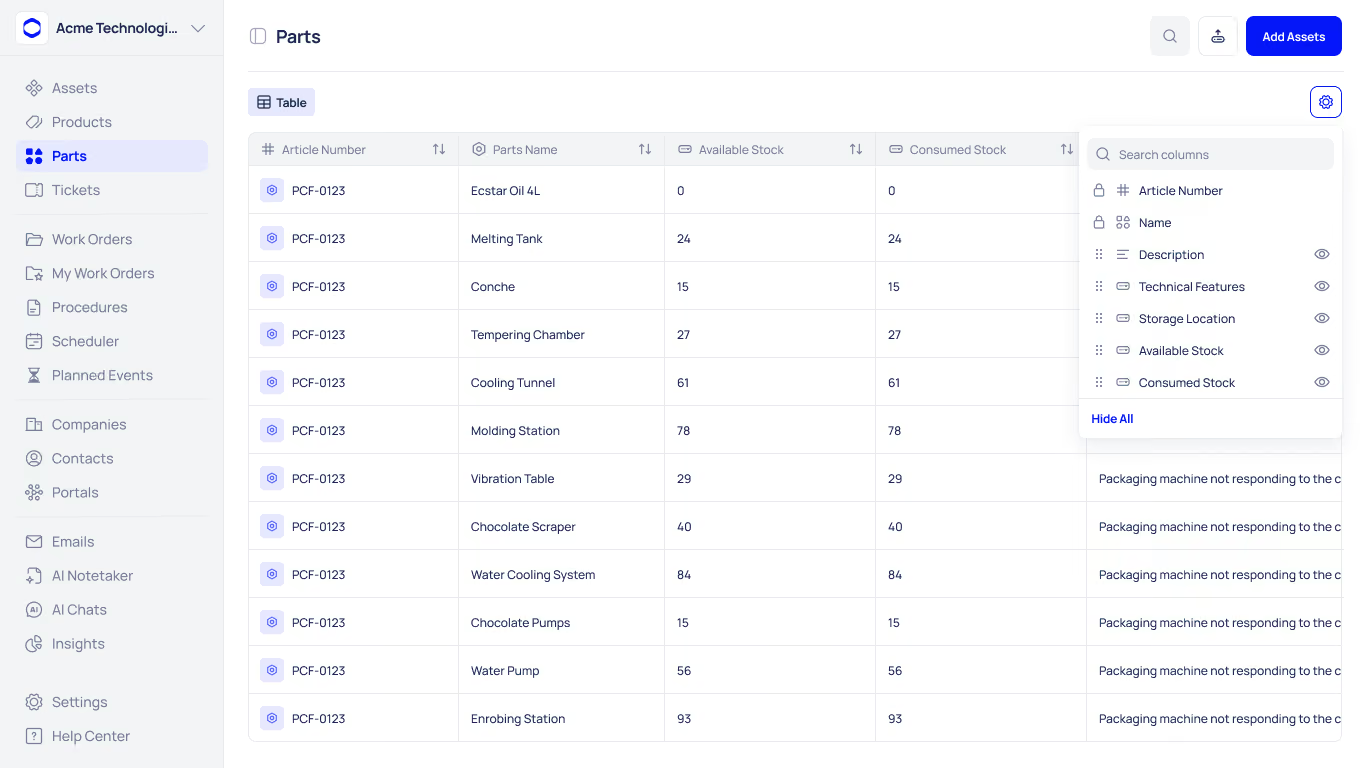
Instead of ordering the single £500 sensor they need, they order three different versions that look similar. The plan is to return the two unused parts, but that rarely happens. They end up on a shelf, "just in case" they’re needed again. This habit of over-ordering creates a shadow inventory that inflates your spare parts costs and ties up capital in components that just gather dust.
The ‘Emergency Shipping’ Surcharge
Uncertainty creates delay. The time spent trying to identify a part, climbing over machinery, calling retired technicians, or searching through old purchase orders is time you’re not ordering the part. By the time you finally figure it out, the window for standard next-day delivery has often closed.
The only option left is to pay a premium for emergency couriers, pre-9 am services, or even a dedicated taxi to get your line running again.
When you have accurate asset data at your fingertips, you can order the correct part within seconds of a diagnosis. When you don’t, you end up paying a hefty surcharge for your lack of information. While a single expedited shipping fee might seem small, it adds up to a significant and unnecessary drain on your budget over a year. These hidden logistics fees are a major driver of escalating spare parts costs.
The Phantom Inventory Problem
Poor asset visibility doesn't just affect what you buy; it impacts what you keep.
Many factory storerooms are mini-museums, filled with spares for machines that were scrapped years ago. Because the asset register was never updated when the machine was removed, the system continues to flag these parts as critical stock, leading to pointless re-ordering.
The opposite problem is just as costly. A machine might have been upgraded with a new motor two years ago, but if the records weren’t changed, you’re still stocking spares for the old, obsolete model. When the new motor fails, you not only face extended downtime because you don’t have the right part, but you also realise you’ve wasted thousands warehousing useless components.
To get a handle on spare parts costs, your inventory must accurately reflect your operational assets. If your asset data is blurry, your inventory strategy will be too.
Your Best Engineers Become Detectives
Perhaps the most overlooked expense is the misuse of your most valuable resource: your people. Your maintenance engineers are highly skilled professionals, paid to keep complex equipment running. They are not paid to be detectives, spending hours sifting through filing cabinets or scraping grime off data plates.
Every hour an engineer spends hunting for information is an hour they aren't fixing equipment or performing preventative maintenance. This reduces your team’s "wrench time," drives down efficiency, and can even lead to a greater reliance on expensive external contractors to handle the backlog.
When your data is centralised and accessible, an engineer can find a model number in seconds using a tablet or phone. This empowers them to focus on the high-value work they were hired to do.
Stop the Guesswork, Control the Costs
The root cause of exploding spare parts costs is rarely the price of the components themselves. It’s the chaos that surrounds the procurement process. It’s the rush orders, the wrong orders, and the duplicate orders.
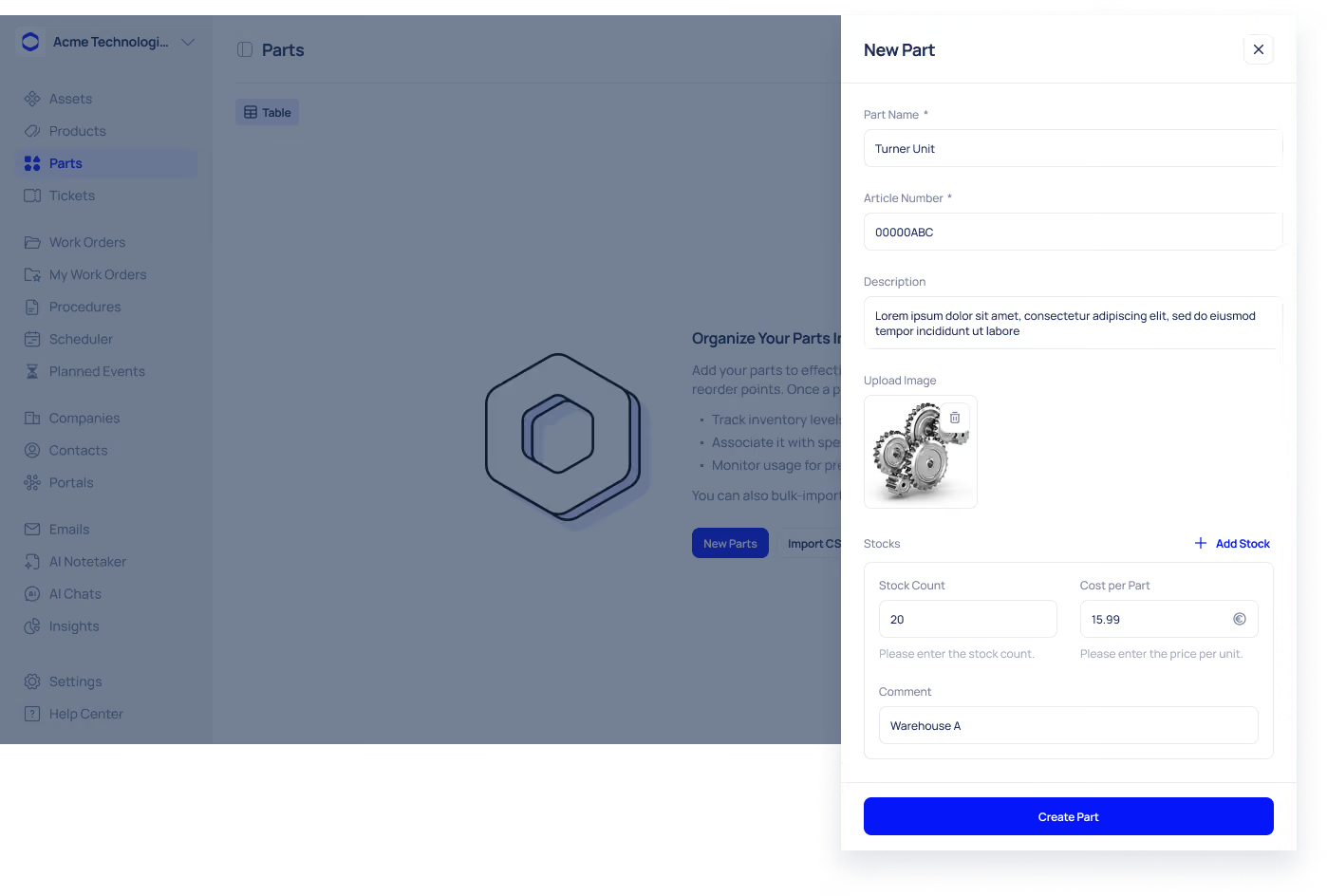
The solution starts with establishing a single source of truth, knowing exactly what you own, where it is, and what it needs. When you have a complete, verified asset register that links every physical machine to its critical data and spares list, the panic disappears. You stop buying based on hope and start making decisions based on data.
Stop the scramble. Stop the guesswork. Start saving.