In machinery manufacturing and OEM environments, where every minute of downtime erodes profits and customer trust, operating without strong analytics is like navigating in the dark. You have data from assets, jobs, and interactions, but without turning it into insights, it's just noise. This leads to service analytics gaps, where hidden issues fester and revenue chances slip away unnoticed.
Service analytics gaps arise when field service teams can't connect or analyse their data effectively. The outcome? Undetected service failures that turn small problems into costly breakdowns, and missed upsell opportunities that could transform one-off fixes into ongoing revenue streams.
Fortunately, addressing them unlocks tangible gains: reduced breakdowns, higher first-time fix rates (FTFR), and new income from proactive services. Based on recent industry insights, let's explore the risks and practical ways to bridge these gaps for better outcomes.
What Are Service Analytics Gaps and Why Do They Happen?
Service analytics gaps refer to the disconnects where raw field service data, on equipment condition, job outcomes, or customer behaviours, remains unexamined and siloed.
This leaves organisations reactive, unable to spot patterns or act ahead.
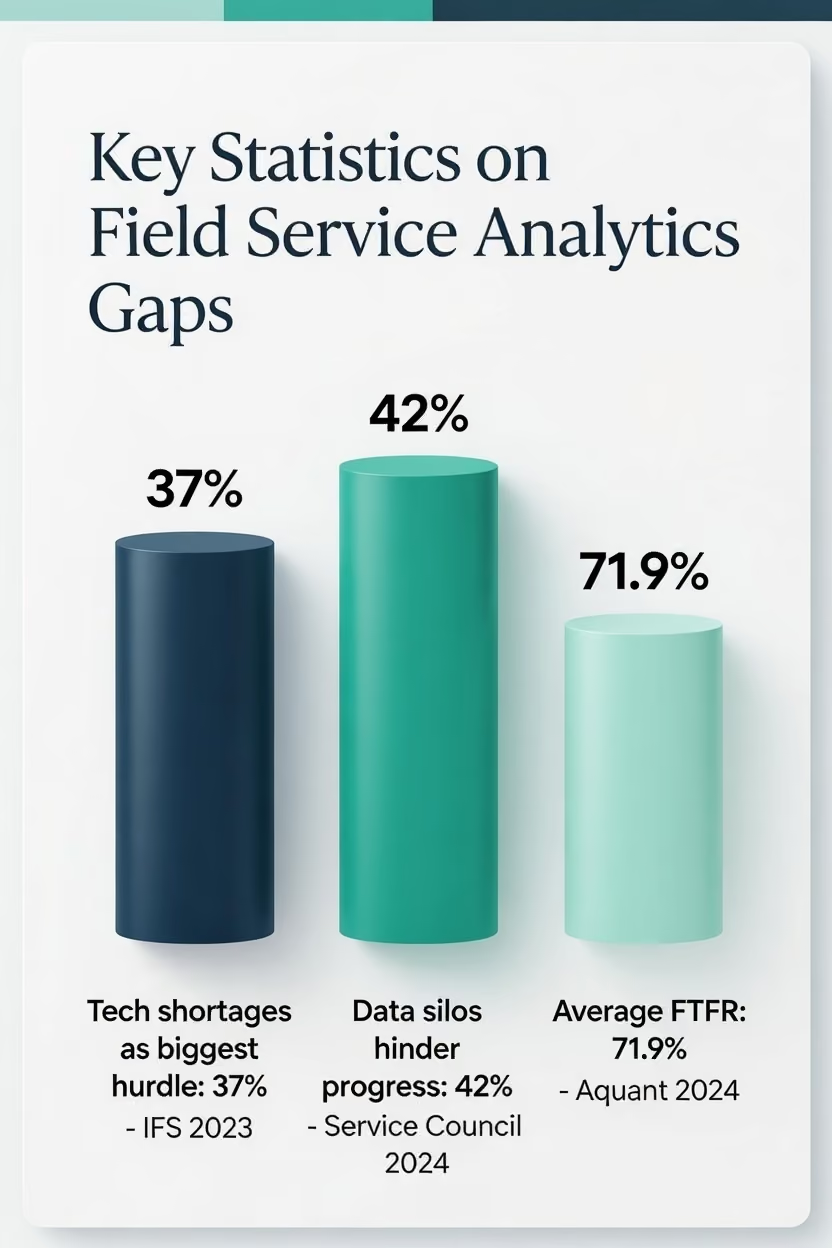
Common triggers include outdated manual processes, fragmented tools (e.g., separate systems for sales and technicians), and a lack of AI-driven analysis. Surveys indicate 37% of field service leaders view tech shortages as their biggest hurdle (IFS 2023), while 42% note data silos hinder progress (Service Council 2024).
Key indicators of gaps in your operations:
- Unexpected equipment failures despite regular checks.
- Consistently low FTFR (averaging 71.9% across industries, per Aquant 2024).
- Difficulty explaining customer loss or stalled upsell efforts.
Left unaddressed, these gaps obscure the full picture, making it impossible to prevent issues or capitalise on growth.
Missed Upsell Opportunities: The Revenue Drain from Analytics Gaps
Beyond masking failures, analytics gaps conceal revenue potential. Without visibility into asset trends or customer habits, field teams overlook prime moments to suggest enhancements.
Consider a technician noticing frequent part replacements but lacking data to recommend an upgrade or contract. That's revenue gone. Point-of-service upsells could lift income by 20–30%, yet without insights, they're routinely missed.
Typical overlooked chances:
- Preventive packages, where fault patterns could convert repairs into subscriptions
- Equipment upgrades, highlighted by performance data.
- Add-on bundles, driven by customer usage profiles.
How No Analytics Hides Service Failures in Field Operations
Lacking analytics allows service failures to build quietly, only surfacing when it's too late. For example, subtle efficiency drops in a conveyor system might signal wear, but without trend tracking, they escalate to full stops.
Closing the Gaps: Field Service Analytics Benefits You Can’t Ignore
Field service analytics transforms raw operational data into actionable insights that directly impact your service organisation’s efficiency, profitability, and uptime. Key benefits include:
- Early Failure Detection & Predictive Maintenance
By analysing machine performance data and usage patterns, analytics tools detect wear, anomalies, and potential failures before they escalate. This enables predictive maintenance, reduces unplanned downtime, and keeps critical equipment operational.
- Revenue Growth from Service Trends
Insights from historical service data and asset performance trends help identify upsell opportunities, optimise service contracts, and increase maintenance margins. Companies leveraging analytics see measurable growth in after-sales revenue and service profitability.
- Productivity & Operational Efficiency Gains
Analytics streamline workflows, prioritise work orders, and allocate resources efficiently. Field technicians access real-time asset data and historical service records via mobile apps, boosting first-time fix rates (FTFR) and reducing repeat visits. Overall productivity surges, allowing teams to do more with less.
Tools like Reports and Analytics deliver these by converting data into decisions.
Practical Steps to Build Analytics and Avoid the Pitfalls
Begin with an audit: Spot silos like manual logs. Then integrate platforms.
- Gather on-site info via Digital Service Forms for robust data.
- Add IoT for live tracking (e.g., sensors).
- Analyse with Reports and Analytics to reveal trends and upsells.
- Manage interactions through Help Desk and Ticketing for customer insights.
- Educate teams on metrics (FTFR, downtime).
- Track ROI, targeting 6–18 months.
Conclusion: Don’t Let Analytics Gaps Steal Your Edge
Service analytics gaps cost dearly, hiding service failures that rack up downtime and burying missed upsell opportunities that could grow your bottom line. But with the right tools, you turn data into your secret weapon for reliability and revenue.
Ready to uncover what’s hidden? Book a demo with Makula today and see how our field service analytics close gaps, spot failures early, and unlock upsells for real results.