You send two technicians to inspect the exact same pump on the exact same day. One technician returns in twenty minutes with a thumbs-up and a clean report. The other returns in forty-five minutes with a list of three minor issues and a recommendation to change a seal.
Both are experienced. Both are qualified. Yet, their results are completely different. So, who is right?
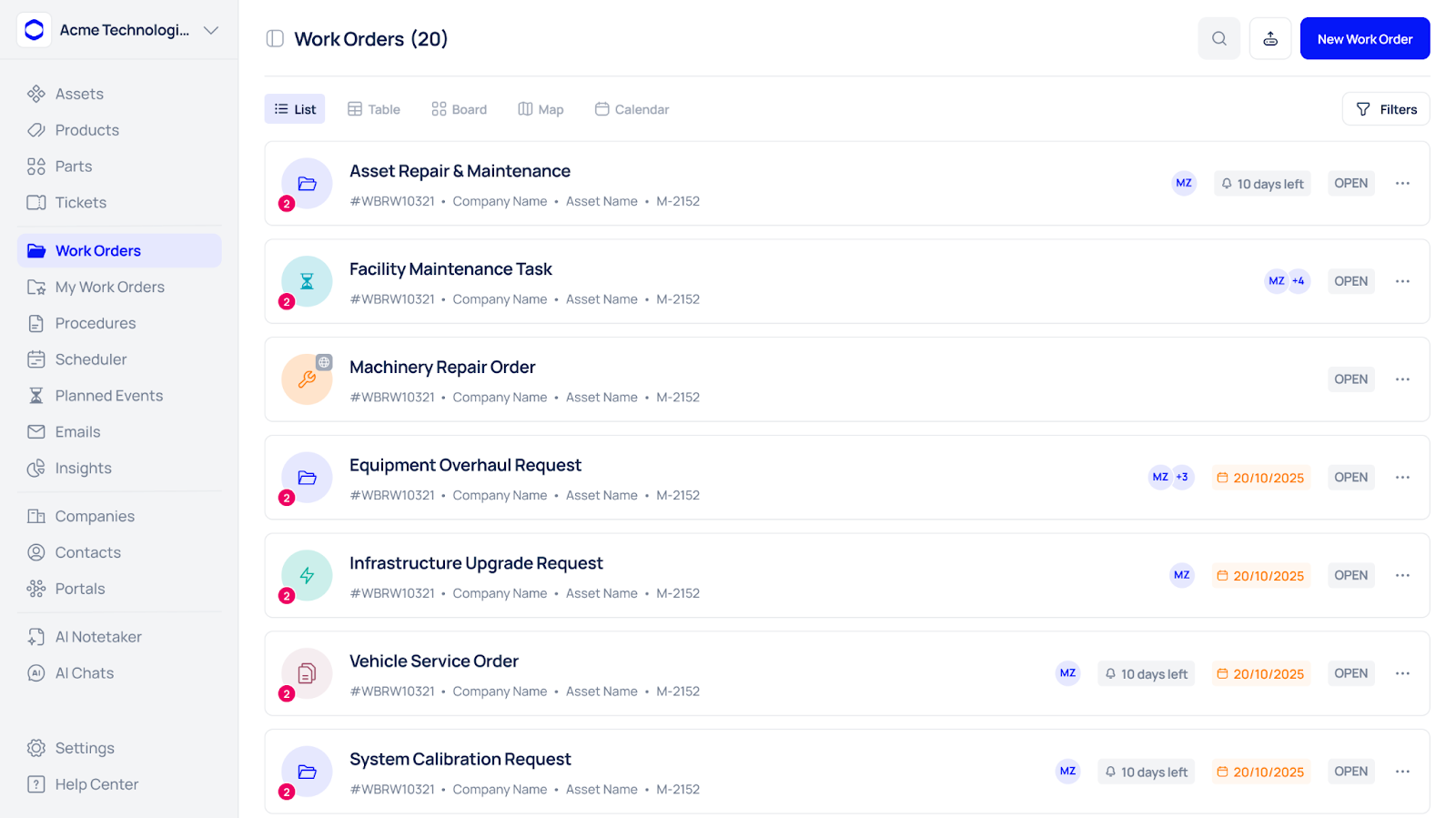
This inconsistency is one of the most subtle yet damaging problems in maintenance operations.When different techs perform steps differently every time, your data becomes unreliable. You cannot trend failure rates, you cannot accurately predict maintenance needs, and you certainly cannot guarantee safety compliance. The solution lies in a robust approach to standardised digital inspections, where every technician follows the same verified process..
But why does this happen? The causes are rarely malicious. Techs are often doing their best, but gaps in process, unclear expectations, and reliance on memory all lead to a patchwork of methods. Over time, these differences create confusion and expose your business to unnecessary risk.
The Cost of Inconsistency
Inconsistency isn't just annoying; it is expensive. When inspections rely entirely on individual interpretation rather than a set standard, you are gambling with your assets. Small mistakes get overlooked and minor issues escalate undetected, leading to unexpected failures and increased downtime.
Technician A might rely on years of intuition listening to the hum of a motor to judge its health. Technician B might be strictly by-the-book, measuring vibration levels with a handheld tool. While Technician A’s intuition might be good, it isn’t data. It isn’t repeatable. If Technician A retires tomorrow, that "standard" leaves with them.
Without inspection standardisation, you are left with a collection of opinions rather than a database of facts. This leads to:
- Missed failures: Critical steps get skipped because "we’ve never done it that way before."
- Wasted time: Technicians over-inspecting non-critical assets while neglecting high-risk ones.
- Training nightmares: New hires don't know which "version" of the inspection to learn.
- Compliance headaches: Auditors and insurers are less likely to trust records that aren’t consistent or traceable.
The long-term impact? Higher costs, more downtime, and frustration for both frontline teams and management.
Tribal Knowledge vs. Standardised Process
The root of the problem is often "tribal knowledge" information that lives in people's heads rather than in a documented process. Tribal knowledge is valuable, but it is not scalable, and it can quickly become out of date as equipment and procedures change.
To move from an opinion-based culture to a fact-based one, you need to bridge the gap between what your best technician knows and what every technician does. Standardisation ensures the lessons and skills of your most experienced team members are preserved and shared with everyone especially when supported by mobile checklists & inspections that guide every technician in the field.
A well-documented process means that inspections become teachable, repeatable, and easily adapted for new equipment or updated standards.
How to Standardise Without Micromanaging
A common fear is that inspection standardisation turns skilled technicians into robots. This couldn't be further from the truth. Standardisation isn't about removing skill; it is about removing ambiguity, freeing techs from unnecessary guesswork.
When you provide a clear, standardised digital checklist, you free your technicians from having to remember every single step of a 50-point inspection. They can focus their cognitive energy on diagnosing the problem rather than recalling the process. This ensures even the most complex assets are checked thoroughly and correctly, regardless of who is on shift.
Effective standardisation involves:
- Digital Workflows: Replacing paper forms with digital checklists that guide the user through the process, ensuring no steps are missed and instructions are always up to date.
- Visual Aids: Including photos or diagrams of "what good looks like" directly in the inspection step, making it easy for anyone to compare actual conditions to expected standards.
- Mandatory Inputs: Ensuring critical measurements (like pressure or temperature) must be entered before moving to the next step, reducing the chance of oversight and increasing accountability.
Importantly, the best systems allow for feedback. If procedures aren’t working in the real world, technicians should be able to suggest improvements, creating a cycle where standards evolve and improve over time.
The Result: One Version of the Truth
When you achieve inspection standardisation, the question "who is right?" disappears. The standard is right.
If a technician disagrees with the standard, that is a valuable conversation to have. It might mean the standard needs updating. But until that update happens, everyone marches to the beat of the same drum. This consistency gives you data you can trust, creates a safer working environment, and ensures that the quality of your maintenance doesn't depend on who is on shift that day.
Standardisation means you move beyond guesswork. Your reports become truly comparable, your audit trail is rock-solid, and you gain confidence that every inspection delivers real value on a maintenance insights dashboard you can access instantly.

Stop guessing which inspection report is accurate. Start building a process that delivers the truth, every single time.