It’s a familiar scene in many workshops and factory floors. An essential piece of machinery grinds to a halt, bringing operations to a standstill. Panic quickly sets in. Inevitably, everyone turns to find Dave, the senior technician who has been with the company for 30 years. He’s the only one who knows the machine’s quirks, the specific sequence of resets, or that little trick involving a well-aimed tap.
The Real-World Impact of Absences
But what happens when Dave is on a much-deserved holiday, off sick, or has retired? Suddenly, the frantic calls begin, productivity plummets, and what should have been a simple fix turns into a costly day of downtime. This heavy reliance on a single expert is a hidden risk with the very real consequence of maintenance knowledge loss.
Understanding Maintenance Knowledge Loss
When crucial operational know-how sits only in one person’s head, the business operates on unsteady ground. The absence of that single point of reference doesn’t just create a temporary headache; it exposes deep-seated vulnerabilities that can affect your organisation in the long term.
The Domino Effect: From Downtime to Demotivation
This is more than a small inconvenience. It’s a significant operational risk that can lead to drawn-out downtime, expensive external contractor call-outs, and frustrated teams left trying to solve a puzzle with missing pieces. Over time, repeated cases of maintenance knowledge loss chip away at morale, as other technicians grow frustrated and unsure. The “we’ll just wait for Dave” mentality blocks growth, prevents upskilling, and creates a bottleneck that slows the entire operation.
The Impact on Morale and Team Growth
It’s not just about getting the machines running again. Relying too heavily on one expert means junior staff can miss out on hands-on learning, making them less confident and prepared for challenging tasks. This leads to a team that’s less capable and more prone to feeling undervalued.
From Individual Heroics to Collective Resilience
The solution isn’t to stop senior technicians from taking holidays or moving on; it’s to build a resilient system. You need a culture where invaluable knowledge is captured, shared, and accessible for all, supported by digital work instructions and checklists that guide every technician through every task. Shifting from a model that relies on individual heroics to one rooted in collective resilience not only protects your business from downtime but also empowers your entire workforce.
Envisioning a Better Way
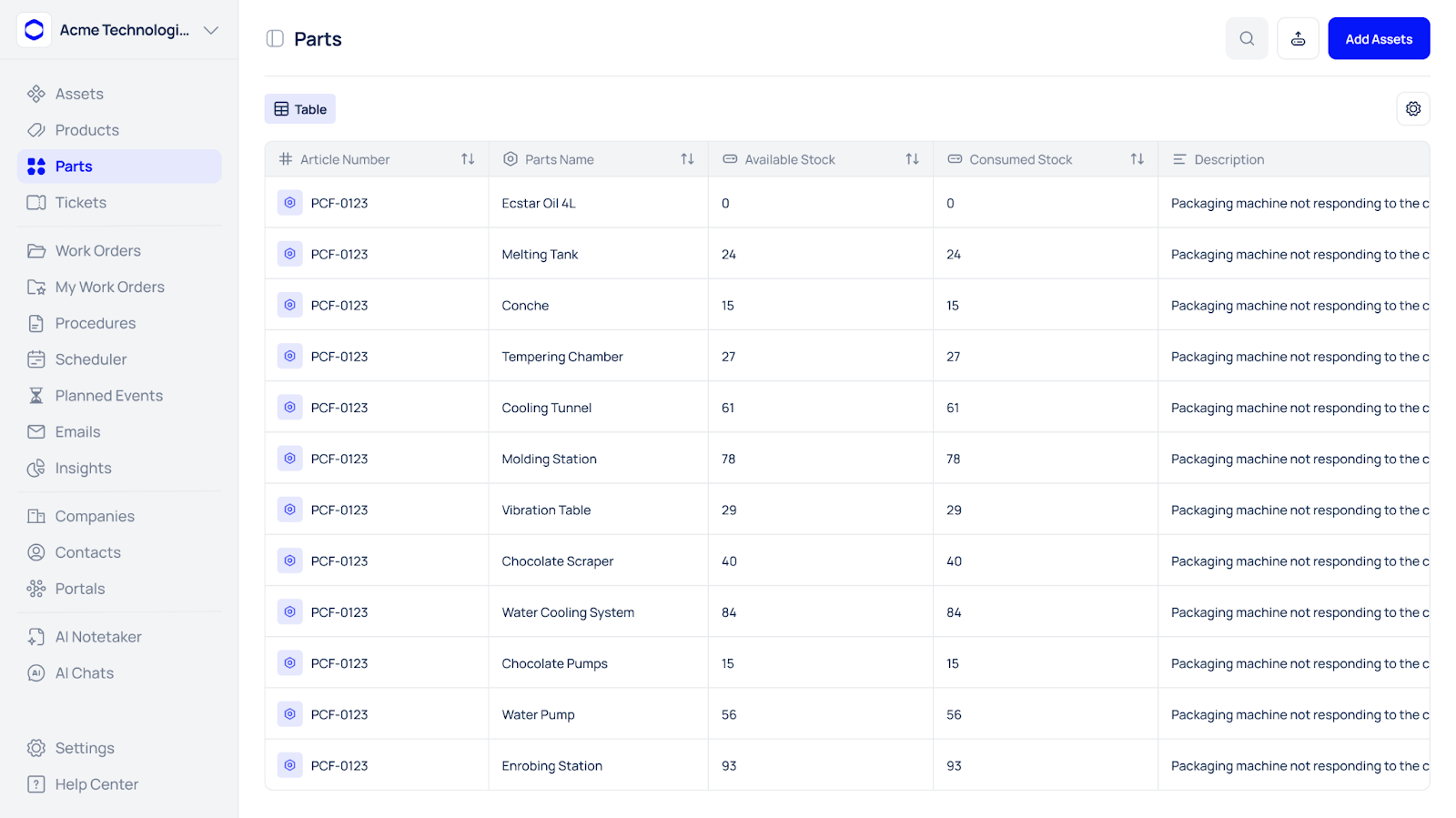
Imagine a different scenario. The machine stops, but instead of panic, a junior technician opens the CMMS app on their tablet, opens the asset record and accesses a step-by-step video or digital work instruction attached to that asset. Within minutes, the equipment is running again. This isn’t wishful thinking — it’s what happens when businesses tackle maintenance knowledge loss head-on and take proactive steps to document their know-how.
In practice, a CMMS can store written procedures, short how-to videos, photos, and frequently used troubleshooting steps directly on the asset record so that everyone has the same verified guidance at their fingertips.
Turning Knowledge into a Shared Asset
Establishing a robust knowledge base means expertise becomes a valuable company asset, not the sole possession of one individual. This approach creates a more agile, skilled, and self-sufficient maintenance team, ready to solve any challenge that comes their way.
Practical Steps to Prevent Maintenance Knowledge Loss
Below is a simple breakdown of common problem areas and the solutions that help make your business future-proof:
How the CMMS helps:
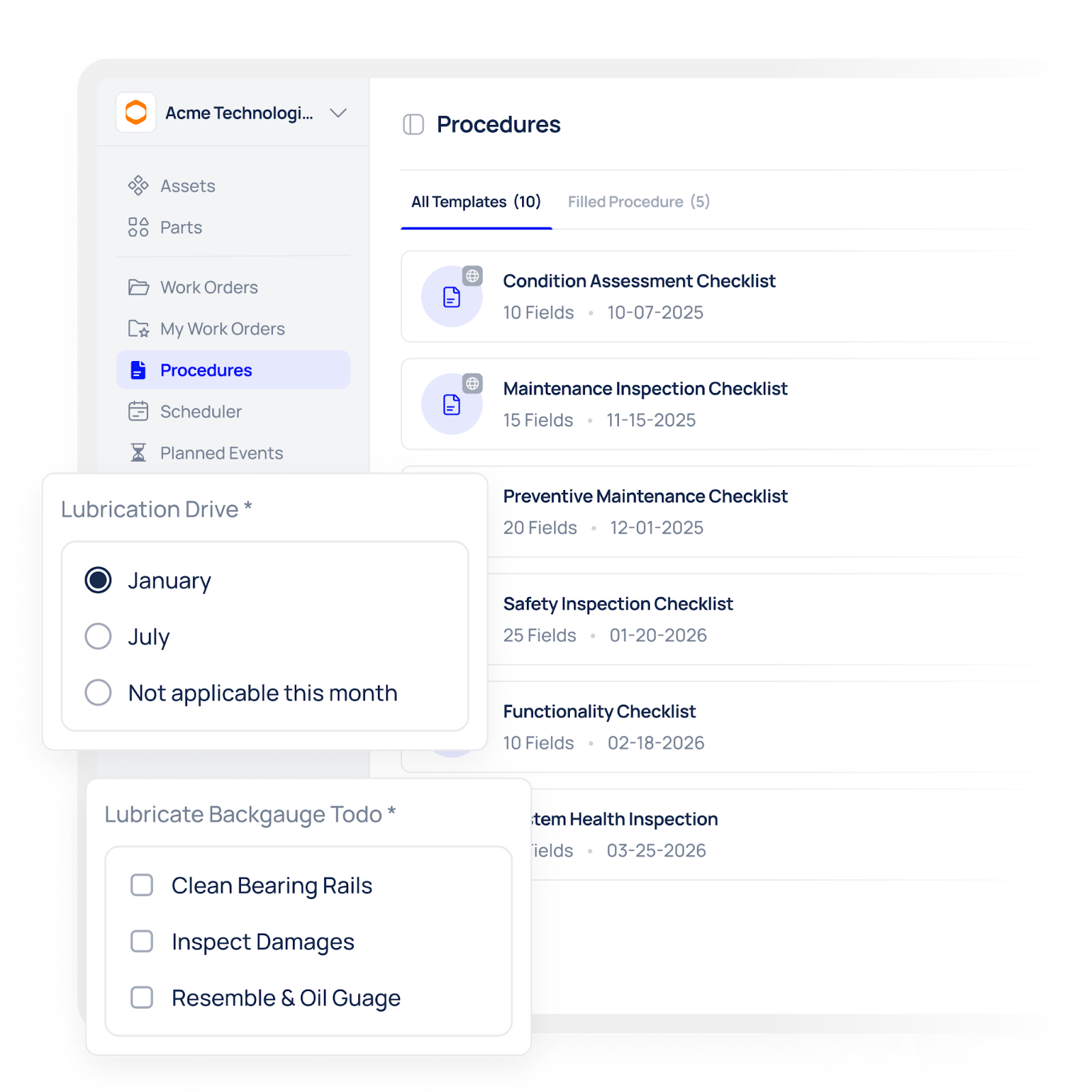
- Attach step-by-step work instructions, photos, and short videos to each asset so the right guidance is always available.
- Use digital checklists that record who completed each step and when (timestamped entries build accountability).
- Keep a searchable history so teams can see past fixes and proven solutions rather than relying on someone’s memory.
Example: platforms like Makula CMMS make it straightforward to centralise time-based PMs and attach supporting files to assets and work orders — turning individual experience into shared, searchable company knowledge.
Secure Your Expertise Before It's Too Late
Relying on one person is a gamble, not a plan. The threat of maintenance knowledge loss is real but entirely preventable. Proactively documenting and sharing the tribal knowledge your senior staff hold not only saves you unnecessary downtime and expense but also builds a stronger, more confident team for the future.
Quick starter plan: document 3–5 critical procedures this week, attach photos or short clips to the asset records, and require new hires to complete these digital checklists as part of onboarding.