
10 Best Field Service Management Software Tools for 2026 (Expert-Approved)
1. What is Field Service Management (FSM)?
For OEMs and machinery manufacturers, managing after-sales operations is complex. Field service management software helps digitalise workflows, schedule technicians, and improve response times. The best field service software also integrates job tracking and customer service into one platform. In this guide, we review the 10 best field service management tools in 2026, helping you compare features, scheduling, and pricing.
2. Why OEMs Need Field Services Management Tools
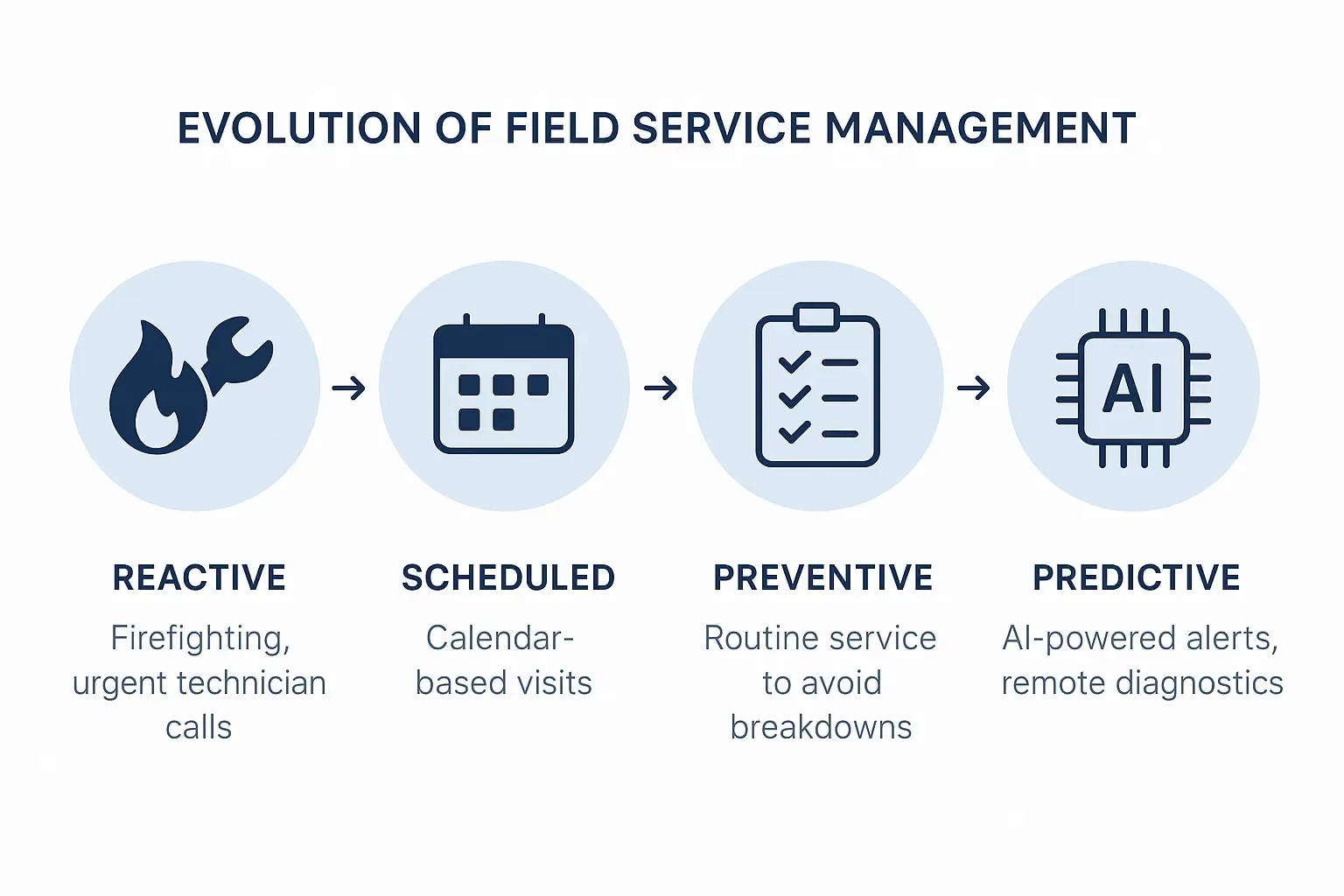
For OEMs, aftersales service is no longer a support function — it’s a core revenue stream and a key driver of customer loyalty. The challenge is that most OEMs still manage service operations through spreadsheets, phone calls, and fragmented systems. This leads to slow response times, missed service windows, and rising costs.
Field Service Management (FSM) software changes that. By digitalising service workflows, it gives OEMs the tools to:
- Track and manage installed base assets so technicians arrive prepared with the right parts, manuals, and service history.
- Dispatch service teams more efficiently, reducing delays and ensuring customers get faster resolution.
- Capture service data in real time, creating a complete record of machine performance and maintenance for both the OEM and the customer.
- Enable customer self-service through portals where clients can log issues, access documentation, or request service directly.
- Unlock new revenue opportunities by offering premium support, remote diagnostics, or extended service packages.
With these capabilities, OEMs move from reactive, paper-heavy processes to proactive and scalable aftersales operations. The result: reduced downtime for customers, stronger margins for OEMs, and a service model that builds long-term trust.
3. Top Field Service Management Tools for 2026
Disclaimer: While Makula is our own platform, we’ve evaluated all tools fairly based on their suitability for OEMs, AI integration, usability, and ROI. Makula tops the list not out of bias, but because it outperforms others for manufacturers and equipment providers in key areas — particularly preventive maintenance, AI copilots, and technician productivity.
We break down the top 10 FSM tools – 5 for enterprise, 5 for mid-market/SMB – based on AI-readiness, ROI, usability, and fit for OEMs.
3a. Quick Comparison Table for Field Service Scheduling Software
3b. In-Depth Tool Comparisons
Makula (Best Overall for OEMs & AI-Led Operations)
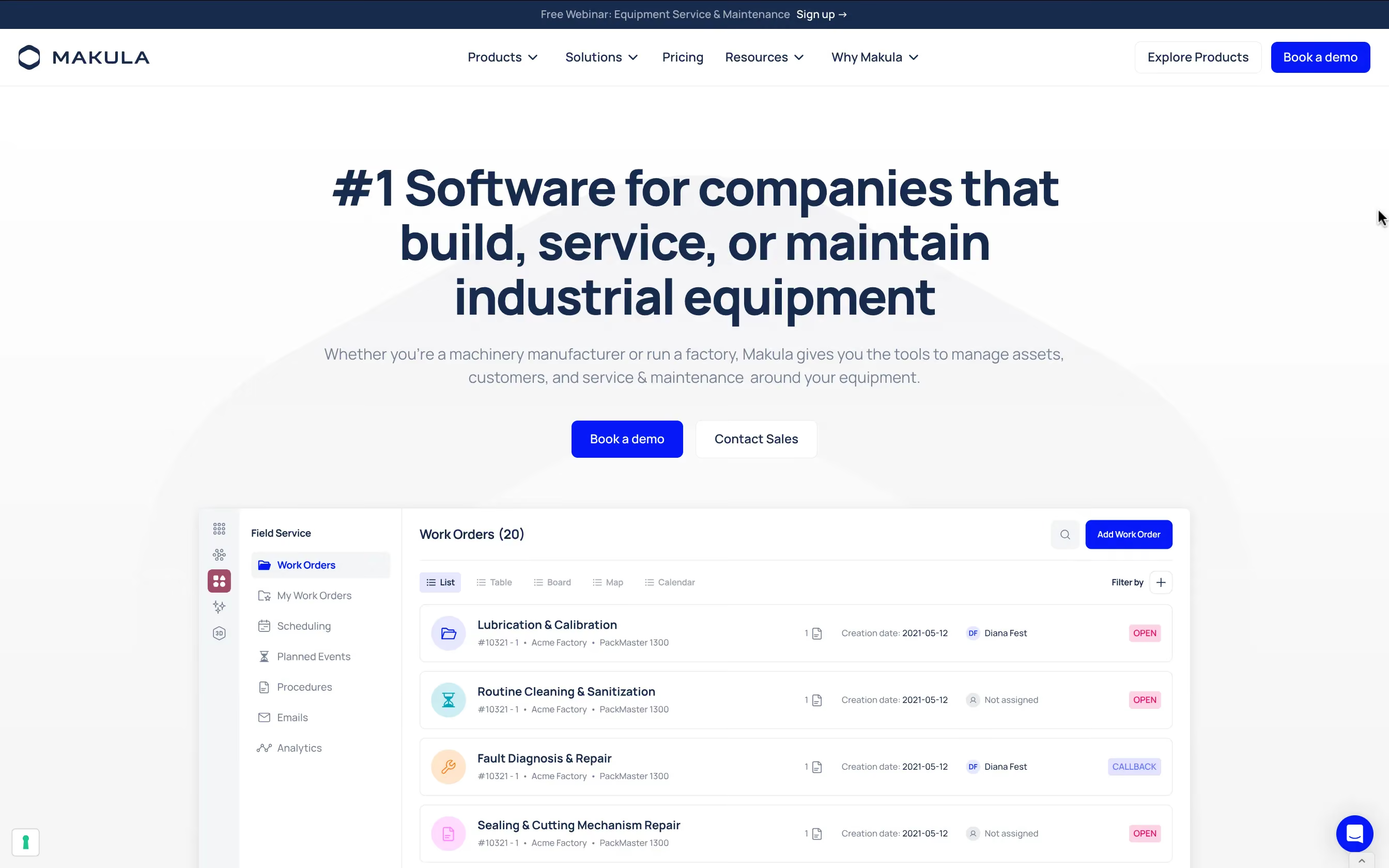
Makula is designed specifically for machine suppliers and industrial equipment distributors. It’s not a generic field service tool — it’s tailored to the unique lifecycle of machines in the field, with a focus on preventive maintenance and technician enablement through AI. The suite includes Installed Base Management for a detailed overview of all machines in the field, Customer Portal for self-service support requests and an AI Copilot and Notetaker to streamline reporting and automate task logging. Unlike catch-all FSM systems, Makula is built for long-lifecycle machine support.
Key Features:
- Preventive service scheduling
- AI Copilot for field teams
- Notetaker and technician activity tracking
- Installed base management
- Self-service Customer Portal
Pros:
- OEM-first product design
- Strong AI integrations
- Branded service experience
Cons:
- Requires tailored onboarding
- Not suited for general contractors
Pricing: Makula Field Service Software starts at €55 per user per month on the Pro Plan. The Customer Portal and AI Copilot are provided as add-on features with a separate platform fee (available on request). See the full breakdown of features within the Field Service Pro Plan here.
Schedule a demo with us for a customised proposal and pricing structure which covers all your specific requirements.
Salesforce Field Service
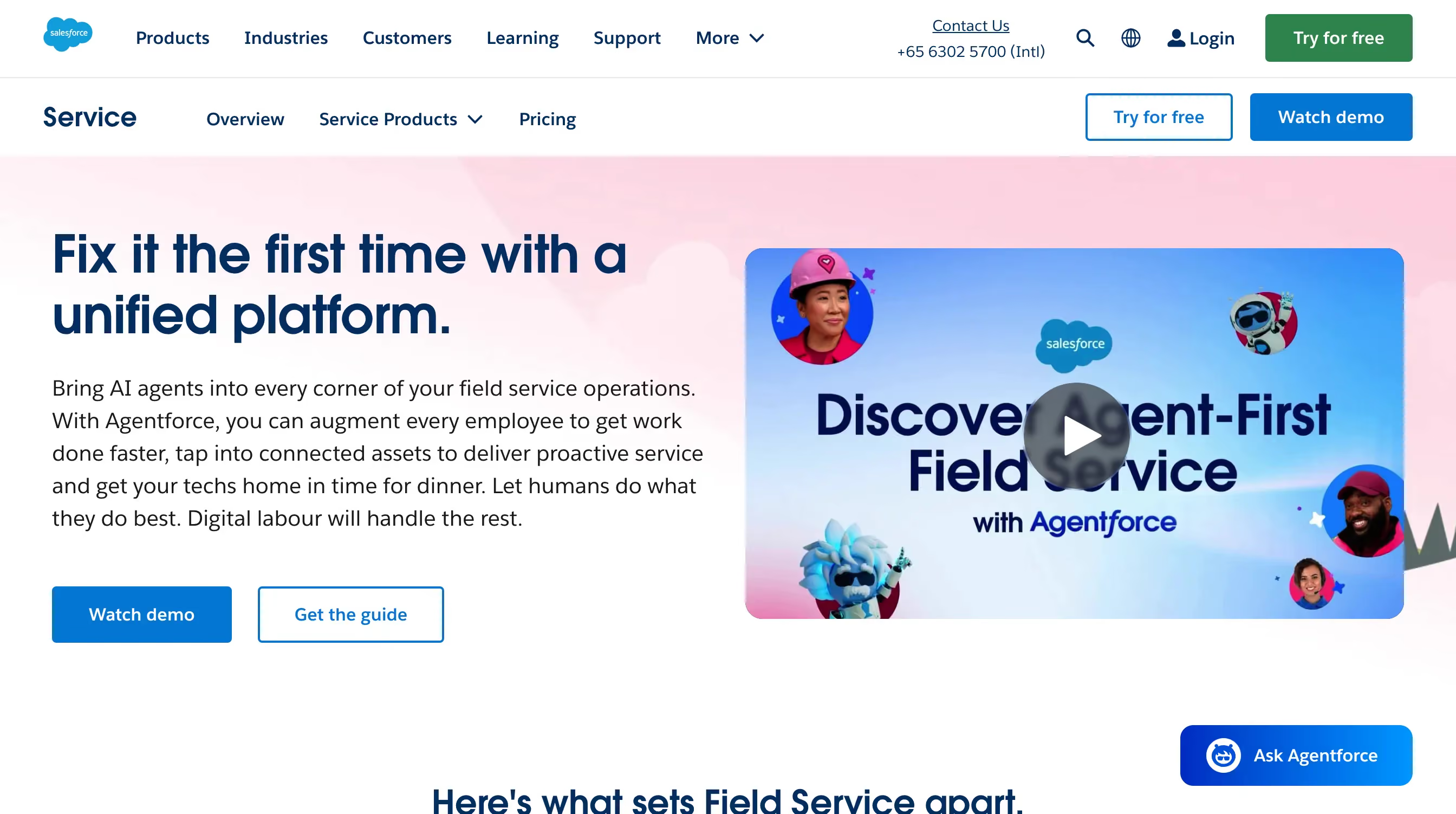
Salesforce Field Service is a natural choice for companies already using Salesforce CRM. It brings strong CRM-service integration, smart AI through Einstein, and mobile tools. Its IoT support adds depth for connected assets. However, high complexity and licensing layers make it better suited for enterprise teams.
Key Features:
- Strong CRM integration
- Einstein AI for predictive routing
- IoT asset support
Pros:
- Ideal for CRM-native teams
- Powerful analytics
Cons:
- Pricey and complex
- Can be overkill for SMBs
Pricing: Tiered suites between $25 - $165/User/Month
ServiceNow FSM
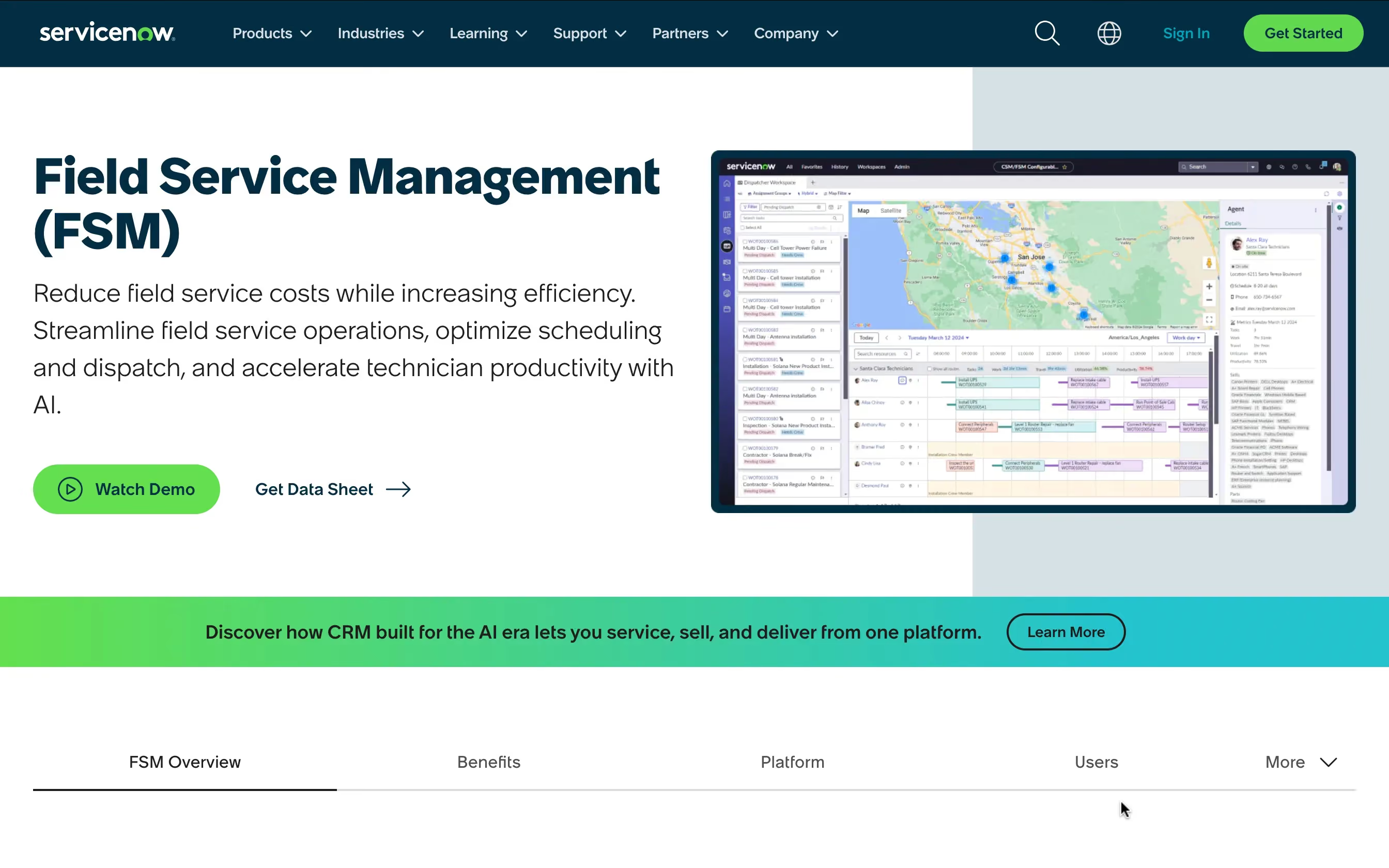
ServiceNow FSM is ideal for large enterprises looking to streamline field ops, ITSM, and support. It leverages ServiceNow’s powerful workflow engine, no-code platform, and AI-driven dispatching to improve operational efficiency. While incredibly scalable, it may not suit smaller service operations.
Key Features:
- Virtual agents and workflow automation
- AI-driven dispatching
- Integrates across IT + field service
Pros:
- Best for enterprise digital transformation
- Deep integration capabilities
Cons:
- Complex setup
- Expensive
Pricing: Custom quote
IFS Field Service
IFS delivers enterprise-grade FSM for asset-heavy industries. With capabilities across scheduling, EAM, and AI, it’s designed for companies needing robust uptime control and SLA flexibility. European OEMs favour its customisability, though onboarding can be lengthy.
Key Features:
- AI-powered scheduling
- Mobile apps with offline support
- Integrated EAM
Pros:
- Deep customisation
- Built for complex assets
Cons:
- Long implementation time
- High TCO
Pricing: Not public on website
PTC ServiceMax
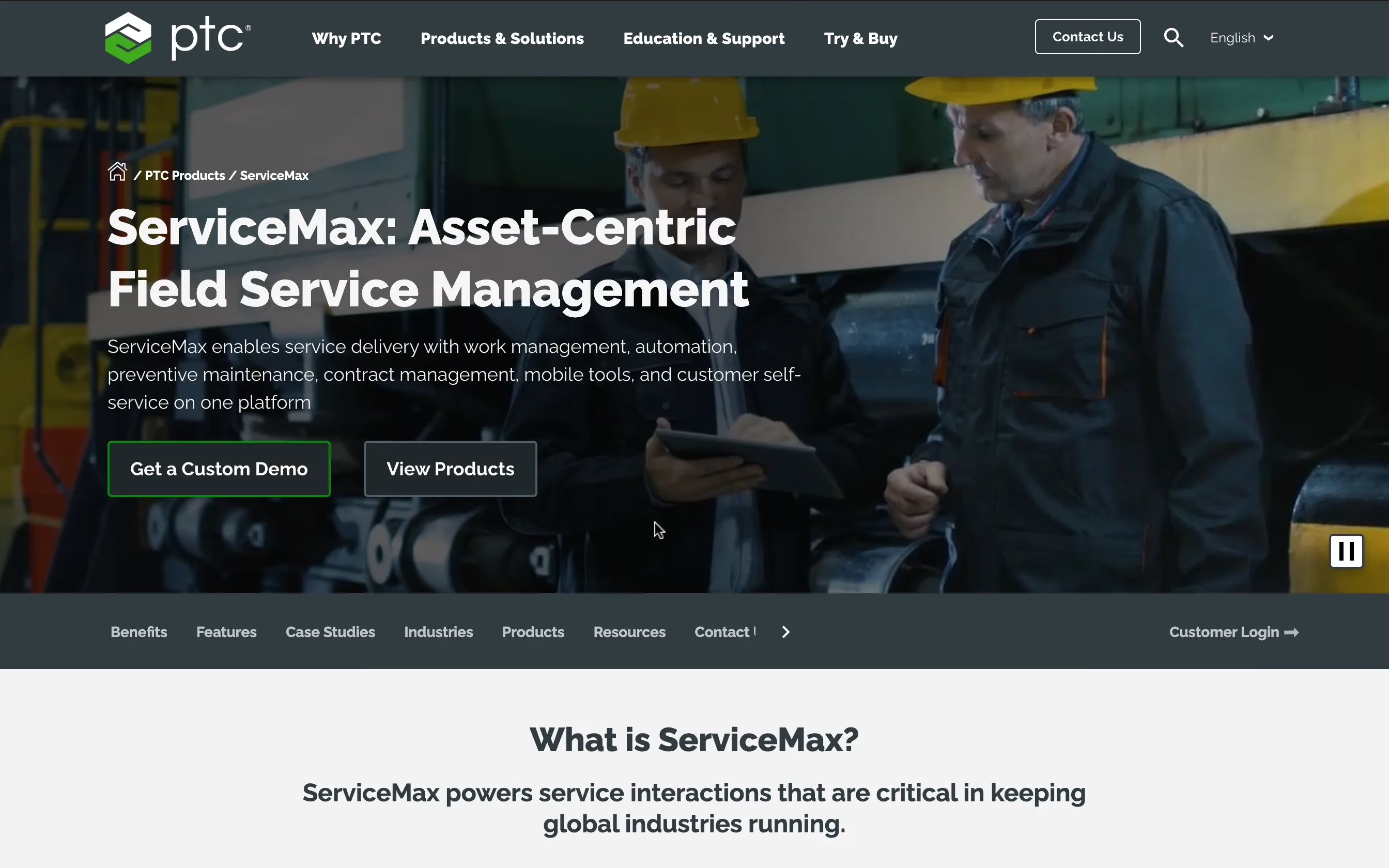
ServiceMax (from PTC) focuses on asset-centric FSM. It supports remote troubleshooting, IoT integration, and AR tools — ideal for OEMs managing complex machines. High value, but tailored for companies with significant investment in smart servicing.
Key Features:
- Remote service enablement
- IoT dashboards
- AR service tools
Pros:
- Top-tier uptime tracking
- OEM-friendly
Cons:
- Premium cost
- Niche fit
Pricing: Free trial available. No public pricing on website
Zuper
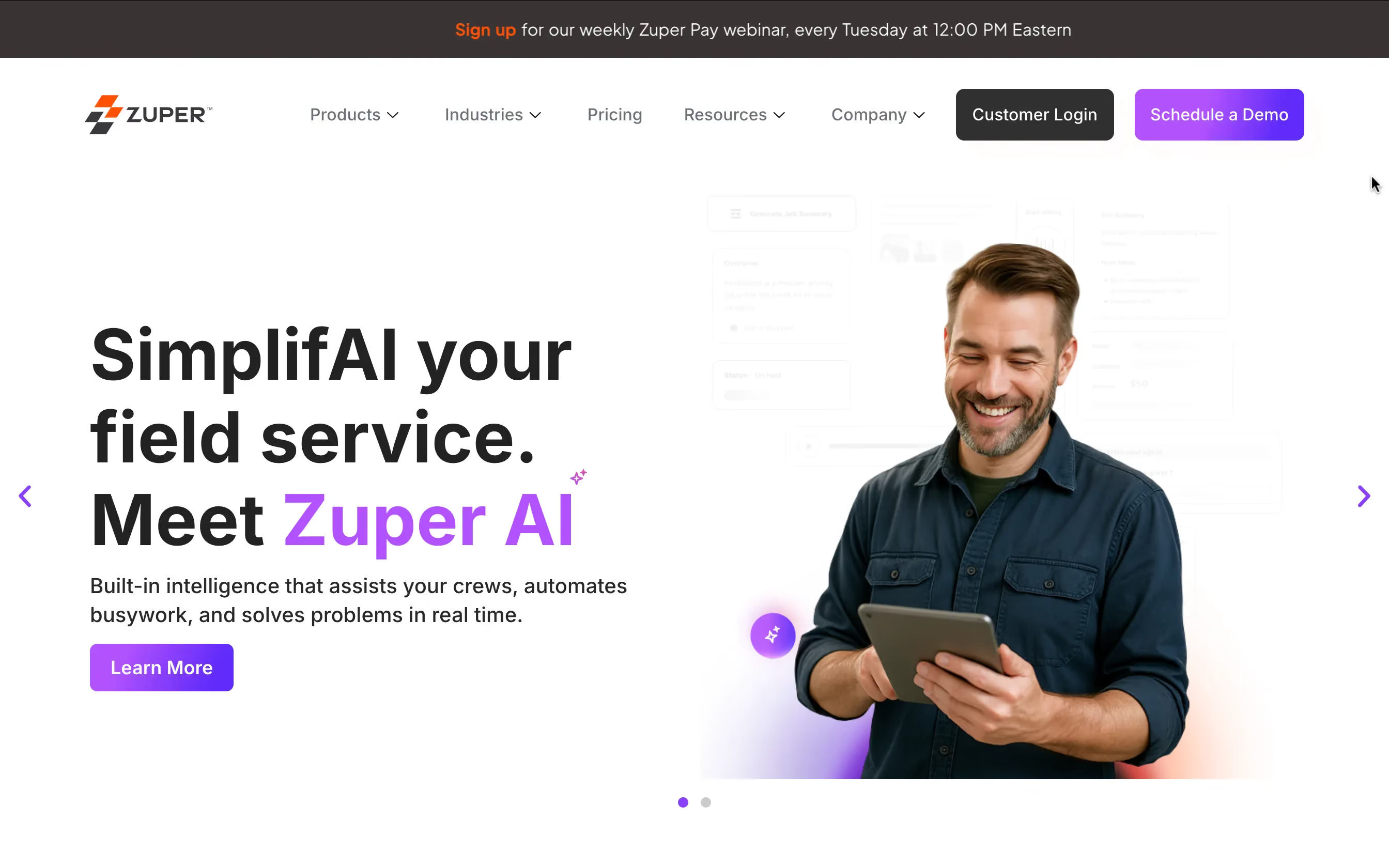
Zuper provides AI-powered FSM features in a modern, scalable package. With LLM copilots and mobile-first design, it's great for fast-growing field teams needing visibility and automation. Lacks deeper service contract management but excels in usability.
Key Features:
- AI Copilot for jobs
- Smart scheduling
- Native mobile app
Pros:
- Fast, intuitive UI
- Flexible integrations
Cons:
- Lacks deep OEM logic
- Newer market presence
Pricing:
Zuper offers three tiered plans to suit businesses of different sizes and complexity:
- Starter: $65 / user / month
Includes essential scheduling, job tracking, and mobile access - Core: $85 / user / month
Adds advanced workflows, integrations, and reporting tools - Premium: $105 / user / month
Unlocks custom modules, enterprise support, and full automation
Zuper pricing is transparent and scalable — ideal for field service teams seeking growth without sacrificing configurability.
Praxedo
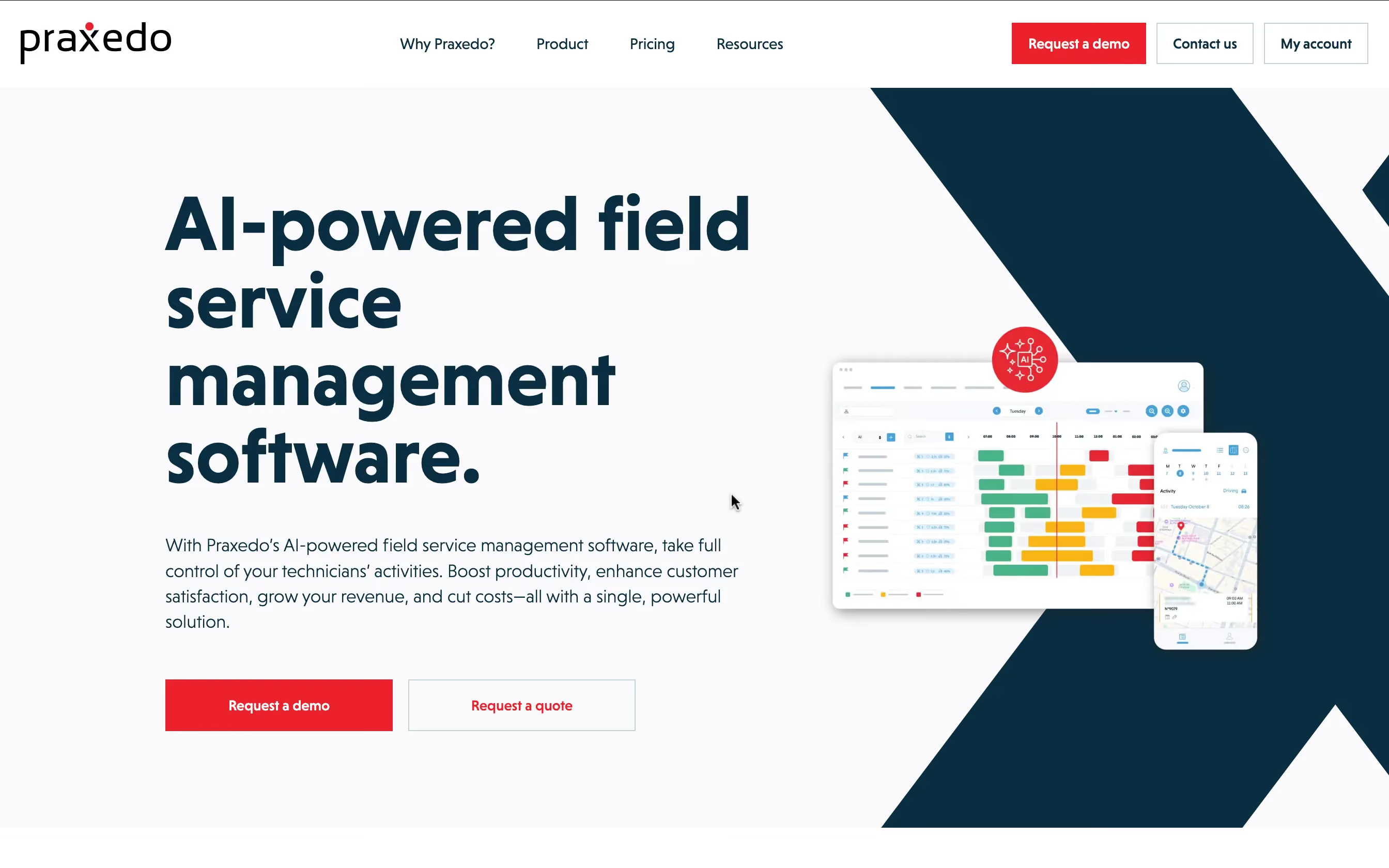
Praxedo is built for regulated industries with strict compliance needs. Its digital form builder and audit trails ensure documentation is tight. While not flashy, it’s dependable. Limited AI may make it less future-ready.
Key Features:
- Custom form workflows
- Compliance automation
- Field data capture
Pros:
- Regulatory fit
- Stable performance
Cons:
- Limited AI
- UI feels outdated
Pricing:
- Basic: $39/user/month — for small businesses
- Advanced: $69/user/month — for SMBs
- Optimized: $99/user/month — for SMBs
- Automated: $149/user/month — for mid-sized businesses (includes AI features)
- Enterprise: Custom pricing — tailored for large companies with full AI stack
➡️ Minimum of 5 users per month required
FieldPulse (Best for Growing Trades & Contractor Teams)
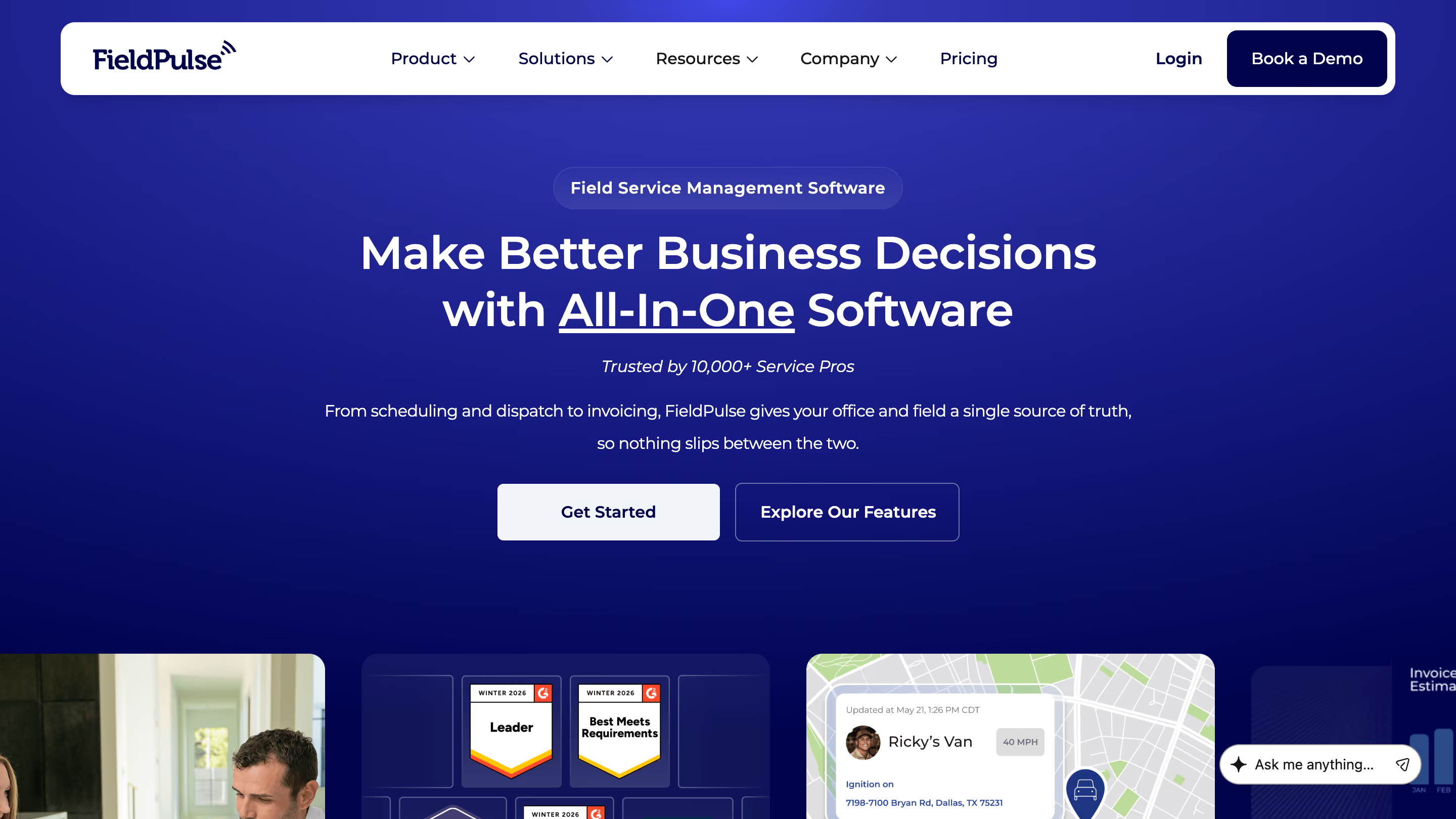
FieldPulse is field service management software built for growing trades businesses that have outgrown pen, paper, or basic tools. It runs your whole operation in one place — CRM, scheduling, dispatching, estimates, invoices, and payments — so you stop duct-taping tools together. The platform is built to flex around how you work, not force you into rigid processes.
Key Features:
- Drag-and-drop scheduling and dispatching with GPS tech tracking
- Estimates and invoices with pricebook and QuickBooks sync
- Custom workflows, fields, and statuses (ClearPath)
- 60+ prebuilt reports plus custom dashboards
- Robust offline mobile app for iOS and Android
Pros:
- Customizable to your business — no rigid, one-size-fits-all setup
- Industry-leading, US-based support through migration, onboarding, and beyond
- Scales from core features to inventory, custom forms, and fleet tracking without switching software
Cons:
- Built for trades and contractors, not OEM or enterprise use
- AI feature set is newer than some competitors
Pricing:
Seat-based — no tiers. Full back-office seats and field-only seats are priced differently, so you don't overpay for access people won't use. Add-ons (dispatching, AI receptionist, VoIP, fleet tracking, custom forms) are available when needed. A 20-minute demo gets you a real number.
Zoho FSM
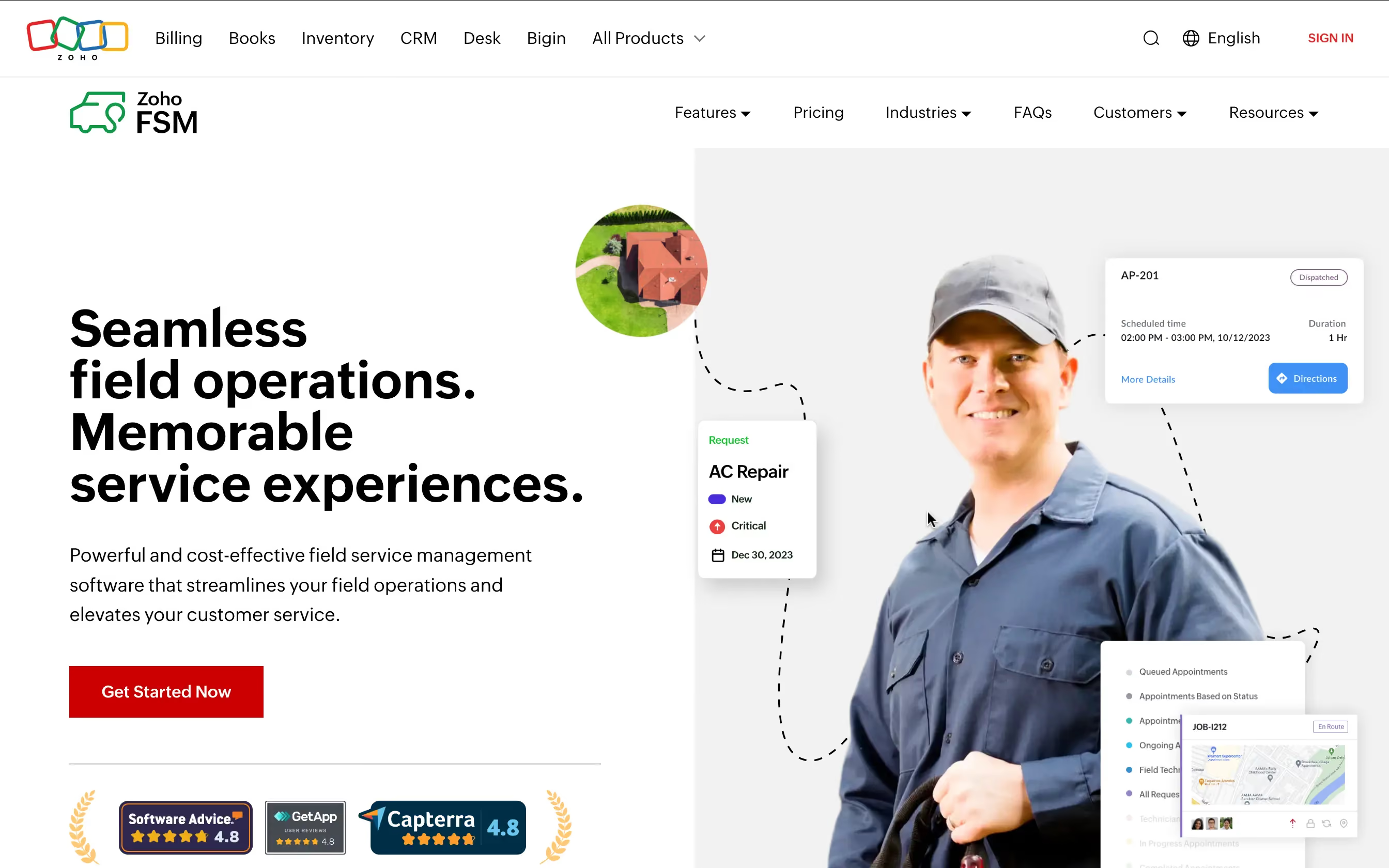
Zoho FSM is a lean, efficient solution for small teams. It integrates with the Zoho suite and includes key field tools. While AI is basic, it’s more than enough for most SMBs starting out.
Key Features:
- Route optimisation
- Time tracking
- App integrations
Pros:
- Affordable entry point
- Seamless Zoho ecosystem
Cons:
- Not AI-rich
- Lacks custom SLAs
Pricing:
- Free: $0/month
Includes: 30 appointments, basic job management, customer tracking, invoicing. - Standard: $25/user/month (billed annually)
Adds: Webforms, service task tracking, maps/location, multiple currencies, crew assignments. - Professional: $35/user/month (billed annually)
Adds: Multi-day appointments, job sheets, asset management, maintenance plans, time-based workflows.
Annual billing only — monthly toggle implies up to 16% savings compared to monthly rates.
BigChange
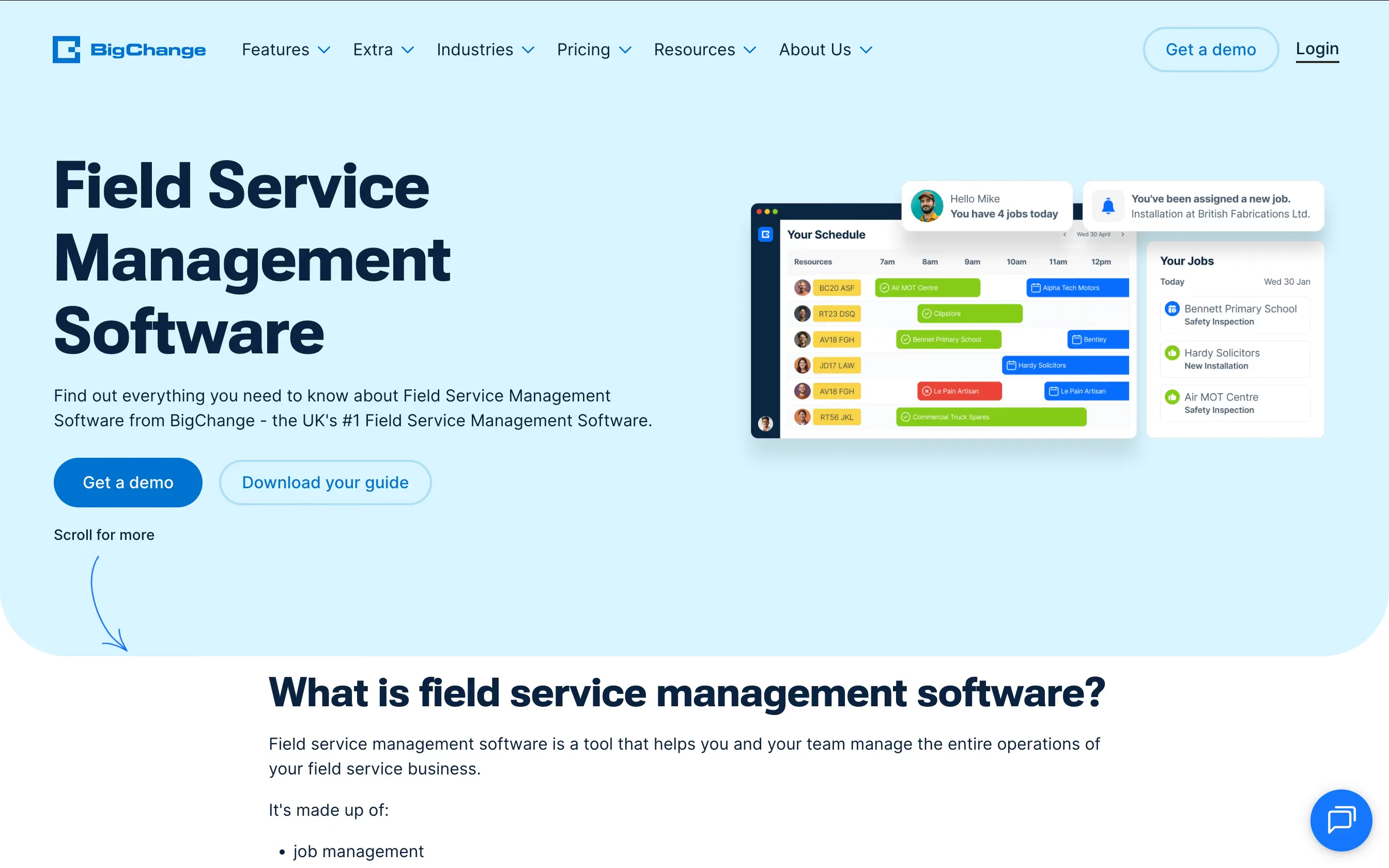
BigChange is best for field teams with fleets. It combines job scheduling with vehicle tracking and reporting. Great UX and local support in Europe make it appealing, even if AI capabilities are basic.
Key Features:
- Real-time job tracking
- Driver + vehicle logs
- Digital job cards
Pros:
- Ideal for fleet-heavy firms
- Friendly support
Cons:
- Light on AI
- Less OEM depth
Pricing:
4. What to Look for in an FSM Tool in 2026
Not all Field Service Management tools are built the same, and certainly not for OEMs. Here’s what leading machinery suppliers and industrial service teams should prioritise when evaluating FSM platforms in 2026:
5. Why Makula is the Best FSM Software in 2026
Makula is built specifically for OEMs, distributors, and machine suppliers, designed to solve the real challenges of modern field service. Unlike generic software, it focuses on what matters most: giving full visibility, streamlining operations, and empowering both technicians and customers.
At its core, Makula provides purpose-built tools for field service management:
- Installed Base Management: Get a detailed overview of every machine in the field, including location, condition, and ownership, so nothing is ever out of sight.
- Customer Portal: A white-labelled, self-service hub where customers can log requests, access service history, and order spare parts around the clock.
- Help Desk: Manage all service tickets efficiently without juggling calls, emails, or scattered notes.
- Scheduling: Plan, dispatch, and track technician jobs in the field with digital workflows designed for real-world operations.
- AI Copilot: Instantly access technical documentation, maintenance records, and captured shop floor expertise to guide decisions and speed up resolutions.
Makula is not about fitting all industries into one platform. It’s about giving OEMs the tools to:
- Improve uptime with preventive maintenance instead of firefighting
- Empower customers to self-serve and reorder parts independently
- Track every asset from installation to retirement
- Unlock new service revenue while reducing operational friction
Whether you’re in the field or managing operations remotely, Makula streamlines service processes and elevates the customer experience — making it the field service tool of choice for OEMs ready to modernise their operations.
6. Ready to See It in Action?